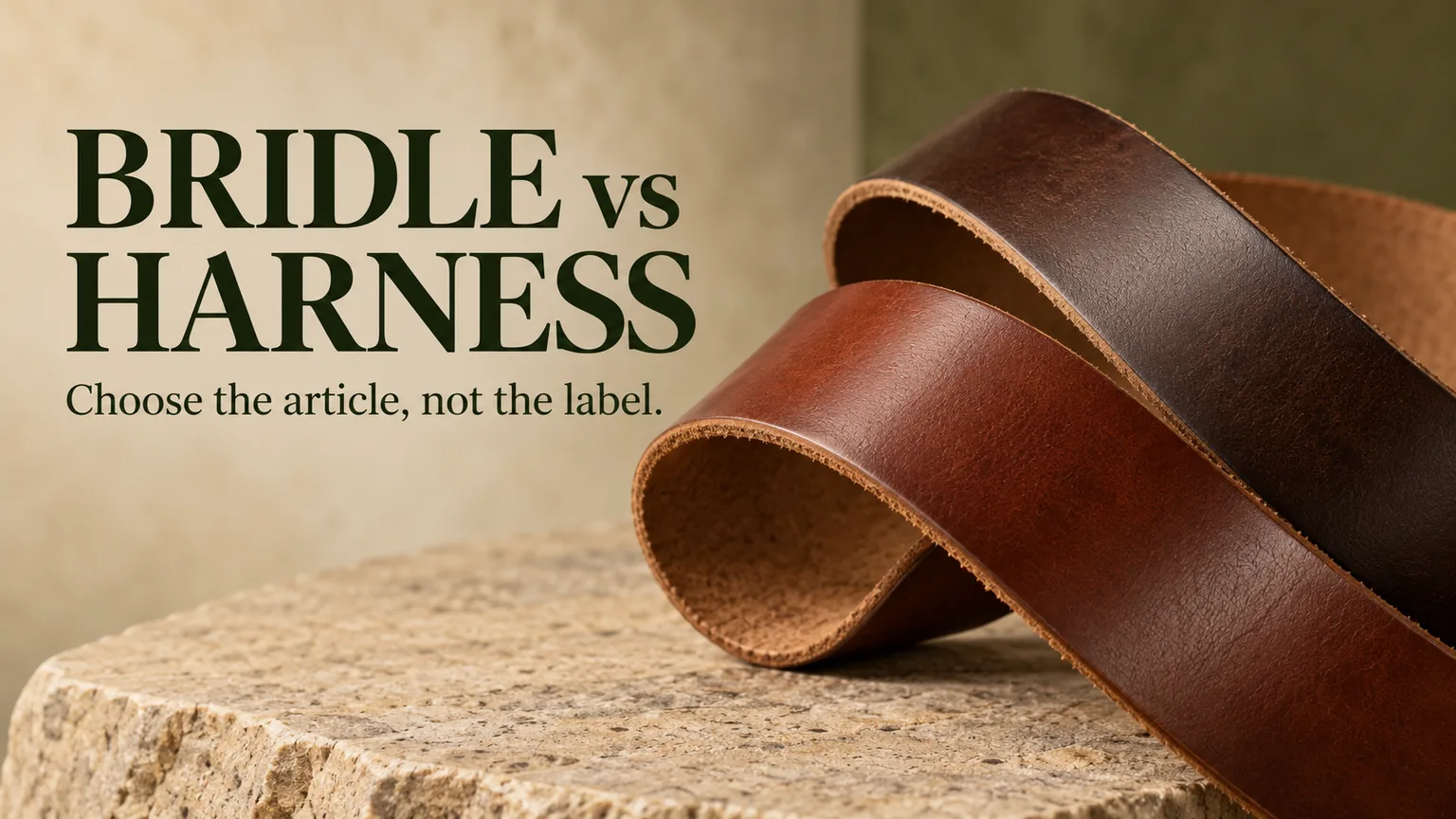
Bridle Leather vs Harness Leather for Belts
Compare bridle and harness leather for belts by tannery article, finish, temper and assembled fit, not material names or assumed strength grades.

Connaissances en fabrication de ceintures pour les acheteurs
Utilisez des conseils pratiques sur la sélection des fournisseurs, les décisions relatives aux produits et aux matériaux, le développement OEM, le contrôle de la fabrication, la conformité, l'emballage et les réassorts.
Compare bridle and harness leather for belts by tannery article, finish, temper and assembled fit, not material names or assumed strength grades.
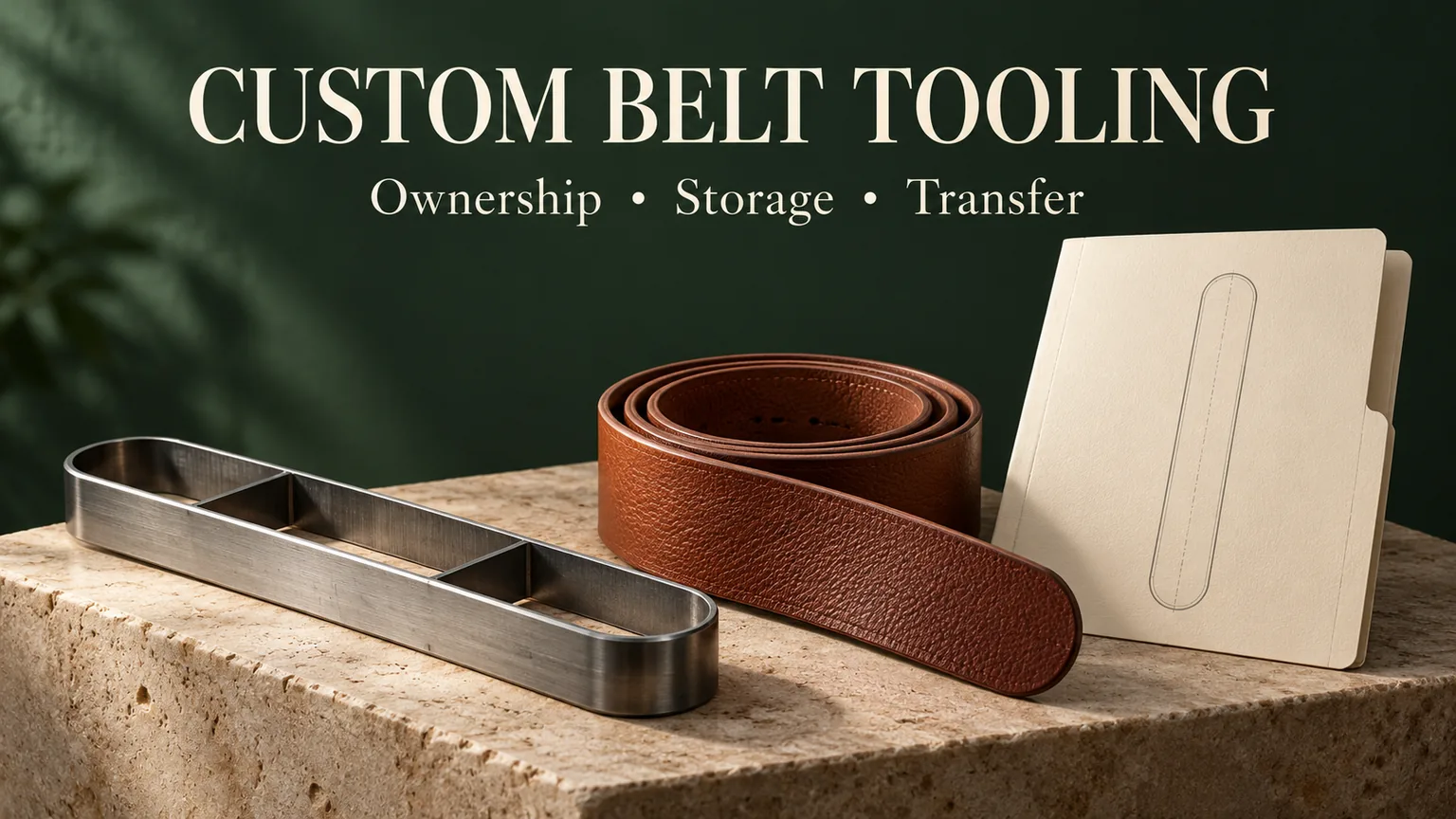
Plan custom belt tooling ownership, storage, maintenance and transfer with a practical asset record and handover guide for finished-belt programs.
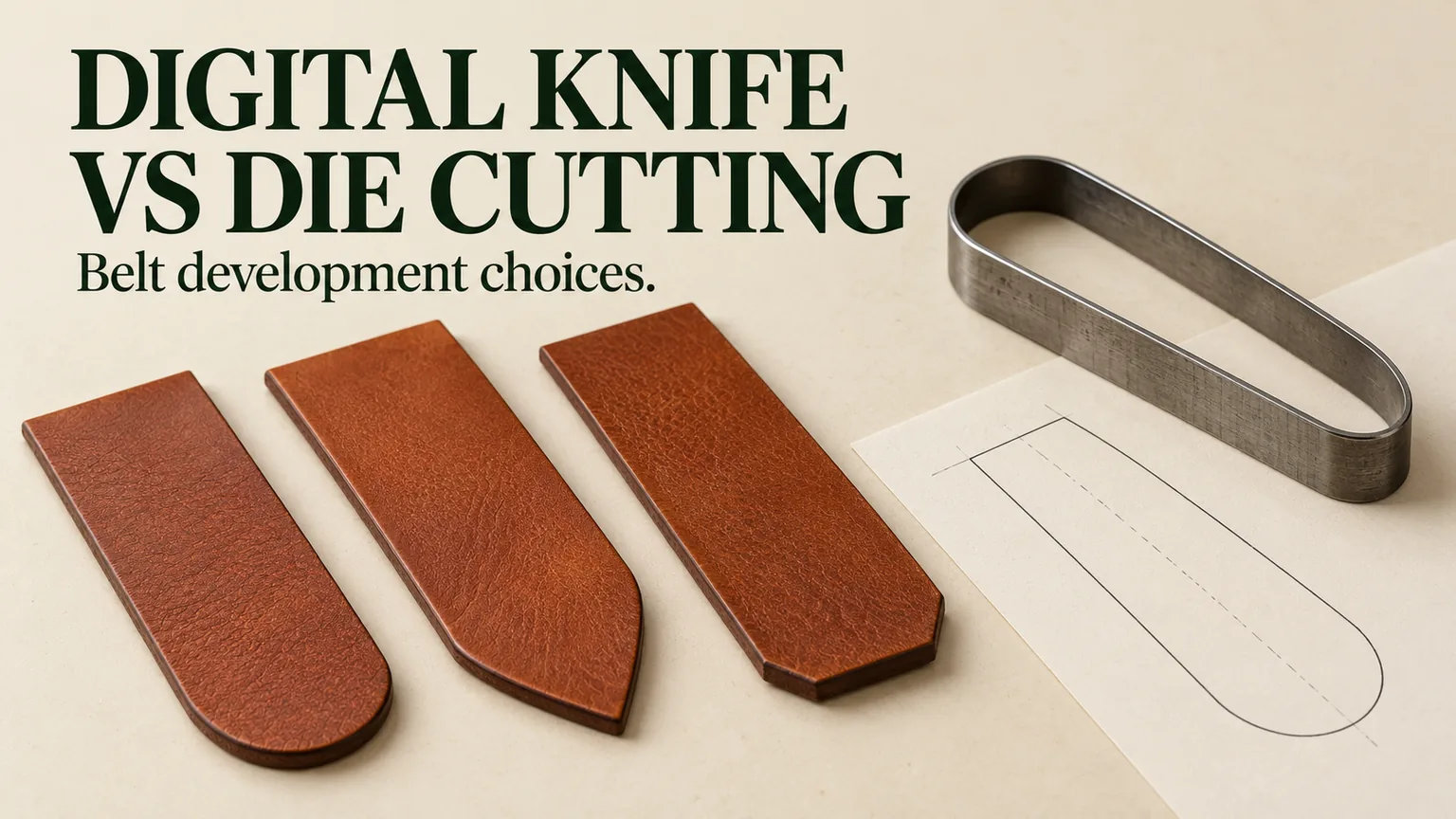
Compare digital knife and die cutting for belt sampling and repeat production: revisions, cut-part quality and costs without invented volume thresholds.
Compare five Spanish leather belt manufacturers using official manufacturing evidence, private-label routes and practical development questions.
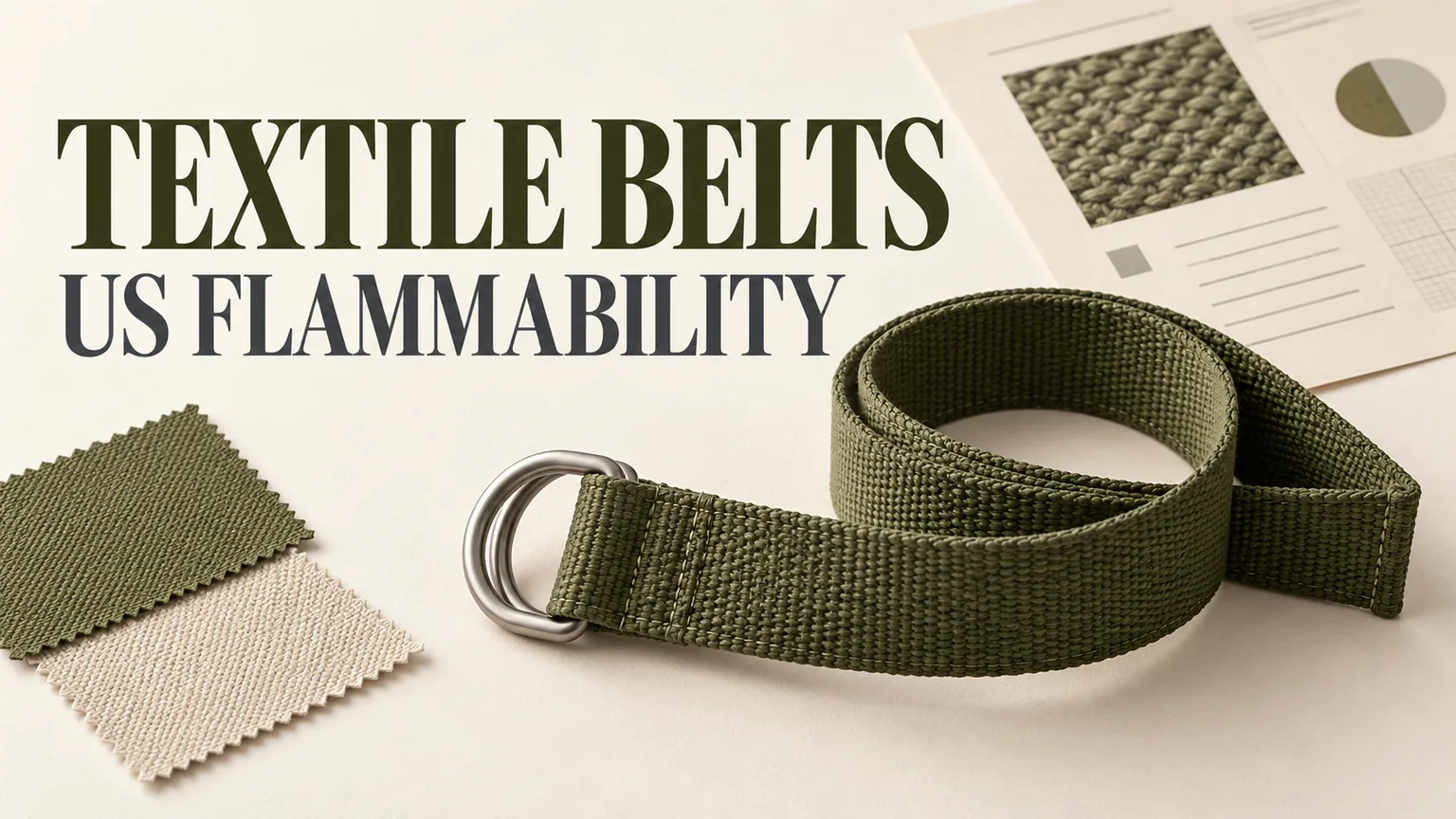
Separate US textile-belt flammability scope, fabric testing exemptions and certification responsibilities before specifying a laboratory test.
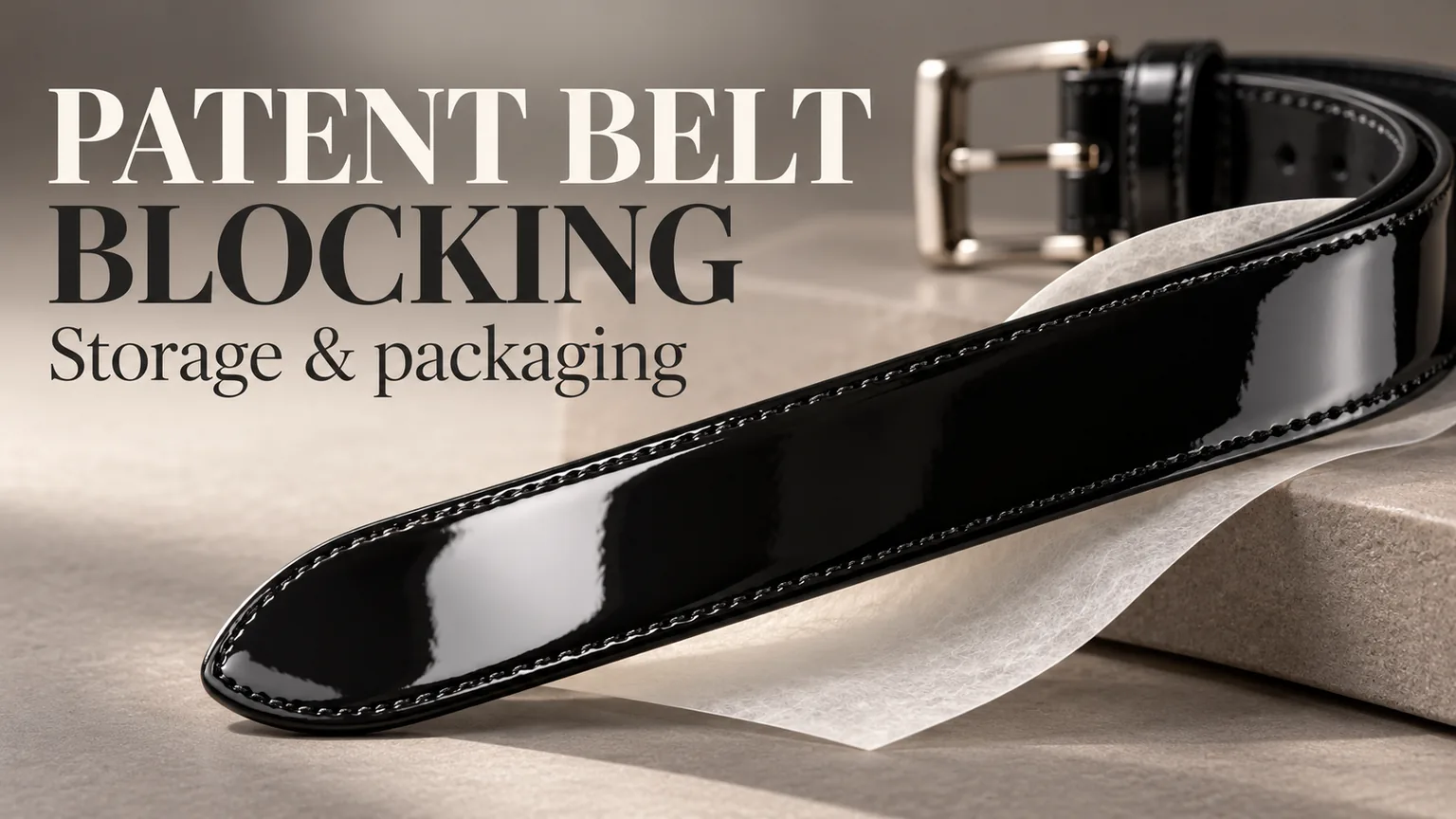
Identify why patent leather belts stick in storage, compare contact materials, and validate packaging without inventing laboratory pass limits.
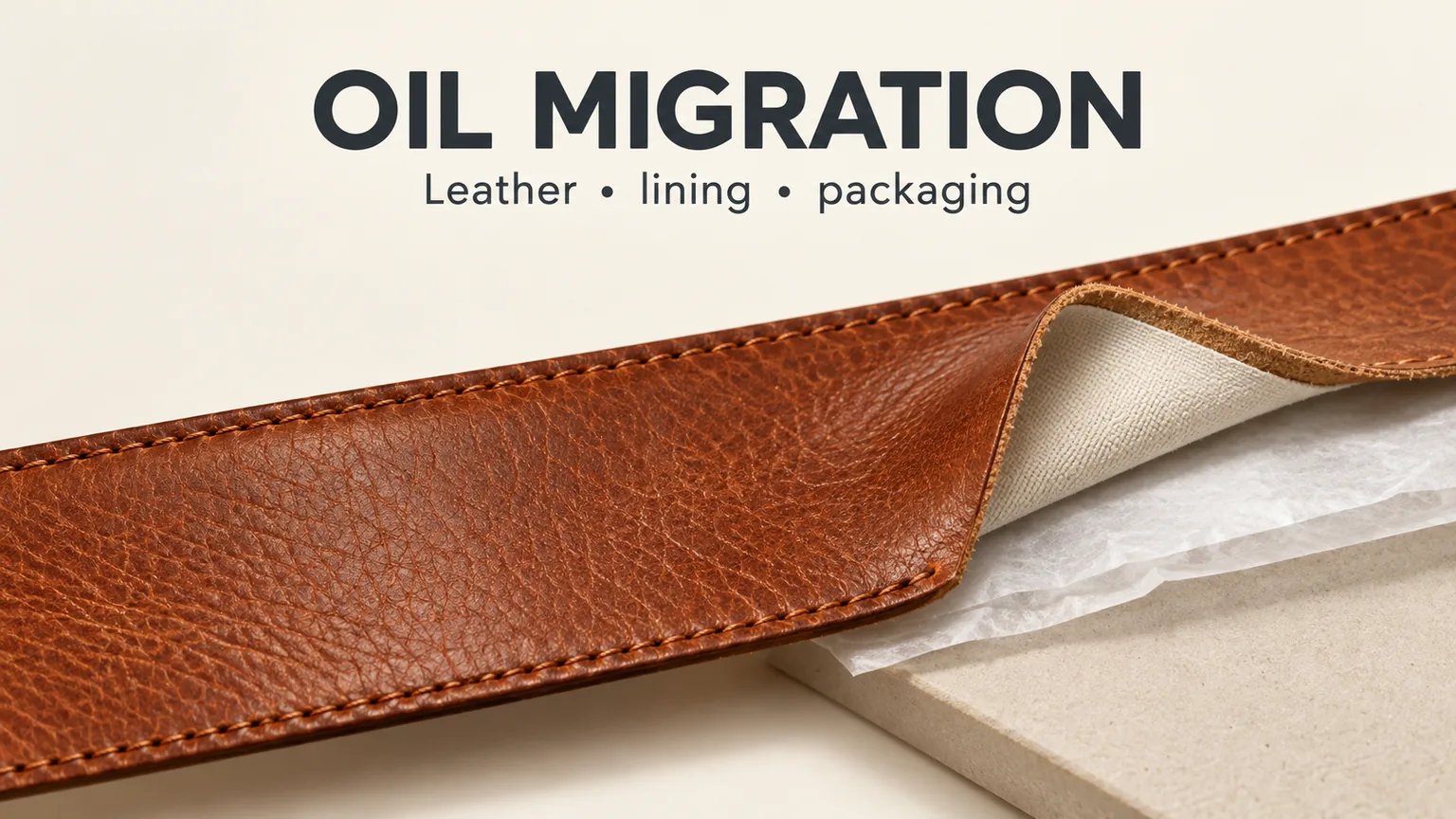
Understand how oils in leather can affect lining, packaging and adhesive bonds, then compare contact materials and sample changes without guessing the cause.
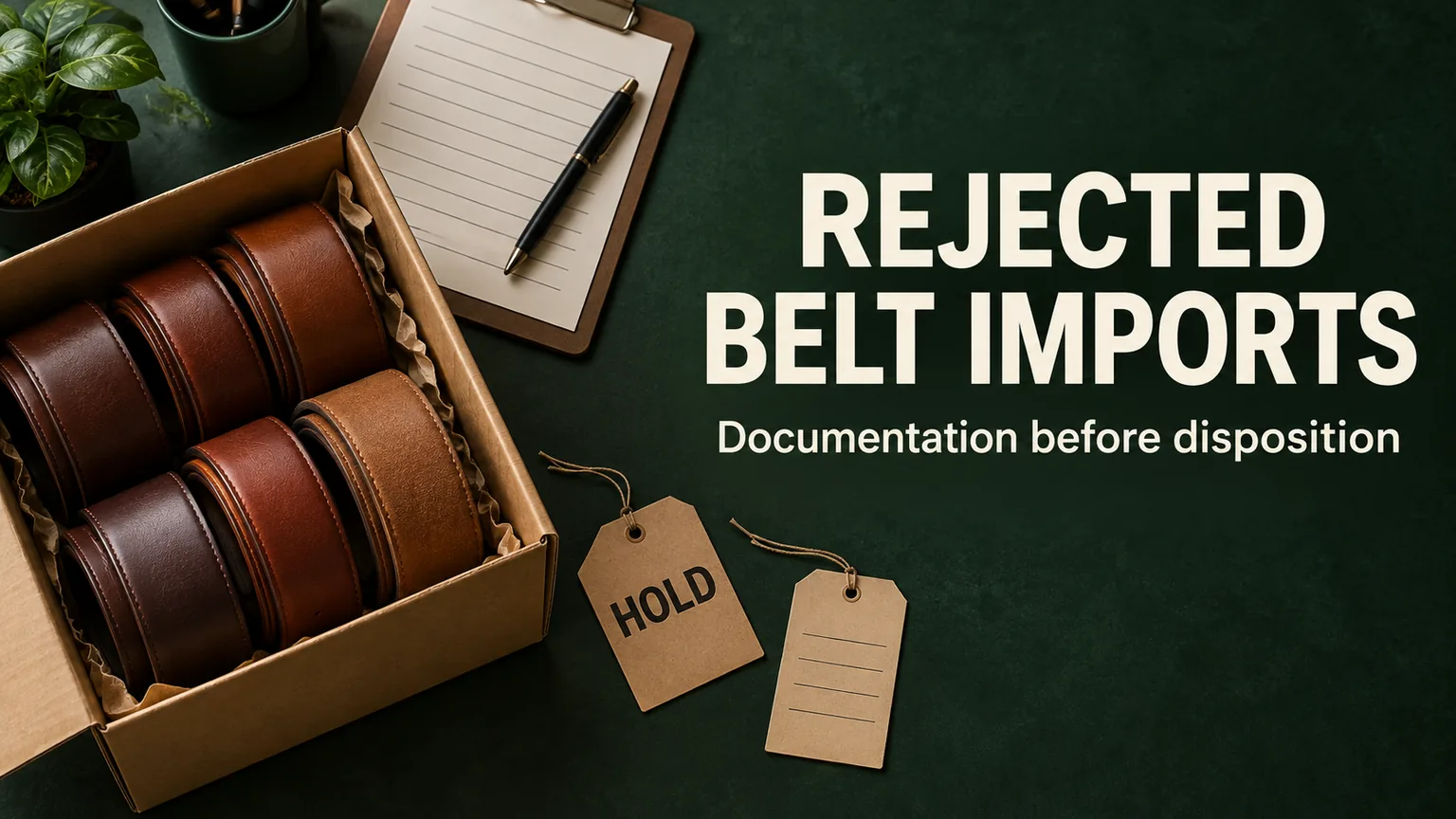
Prepare a rejected-belt import file for US drawback review: connect entry records, defects, inventory and export or destruction steps before moving the goods.
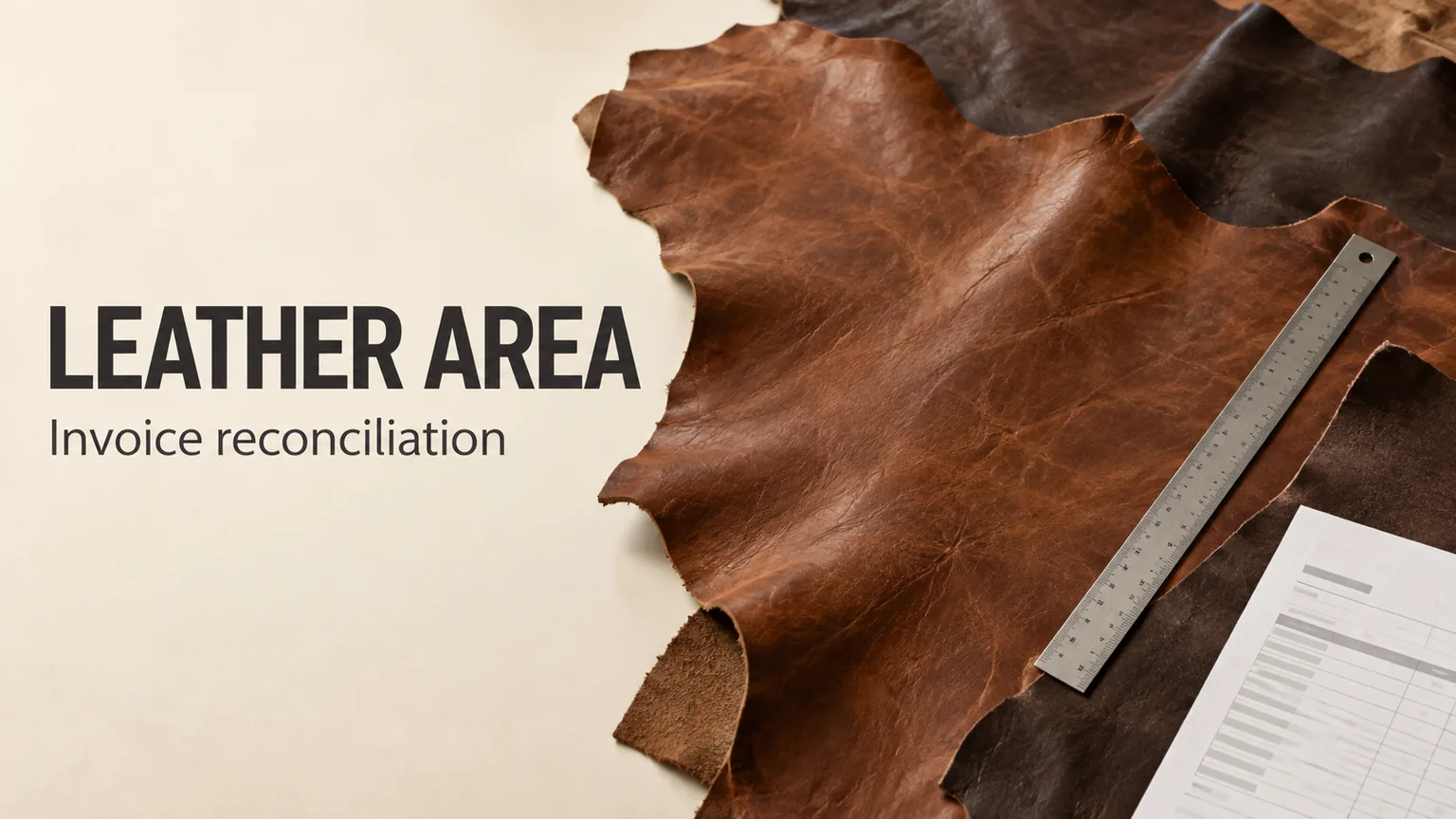
Reconcile leather area on invoices and receiving records: compare the same pieces, units and measurement conditions without confusing area with belt-cutting yield.
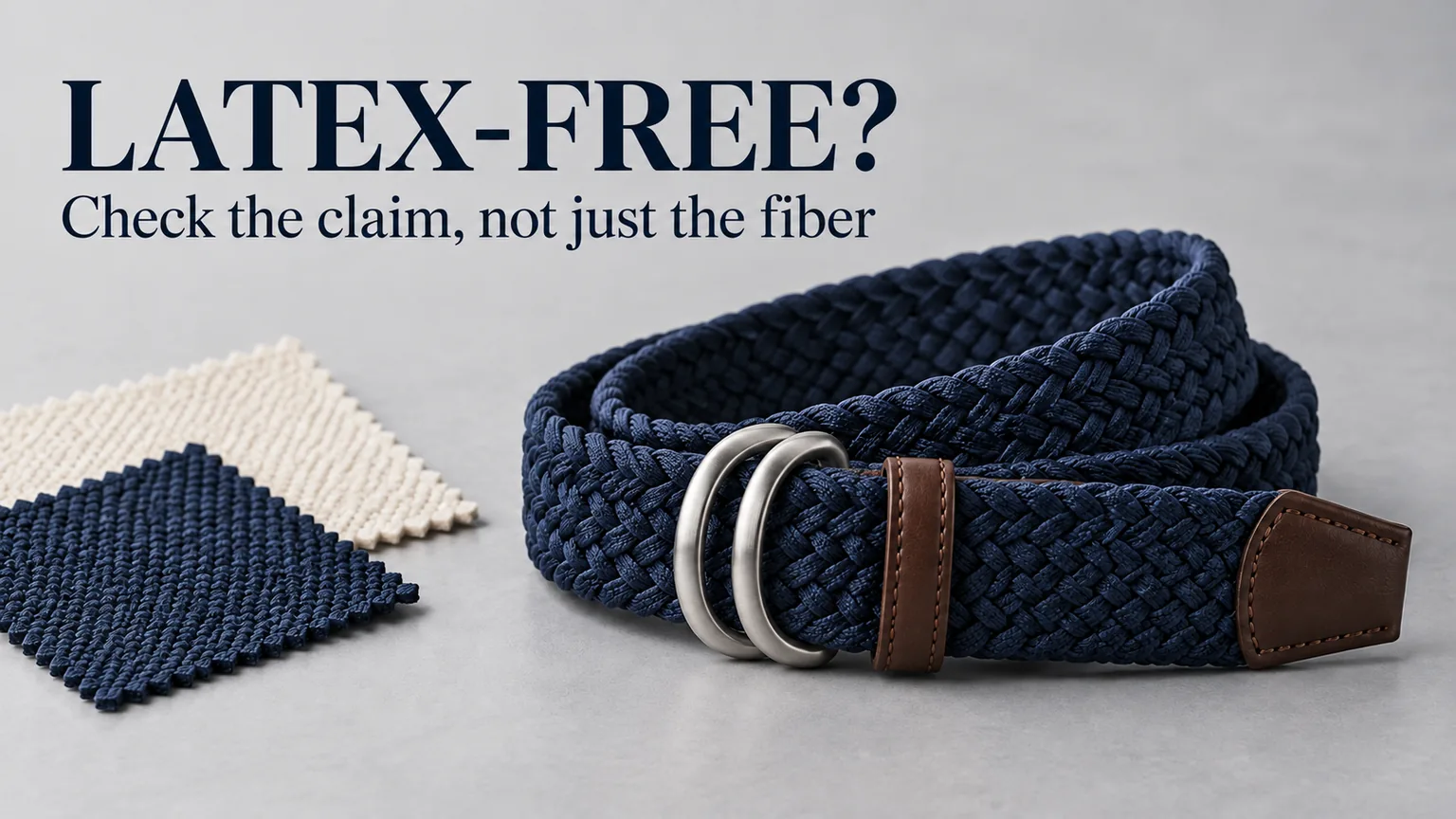
Can an elastic belt be called latex-free? Learn what component declarations and test reports support, and how to avoid an unsupported allergy-safety claim.
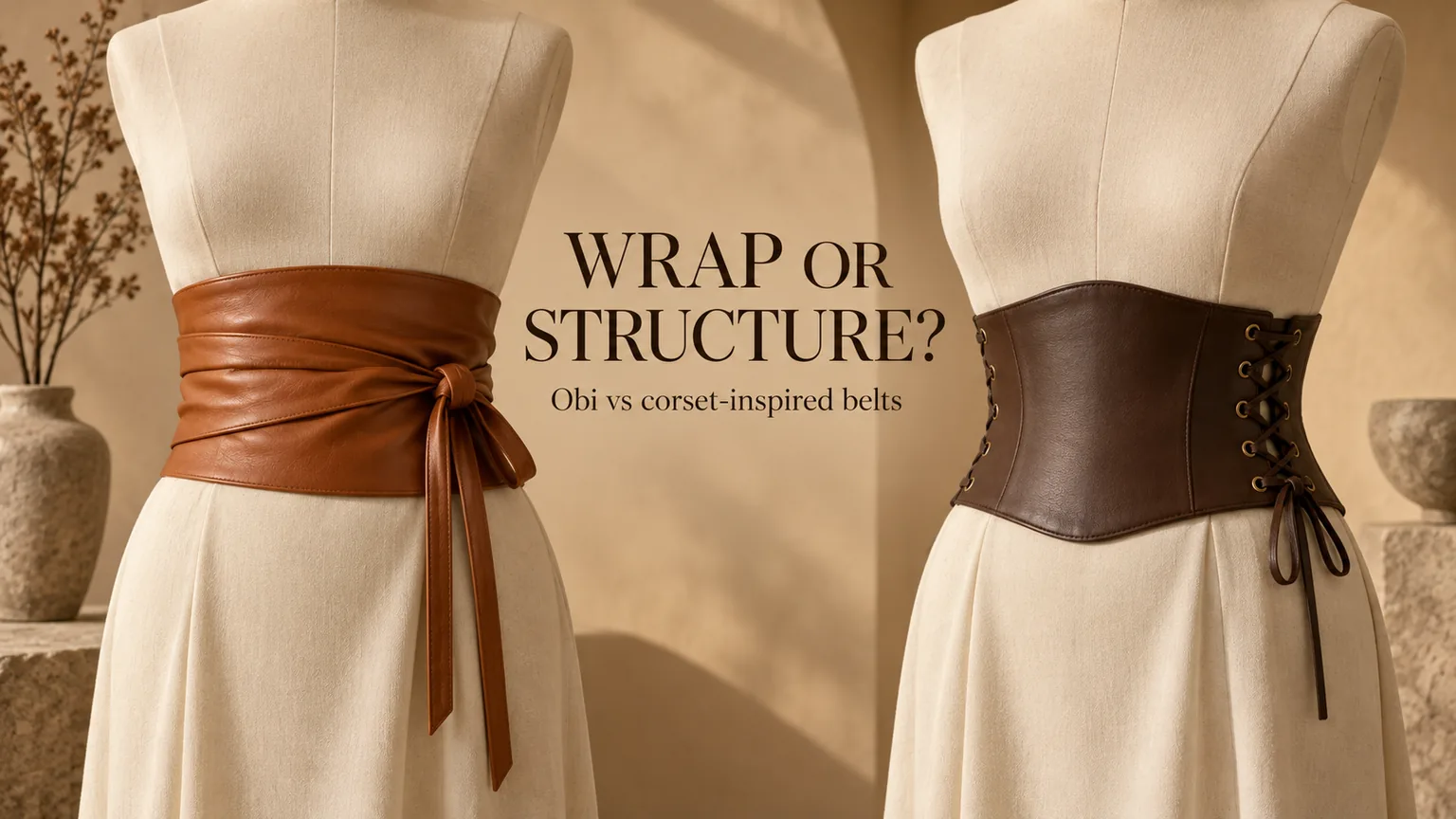
Compare obi wrap and corset-inspired fashion belts by overlap, panel structure, closures and fit to develop a workable sample and size range.
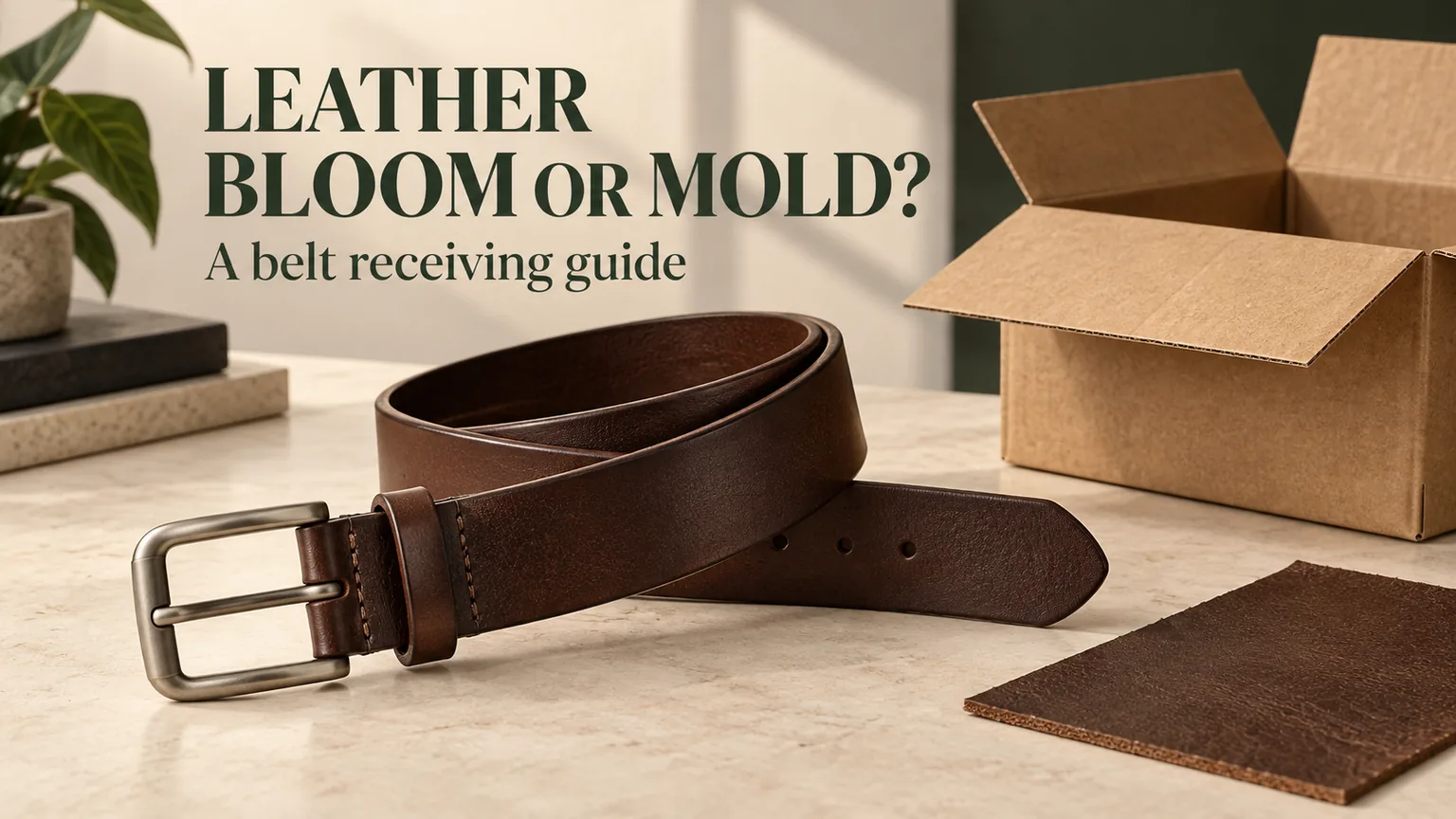
Separate possible leather bloom from suspected mold at receiving, preserve useful evidence, and decide what must be investigated before belt stock is released.
Envoyez ce que vous avez. Un premier examen utile relie votre intention de conception, votre plan commercial et vos exigences en matière de preuves avant que le prix ou le délai ne soient considérés comme définitifs.