
You haven't provided any English text to translate. Please send the content you'd like translated into French.
Centre de connaissances sur les achats B2B
Ressources de sourcing de ceintures pour les marques, les détaillants et les équipes d'achat
Utilisez ces ressources de sourcing de ceintures pour passer de la recherche produit à une demande de prix (RFQ) plus solide, à l'approbation d'échantillons, à l'émission de commande et à un plan de réapprovisionnement. Chaque guide explique la décision d'achat qu'il appuie et les informations de projet encore nécessaires.
- Ressources classées selon la décision de l'acheteur
- Limites des matériaux et des allégations rendues explicites
- Dates des preuves et responsabilité de la revue conservées
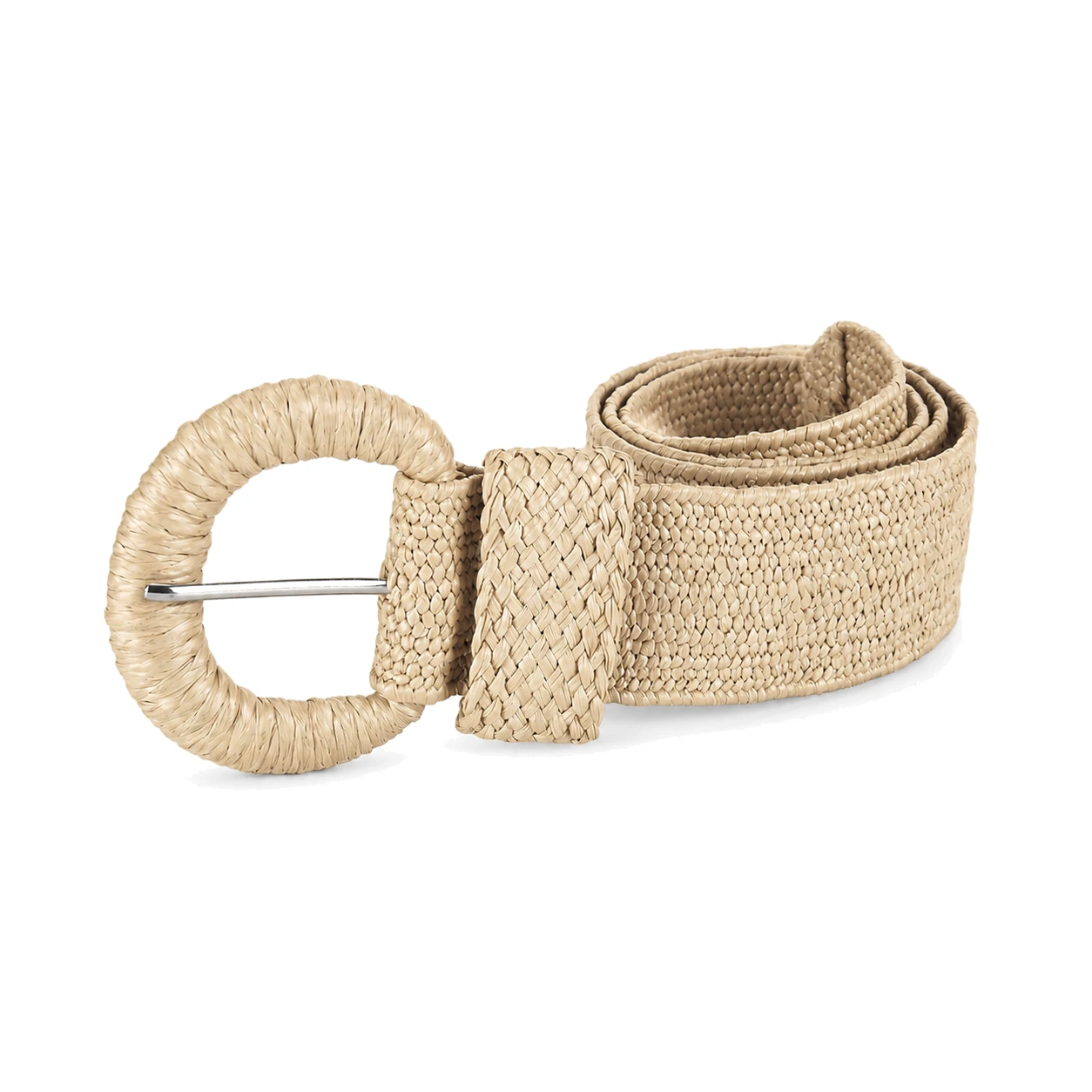
Commencez par l'étape d'achat : Découvrir, Spécifier, Approuver, Commander ou Réapprovisionner
Choisissez la ressource qui répond à votre prochaine décision, que vous soyez en train de découvrir des options, de rédiger une spécification, d'approuver des échantillons, de passer une commande ou de planifier un réapprovisionnement.
Entrée 01
01 Découvrir
Comparez les catégories de produits, les besoins du public, le périmètre de fabrication et les preuves avant de choisir une voie.
Entrée 02
02 Spécifier
Définissez la construction, les matériaux, les dimensions, la quincaillerie, la marque, les tests, l'emballage et la quantité par SKU.
Entrée 03
03 Approuver
Consignez les retours sur les échantillons, figez les références physiques et reliez l'échantillon de référence aux documents écrits.
Entrée 04
04 Commander
Confirmez les matériaux actuels, les conditions commerciales, l'inspection, l'emballage, l'expédition et les points de validation des approbateurs.
Entrée 05
05 Réapprovisionner
Examinez les changements de matériaux, de composants, de méthode, d'exigences et de réglementation avant de réutiliser les approbations.
Entrée 06.
Capacités de fabrication
Cartographiez quelle entité et quel site réalisent les tâches de développement, de finition, de production, d'inspection et d'expédition.
Comparez l'identité des matériaux avant de comparer les noms marketing
Comparez l'identité des matériaux, la construction des couches, la finition et les dossiers disponibles avant de comparer l'apparence ou le prix.
Hub des matériaux de ceinture
Comparez les familles de matériaux et les domaines de preuves sans considérer une étiquette comme universellement supérieure.
Commencez ici pour l’identitéPleine fleur et fleur corrigée
Séparez les termes liés à la surface du grain du tannage, de la finition, de la coupe, de la souplesse et des propriétés du projet.
Examinez les allégations relatives au cuirVégane et PU
Précisez la construction polymère ou enduite, le support, la finition et les preuves des allégations plutôt que d’utiliser « végane » comme l’ensemble de la nomenclature.
Examinez les voies de synthèseCuir reconstitué et cuir refendu
Définissez la construction réelle et le libellé d’allégation autorisé avant de positionner un produit en cuir axé sur la valeur.
Examinez les voies reconstituéesMatériaux durables
Reliez les déclarations « recyclé », « à faible impact » ou « approvisionnement responsable » à des matériaux précis, à des preuves et à une formulation adaptée au marché cible.
Examinez les allégations environnementalesProgrammes axés sur l’audience
Commencez par les parcours homme, femme, enfant ou unisexe lorsque le porteur, la taille et l’architecture de l’assortiment sont déterminants.
Décision : à qui s’adresse la gammeUtilisez les spécifications, les tech packs et les modèles de conception comme fichiers de travail.
Utilisez les modèles pour consigner les exigences confirmées, les choix en suspens et les responsables des approbations, puis ajoutez les dimensions, composants, éléments graphiques et méthodes spécifiques au produit.
Rassembler les informations produit, les matériaux, les dimensions, la quincaillerie, la marque, la quantité, les tests, les conditions commerciales et l’objectif de livraison.
À utiliser avant l’établissement du devisTransformer une planche d’ambiance, un échantillon de référence ou un brief de lacune en concepts maîtrisés et en décisions d’échantillonnage.
À utiliser avant le gel des spécificationsDéfinir le point de référence de mesure, la longueur finie, la plage utilisable, la gradation et la communication des tailles destinée à l’acheteur.
À utiliser avant l’approbation des taillesContrôler les éléments graphiques, les droits de marque, les étiquettes, l’emballage, l’outillage et les dossiers d’UGS commercialisables.
À utiliser avant l’approbation de la marqueLa construction, les matériaux, la quincaillerie, la marque et le conditionnement déterminent la base des coûts et du développement.
Résultat : périmètre comparableLa quantité par style, couleur et taille révèle la fragmentation des matériaux et des composants.
Sortie : économie des SKUUtilisez les guides qualité pour prévenir les défauts propres à chaque catégorie
Utilisez les guides qualité pour relier les risques de défaillance propres au produit aux enregistrements de prévention, d'inspection, d'essai et de libération.
Entrée incorrecte
Utilisez les enregistrements d'identité et de lot à réception pour les matériaux, la quincaillerie, les étiquettes et l'emballage. Guide : contrôle qualité
Dérive de construction
Vérifiez les dimensions critiques, l'empilement des couches, les coutures, les bords, les trous, les pistes et les fixations pendant la production. Guide : page produit
Défaillance fonctionnelle
Utilisez le produit fini exact et les interfaces pertinentes pour les méthodes et limites du projet. Guide : échantillonnage et qualité
Non-concordance d'aspect
Conservez les étalons physiques de couleur, de texture, de bord et de quincaillerie avec les règles d'observation et de variation. Guide : matériau et produit
Erreur de pack ou de SKU
Inspecter la taille, les étiquettes, le code-barres, l’unité de vente au détail et l’assortiment du carton avant la libération. Guide : contrôle qualité
Séparer les exigences de conformité, d’allégations, de matériel et d’étiquetage.
Définir le marché cible, l’allégation, le périmètre des composants, la méthode, la partie responsable et le document requis avant de demander une réponse de conformité.
Libellé exact, produit ou composant, marché visé et preuves nécessaires pour l’étayer.
Commencer par ce qui sera ditRôle de l’acheteur, de l’importateur, du fabricant, du fournisseur, du laboratoire ou du conseiller pour chaque tâche et décision.
Identifier qui confirmeTitulaire, site, périmètre, date, méthode, limite, source de l’échantillon et lien vers le lot ou la commande.
Identifier ce qui prouve quoiComposition, origine, taille, entretien, avertissements, code-barres et langue du marché cible approuvés pour l’unité vendable.
Relier le produit à l’exécution en magasinRelier la planification des tailles, de l’assortiment, des stocks et des réapprovisionnements
Maintenir les données de taille, couleur, matière, boucle, étiquette et emballage liées au niveau de l’UGS, de la planification de l’assortiment jusqu’aux commandes de réassort.
Focus sur la première commande
Construire la structure de mesure, d’UGS, de matériaux, de composants, d’approbation et de conditionnement.
Focus sur les réapprovisionnements
Détecter les changements et confirmer si les références conservées restent valides pour les entrées actuelles.
Vérifiez les normes éditoriales, les auteurs et les dates des preuves
Vérifiez qui a rédigé et révisé les recommandations, quelles sources les étayent et quand les affirmations à risque élevé doivent être mises à jour.
01Équipe éditorialeVérifier la paternité
Voir la responsabilité, les rôles de révision, la priorité des preuves et la politique de correction.
02Dernière révisionVérifier la fraîcheur
Utilisez la date de révision visible avec les dates des sources et leur portée, plutôt que de considérer la date de publication comme une preuve actuelle.
03Portée des sourcesExaminer l’applicabilité
Vérifier si une source étaye l’entité, le site, le matériau, le composant, le produit, le marché et l’allégation exacts.
04Voie de correctionExaminer la responsabilité
Envoyer la page, la déclaration contestée et les preuves à l’appui séparément d’une demande commerciale.
Trouver le bon Sourcing de ceintures Ressource plus rapide
Ces réponses vous aident à choisir et à appliquer la ressource qui correspond à votre décision d’approvisionnement actuelle, sans considérer les conseils généraux comme une approbation de projet.
Transformez votre recherche en un brief d’approvisionnement clair
Partagez votre étape d’approvisionnement actuelle et la décision que vous devez prendre. HongDing peut vous orienter vers la ressource la plus pertinente en matière de produit, de spécification, d’approbation ou de preuves.