
You haven't provided any English text to translate. Please send the content you'd like translated into French.
Développement et contrôle des collections saisonnières
Fabrication de ceintures pour marques de mode et collections saisonnières
Le développement de ceintures de mode commence par la transformation de l’idée de collection en matériaux, construction, couleurs, quincaillerie, image de marque, tailles et emballage clairs. HongDing accompagne ce processus, de la revue des échantillons à un dossier de production et de réassort approuvé.
- Les références de mode deviennent des spécifications mesurables
- La couleur et la finition sont approuvées sur support physique
- La MOQ, l’échantillonnage et le calendrier restent propres à chaque projet
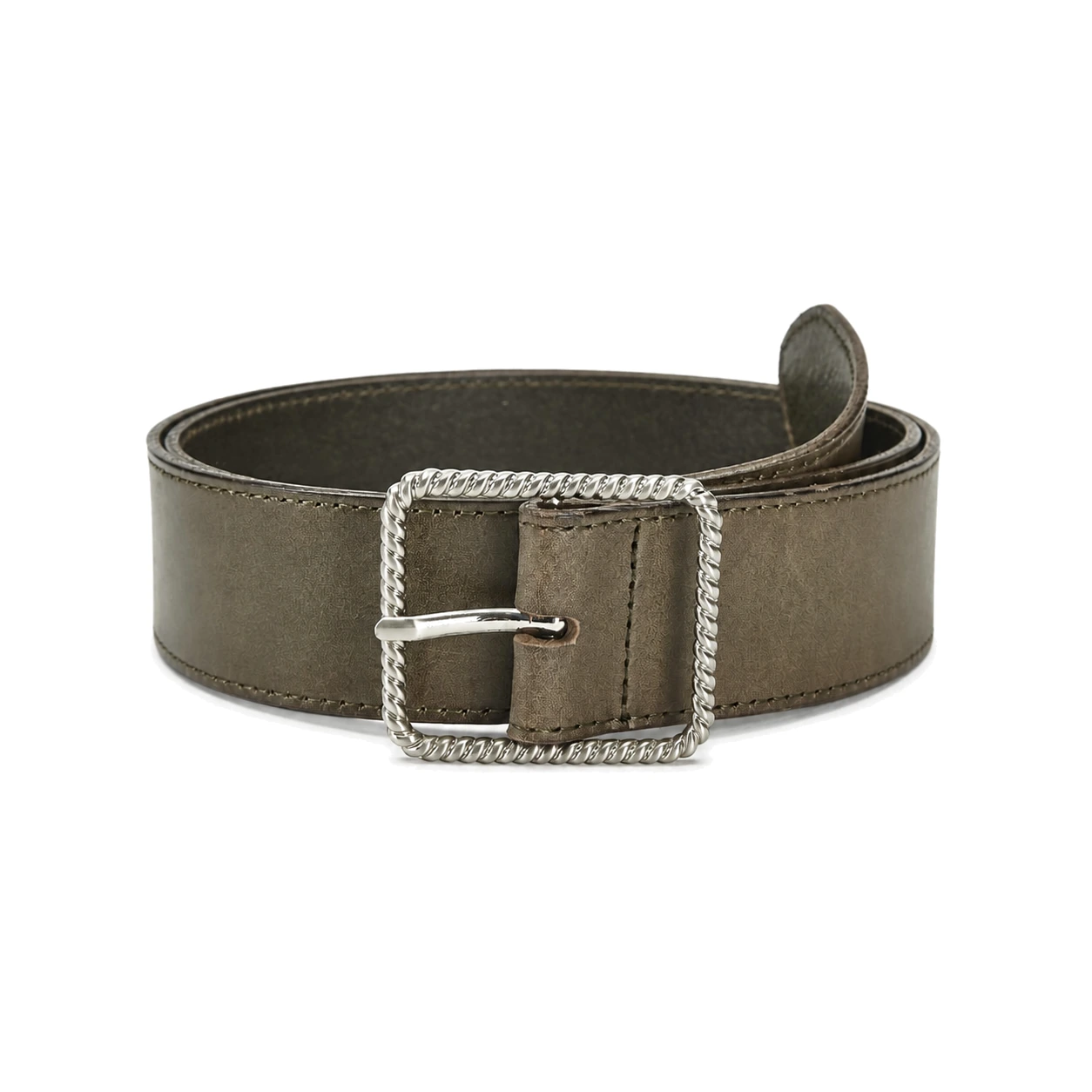
Transformer l’intention de mode en livrables maîtrisés et fabricables
Un processus de développement utile transforme chaque décision créative en un dessin, une spécification, un échantillon physique ou une référence approuvée pouvant être utilisés en production en série.
Entrée 01
Architecture de collection
Cartographier les familles de styles, le rôle du vêtement, la largeur, les gammes de couleurs, la stratégie de tailles, les marchés cibles, le drop ou le groupe de livraison et la priorité commerciale.
Entrée 02
Définition produit
Spécifier les dimensions, les couches de construction, l’article matière, la révision de la quincaillerie, le bord, la couture, les trous ou le mécanisme et l’acceptation fonctionnelle.
Entrée 03
Étalons d’aspect physique
Approuver la sangle, le fil, le métal, l’impression et l’emballage sur leurs propres supports dans des conditions d’observation convenues.
Entrée 04
Contrôle des actifs de marque
Consigner le propriétaire des visuels, l’utilisation autorisée, la révision, la méthode d’apposition du logo, le placement, la taille, l’outillage, les étiquettes, le texte et l’approbateur final.
Entrée 05
Droits et propriété
Énoncer les conditions de propriété ou de licence pour les tech packs, les créations originales, les moules, les matrices, les plaques, les fichiers graphiques et les éléments tiers avant toute dépense de développement.
Entrée 06.
Transfert confidentiel
Nommer les destinataires, l’accès, les règles de révision, le devenir des échantillons et toute condition de NDA ou de diffusion qui s’applique aux fichiers de collection.
Maintenir l’intention de mode connectée au produit approuvé
Maintenir connectés la direction de collection, l’échantillon approuvé, les références matières et les exigences d’inspection de production en série à mesure que le style évolue.
Enregistrement 01Cohérence de la collection
Relier chaque style à une largeur, une construction, un matériau, une couleur et une famille de quincaillerie nommés tout en préservant des différences délibérées.
Enregistrement 02Proportion au port
Définir la longueur finie, la largeur, la queue, la plage de trous ou de réglage, l’échelle de la boucle et le contexte prévu de taille, de hanches ou de passants de vêtement.
Enregistrement 03Alignement des couleurs et des finitions
Approuver des références distinctes de sangle, fil, composant, impression et emballage, ainsi que la tolérance et la méthode d’examen lorsque requis.
Enregistrement 04Performances de la surface et de la construction
Sélectionner les méthodes du projet pour la flexion, le frottement, l’adhérence, la fonction ou d’autres risques pertinents sur le matériau exact ou la ceinture finie.
Enregistrement 05Expression de marque autorisée
Contrôler la révision du fichier, la méthode du logo, la position, l’échelle, la couleur ou la profondeur, les étiquettes, le texte et l’état de l’outil avec un approbateur nommé.
Enregistrement 06Continuité de l’échantillon à la production en série
Comparer la matière, les mesures, les composants, l’apparence, la qualité de fabrication, la fonction, l’image de marque et l’emballage à l’échantillon et à la spécification de référence.
Rédiger la ceinture comme une spécification de production, pas une ambiance
Traduire la planche d’ambiance en une spécification qui indique à l’atelier d’échantillons quoi fabriquer, quelles références physiques suivre et quand renvoyer une question à l’acheteur.
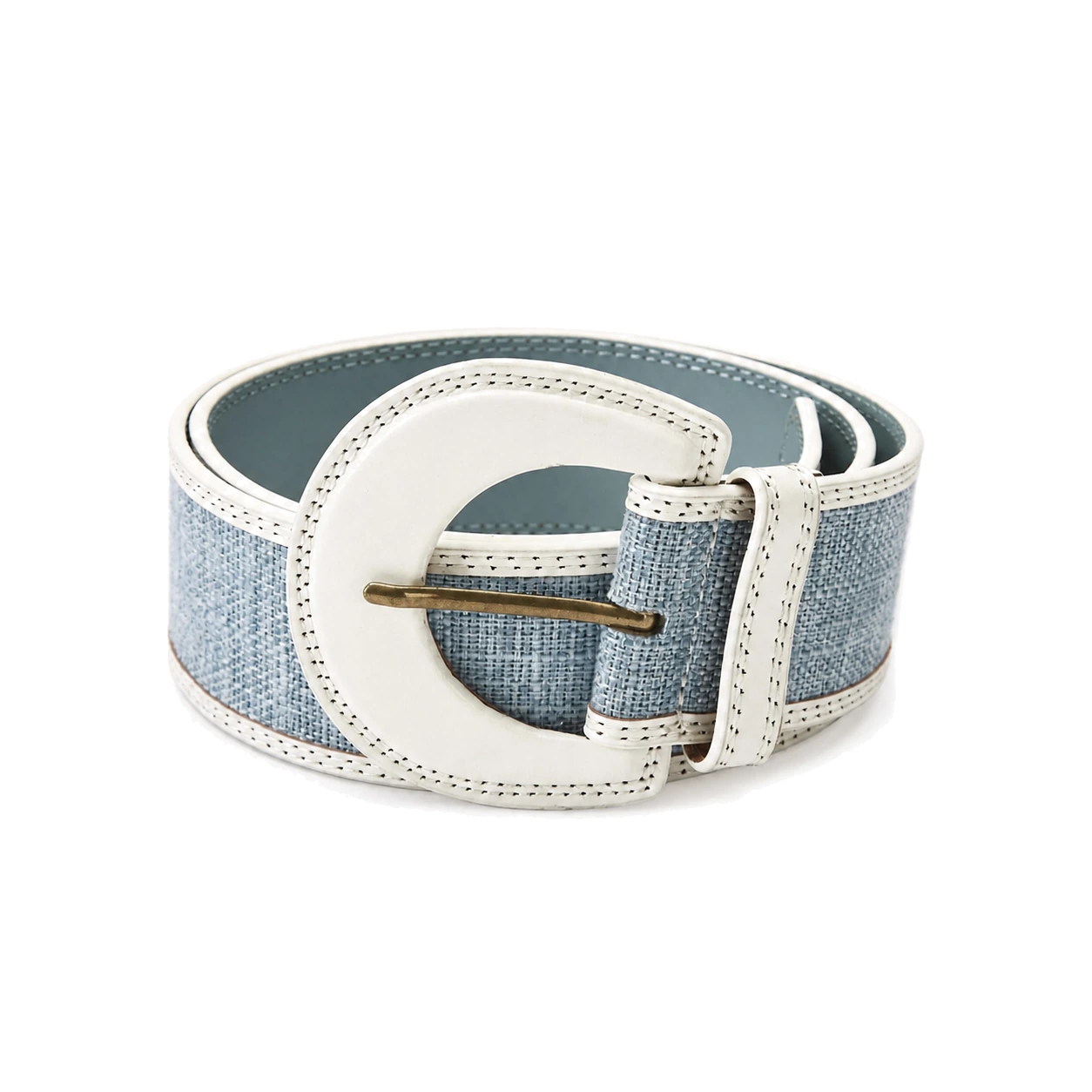
Silhouette et ajustement
Indiquer la largeur, la base de longueur finie, la queue, les positions des trous ou la plage du mécanisme, les dimensions de la boucle, le placement sur le vêtement et la gradation des tailles.
Incomplet : photo de référence sans échelleConstruction matière complète
Nommer la face, le support, le renfort, la doublure, le bord, le fil, le fournisseur et l'article, la composition ou la description du cuir et les points d'épaisseur.
Incomplet : cuir, végan ou durable uniquementQuincaillerie et fixation
Identifier la boucle et les composants, le matériau de base le cas échéant, la finition, la géométrie, la fixation, les surfaces de contact, le logo et la révision en vigueur.
Incomplet : boucle dorée similaireÉtalons d'aspect
Attribuer des cibles physiques pour chaque substrat et définir les règles d'observation, de tolérance et de réapprobation pour la sangle, le fil, le métal, l'impression et l'emballage.
Incomplet : un seul échantillon à l'écran pour toutes les piècesConserver chaque détail de marque privée sur le produit approuvé
Maintenir l'alignement de la ceinture, des maquettes approuvées, des étiquettes, des données SKU et de l'emballage afin que le produit en marque privée arrive sur le marché comme prévu.
Entrée 01
Révision et autorisation du logo
Consigner le propriétaire de la marque ou la partie donneuse d’instructions autorisée, le fichier contrôlé, le produit et le marché autorisés, la méthode, les dimensions, la position et l’approbateur.
Entrée 02
État des outils, moules et plaques
Identifier l’outil nouveau ou existant, le propriétaire du design, le payeur, l’utilisation autorisée, les conditions de stockage, de maintenance, de récupération ou d’élimination, et la révision.
Entrée 03
Exécution physique de la marque
Approuver le gaufrage, la gravure, la plaque, l’impression, le foil, l’étiquette tissée ou une autre méthode sur la surface exacte, avec des contrôles d’aspect et d’usure pertinents.
Entrée 04
Étiquettes, étiquettes suspendues et allégations
Contrôler le libellé du matériau, l’entretien, l’origine, les qualifications des allégations, la taille, le code article, les données de code-barres et la langue selon les exigences du marché cible.
Entrée 05
Correspondance produit-emballage
Relier le style, la couleur, la taille, la matière, la quincaillerie et la révision de marque à l’emballage individuel, à l’ensemble, au code-barres, au pack de caisse et à l’assortiment de cartons.
Entrée 06.
Contrôle des modifications
Lister les changements de matériau, de composant, de couleur, de finition, de logo, d'étiquette ou de packaging qui nécessitent une nouvelle épreuve, un nouvel échantillon, un nouveau test ou une revue de copie.
Évaluer le support de développement à travers les fichiers qu'il produit
Juger le support de développement à la qualité des échantillons, des spécifications et des décisions qu'il produit, et non à des affirmations générales sur la vitesse ou l'ampleur.
Entrée 01
Avant le devis
Demander la liste des hypothèses, la définition de l'UGS, les décisions techniques en suspens, les dépendances liées à l'outillage et aux tests, les exclusions et l'unité commerciale de revue.
Entrée 02
Pendant le développement
Demander les notes de révision des échantillons, les références physiques de couleur et de finition, les dérogations approuvées et un journal consolidé des décisions de l'acheteur.
Entrée 03
Avant la production en série
Demander l'index faisant autorité des échantillons et des spécifications, la nomenclature approuvée, les révisions de marque et de packaging, la liste des méthodes et les responsables de la libération.
Entrée 04
Lors de l'inspection et de la libération
Demander les contrôles spécifiques à la commande, le rapprochement des UGS et des cartons, les exceptions, la disposition et les preuves exigées par le contrat d'achat.
Entrée 05
Pour le réapprovisionnement
Demander le statut des références conservées, la disponibilité des composants, les modifications proposées, les preuves actuelles et une confirmation commerciale et calendaire actualisée.
Faire suivre une révision du brief jusqu’au réassort
Transmettre les révisions approuvées des matériaux, de la construction, des couleurs, de la quincaillerie, de l’image de marque et du packaging du premier brief à la production en série et aux réassorts.
Bref
Consigner l’audience, le marché, le contexte du vêtement, l’architecture de la collection, la matrice des SKU, la répartition des quantités, les fichiers, les allégations et l’objectif commercial.
Étape 01 : décisions ouvertes nomméesFaisabilité
Examiner la construction, les matériaux, la quincaillerie, l’outillage, les droits, les tests, le packaging, la disponibilité des composants et les alternatives pratiques.
Étape 02 : voie technique acceptéeDevis
Codifier la base exacte des SKU, les hypothèses, les échantillons, l’outillage, les tests, le packaging, le paiement, le terme de livraison, les exclusions et les déclencheurs de changement.
Étape 03 : périmètre commercial comparableDéveloppement
Créer et réviser des échantillons physiques par rapport au brief accepté, en consignant les décisions, les écarts et les points non résolus.
Étape 04 : historique des échantillons examinableApprobation de référence
Figer les mesures, la nomenclature (BOM), l’apparence, la fonction, la marque, les étiquettes et le packaging dans l’échantillon de référence et l’index des documents.
Étape 05 : base de référence de productionContrôle de la production en série
Utiliser la base de référence pour les matières entrantes, l’assemblage en cours de fabrication, les contrôles du produit fini et le traitement des exceptions approuvées.
Étape 06 : enregistrement de production traçableVérifier les preuves avant la libération de la production
Avant la production, examinez les spécifications en vigueur, les approbations d’échantillons, les références matières, les fichiers graphiques et les exigences de test ou d’inspection.
Mesures actuelles, couches, articles, composants, accessoires, tolérances, alternatives approuvées et responsabilité des révisions.
Réponses : ce qu’est le produit en vracÉchantillon de référence, références de couleur et de finition, support, identifiant, date d’approbation, approbateur et condition de stockage ou de comparaison.
Réponses : quelle référence d’aspect s’appliqueAutorisation, utilisation autorisée, révision du logo, méthode, dimensions, position, état de l’outillage, étiquettes et texte de vente au détail approuvé.
Réponses : quels éléments de marque peuvent être utilisésRisque nommé du produit ou du matériau, spécimen, périmètre de marché, méthode et édition, limite convenue, résultat et qualification nécessaire.
Réponses : ce qui a été évalué et commentCommande, échantillon d’UGS, caractéristiques vérifiées, plan d’acceptation, résultats, défauts ou écarts, décision et autorité de libération.
Réponses : pourquoi cette commande a été libéréeCorrespondance UGS-code-barres, étiquettes, pack par carton, assortiment, cartons, liste de colisage et révision actuelle de l’association produit-pack.
Réponses : comment l’article correct est identifiéQuestions sur la collection de mode avant l’échantillon et Libération de la production
Ces réponses couvrent les briefs de collection, la planification des UGS, l’approbation des couleurs et des matières, la quincaillerie personnalisée, la propriété, le contrôle de la production en série et les réassorts.
Transformez votre prochaine orientation de ceinture de mode en une collection approuvée
Envoyez le plan de collection, les références de style, le marché cible, l'orientation matériaux et quincaillerie, les couleurs, la plage de tailles, les visuels et la quantité par SKU. HongDing peut mettre en évidence les décisions manquantes et proposer les prochaines étapes de développement.