
You haven't provided any English text to translate. Please send the content you'd like translated into French.
Programmes de vêtements de travail et de soutien à l’équipement
Fabricant de ceintures de travail et résistantes pour programmes industriels
HongDing développe des ceintures de travail pour des programmes définis de vêtements de travail, d’uniformes et de soutien à l’équipement. Le cahier des charges couvre l’usage prévu, la construction de la sangle, la rigidité, la fixation de la boucle, les trous et l’ajustement des accessoires. Ces produits ne sont pas des EPI, des équipements de protection contre les chutes ou de sécurité vitale.
- Planification des essais sur assemblage complet
- Matériaux et conditions commerciales revus par projet
- Périmètre explicite des allégations non-EPI
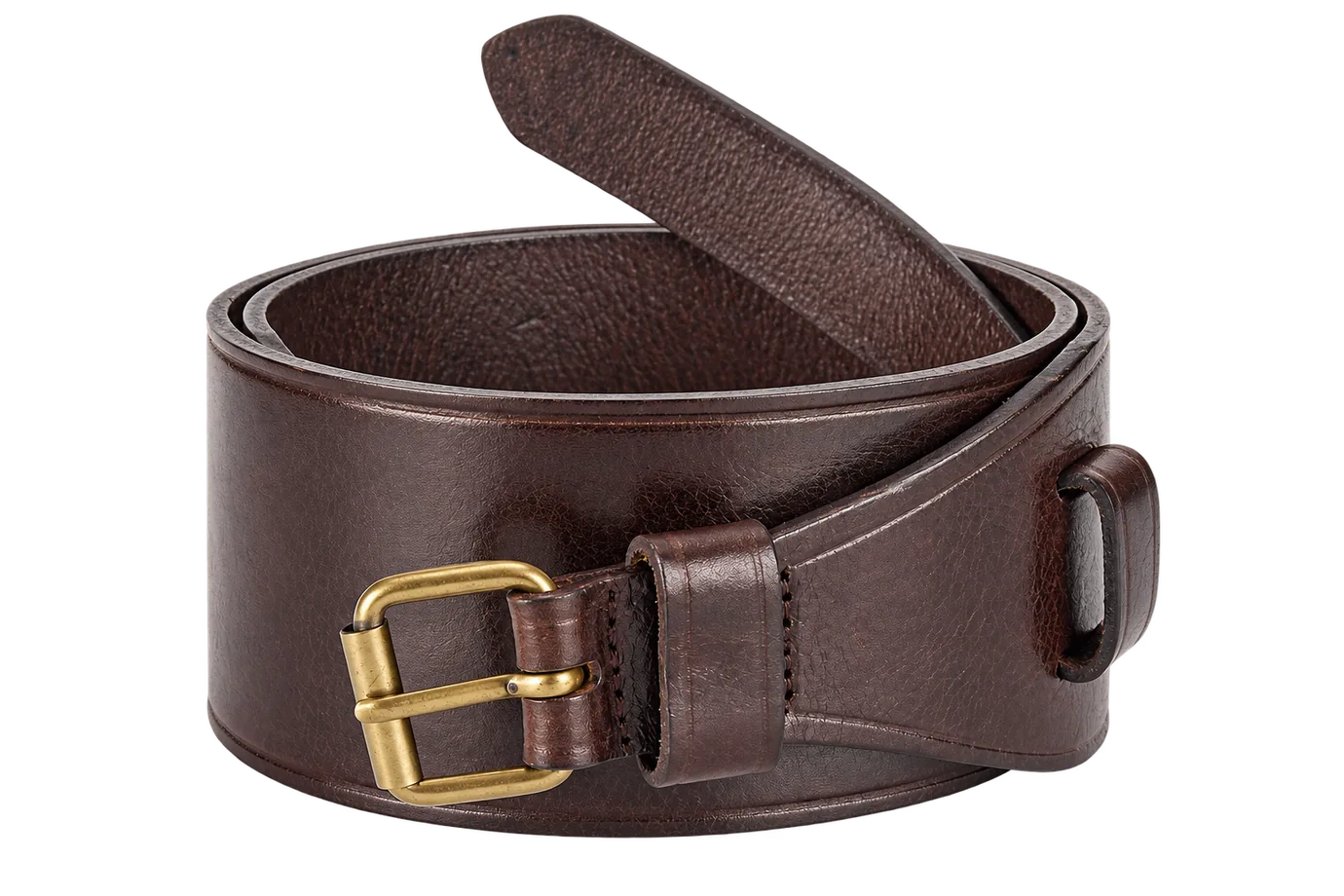
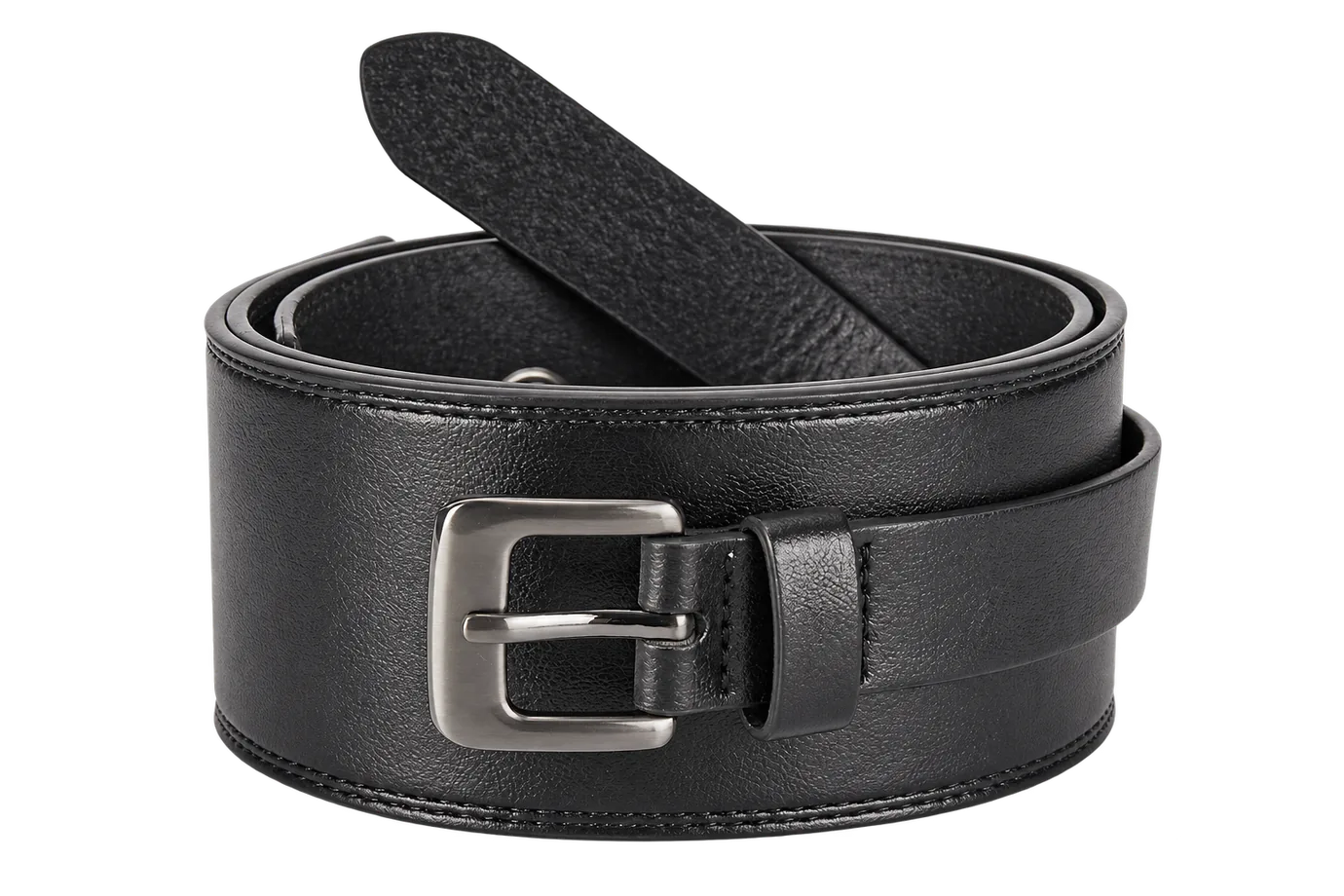
Huit options de ceintures de travail pour des cas d’utilisation définis
Ces directives couvrent les styles en cuir, pour uniforme, en sangle, à double ardillon et compatibles avec accessoires. Les contrôles de construction et de performance doivent correspondre à l’usage désigné et à l’assemblage complet.
Définissez le périmètre de la ceinture de travail avant de choisir la construction
« Usage intensif » n’est pas une spécification mesurable. La RFQ doit indiquer l’utilisation prévue, les fixations, l’environnement de travail, les principales préoccupations de défaillance et les utilisations exclues avant de choisir l’épaisseur, le renfort ou la quincaillerie.
Utilisation dans le périmètre
Maintien à la taille pour vêtements de travail, style d’uniforme, interfaces de poche à outils et applications définies de support d’équipement dans un périmètre non-sécurité écrit.
Ajustement requis des fixations
Boucles de vêtement, boucles de poche, clips, crochets, passants de retenue, points de bretelles et passage de boucle fournis par dessin ou échantillon.
Environnement
Conditions attendues d’humidité, de température, d’abrasion, d’exposition aux huiles, aux salissures ou de stockage, uniquement lorsque l’acheteur définit une méthode d’évaluation pertinente.
Utilisation exclue
Arrêt de chute, retenue, escalade, levage, sauvetage, protection balistique, rétention d’arme, électrique, médical ou toute autre utilisation liée à la sécurité des personnes, sauf examen et acceptation séparés.
Sélectionnez le cuir et le renfort selon l'article documenté
Les styles bridle, harnais, pleine fleur, buffle, tanné à l'huile et pull-up décrivent différentes orientations de matière, et non des grades de résistance interchangeables. Spécifiez l'article exact, la coupe, la finition, la méthode de mesure de l'épaisseur et le comportement requis pour la ceinture complète.
Enregistrement 01Enregistrement du cuir
Fournisseur et article, source, coupe ou qualité, finition, étalon physique, méthode de mesure de l'épaisseur, tempérament et propriétés pertinentes du projet.
Enregistrement 02Nomenclature des couches
Face, doublure, renfort, âme, adhésif, fil, bord et parage ou pli local selon l'emplacement.
Enregistrement 03Enregistrement principal
Matériau, nuance, épaisseur, revêtement, position, terminaison, périmètre de corrosion ou de conditionnement et limites de dommages visibles.
Enregistrement 04Contrôle des modifications
Lots actuels, substitutions, responsabilité de revalidation et preuves liées à l'échantillon de référence complet.
Enregistrement 05Fiche d'épaisseur
Pression, jauge, emplacements, empilage des couches, tolérance, passage de pli et de boucle.
Enregistrement 06Fiche de largeur
État, tolérance, bord, boucle de vêtement, boucle de pochette et passage intérieur de boucle.
Test de la quincaillerie et de la fixation sur l'empilage de ceinture désigné
La boucle, le pli et les fixations constituent un chemin de charge principal. Approuvez leur matériau et leur géométrie, puis testez l'ensemble monté exact plutôt que d'appliquer une valeur de quincaillerie isolée à la ceinture complète.
Déformation de la boucle
Utilisez la révision de pièce approuvée, le chemin de sangle, la direction de charge et la méthode, puis inspectez le cadre, la barre, l'ardillon et la finition. Contrôle : pièce entrante et ensemble complet
Desserrage de vis
Spécifier la vis et la pièce d'accouplement, le filetage, le couple ou la méthode de serrage lorsqu'ils sont contrôlés, la voie de blocage et l'état d'inspection. Contrôle : dossier d'assemblage et de maintenance
Arrachement de rivet
Définir le matériau du rivet, la taille, la pose, le nombre, les coordonnées, le contre-appui et le mode de défaillance autorisé sur l'empilage désigné. Contrôle : configuration du procédé et méthode de traction
Défaillance de couture
Indiquer la référence du fil, le type de point, le nombre, la marge de couture, le recouvrement et la direction de traction ou de cycle au niveau du pli. Contrôle : enregistrement de couture et échantillon
Abrasion de sangle
Vérifier le passage de la boucle, les bords, la rotation et le contact de surface pendant la méthode de fonctionnement ou de cycle prévue. Contrôle : échantillon et fonction du produit fini
Fil et couture
Article, construction, aiguille, type, nombre, coordonnées, recouvrement et limite visuelle.
Relier le matériau, l'assemblage et l'utilisation finale dans le plan qualité
Un plan qualité de courroie de travail suit le chemin de contrainte depuis les matières entrantes jusqu'à la configuration finie. Il consigne les contrôles applicables aux éprouvettes, aux composants, aux courroies complètes et aux produits emballés.
Entrée 01
01 Identité des matières entrantes
Vérifier la révision de l'article en cuir ou en sangle, du renfort, de l'adhésif, du fil, de la boucle et de la fixation par rapport aux dossiers de lot ou de transaction.
Entrée 02
02 Géométrie en cours de fabrication
Mesurer la largeur, l'empilement fini, le pli, les trous, les coordonnées des fixations, le bord et le passant par rapport au dessin actuel.
Entrée 03
03 Assemblage complet
Exécuter les méthodes définies de pliage, de perçage, de boucle, d'assemblage, de rigidité ou de déflexion avec la sangle réelle et les accessoires concernés.
Entrée 04
04 Ajustement d'interface
Vérifier la compatibilité du vêtement, de la pochette, de la bretelle et du clip sur l'ensemble de la matrice approuvée des tailles et des configurations.
Entrée 05
05 Allégations et conditionnement
Vérifier les étiquettes, les instructions, les exclusions, le SKU, la protection et la présentation emballée par rapport au dossier approuvé.
Entrée 06.
06 Revalidation de réapprovisionnement
Examiner les lots actuels, les composants, les dimensions, les méthodes, les maquettes, la répartition des tailles et le conditionnement avant la libération de la commande.
Justificatifs et systèmes pertinents pour l'examen de l'acheteur
Pour chaque justificatif, vérifiez le titulaire désigné, l’usine ou le site, le périmètre d’évaluation et la période de validité. Notre équipe peut fournir les documents pertinents pour votre projet aux fins d’examen.
 SMETAPérimètre de l'examen
Confirmer le titulaire du rapport, le site audité, le périmètre d'évaluation et la date d'examen actuelle pour le programme acheteur.
 SedexPérimètre de l'examen
La participation à la plateforme soutient l'examen de la chaîne d'approvisionnement, mais n'est pas présentée comme un certificat de produit.
 Leather Working GroupPérimètre de l'examen
Relier les preuves à l'établissement de cuir nommé, au périmètre certifié et à la validité actuelle.
 Better Work CambodgePérimètre de l'examen
Confirmer l’installation cambodgienne nommée, la période d’examen et le périmètre du programme applicable.
 Vérification de la sécurité mondialePérimètre de l'examen
Examiner le site applicable, le périmètre de sécurité et la validité avant de se fier au dossier.
Marques et détaillants sélectionnés avec lesquels nous avons travaillé
ILS NOUS FONT CONFIANCE
Une sélection de marques et de détaillants associés à des programmes passés. La portée du projet varie selon le client, le marché et la période.










Définissez la ceinture de travail Utilisation, accessoires et Limites des allégations
Ces réponses distinguent le langage produit robuste de la construction, de l'ajustement des fixations et des résultats d'essai qu'un acheteur B2B peut réellement approuver.
Commencer par l'assemblage complet de la ceinture de travail
Partager l'usage prévu, la construction de la ceinture, les accessoires et les contrôles requis. Nous séparerons les exigences confirmées de vêtement de travail des allégations de sécurité ou d'usage intensif non étayées avant le développement.