
You haven't provided any English text to translate. Please send the content you'd like translated into French.
Finished-Assembly Sports Accessory Programs
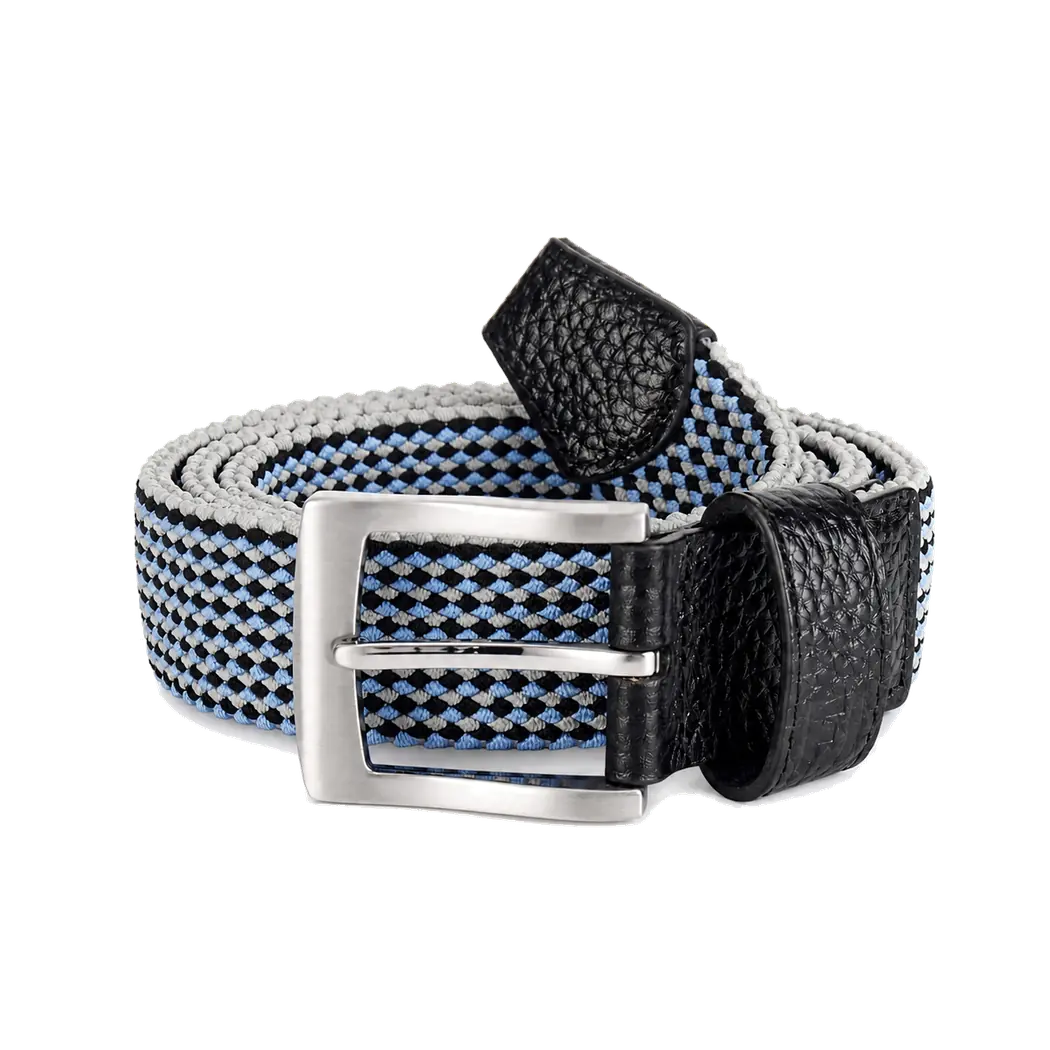
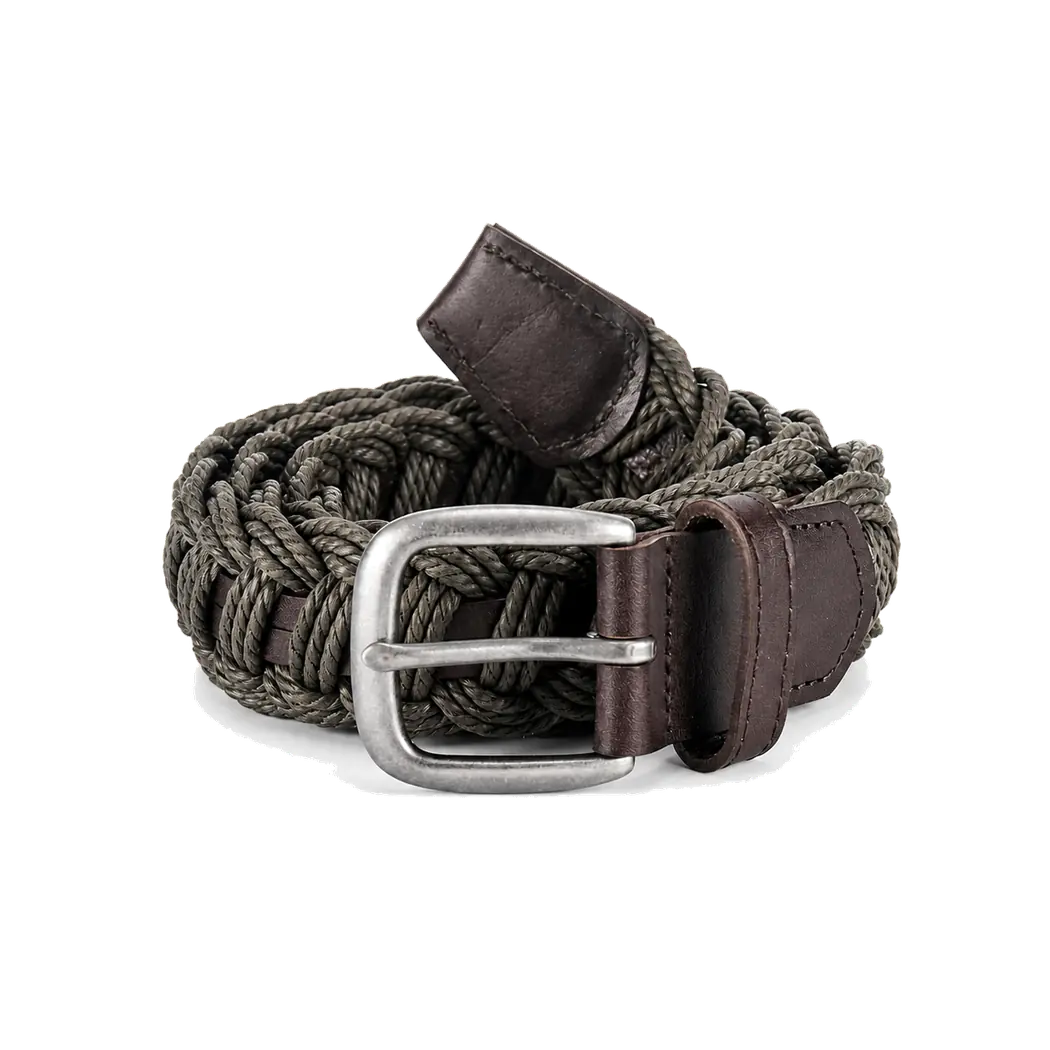
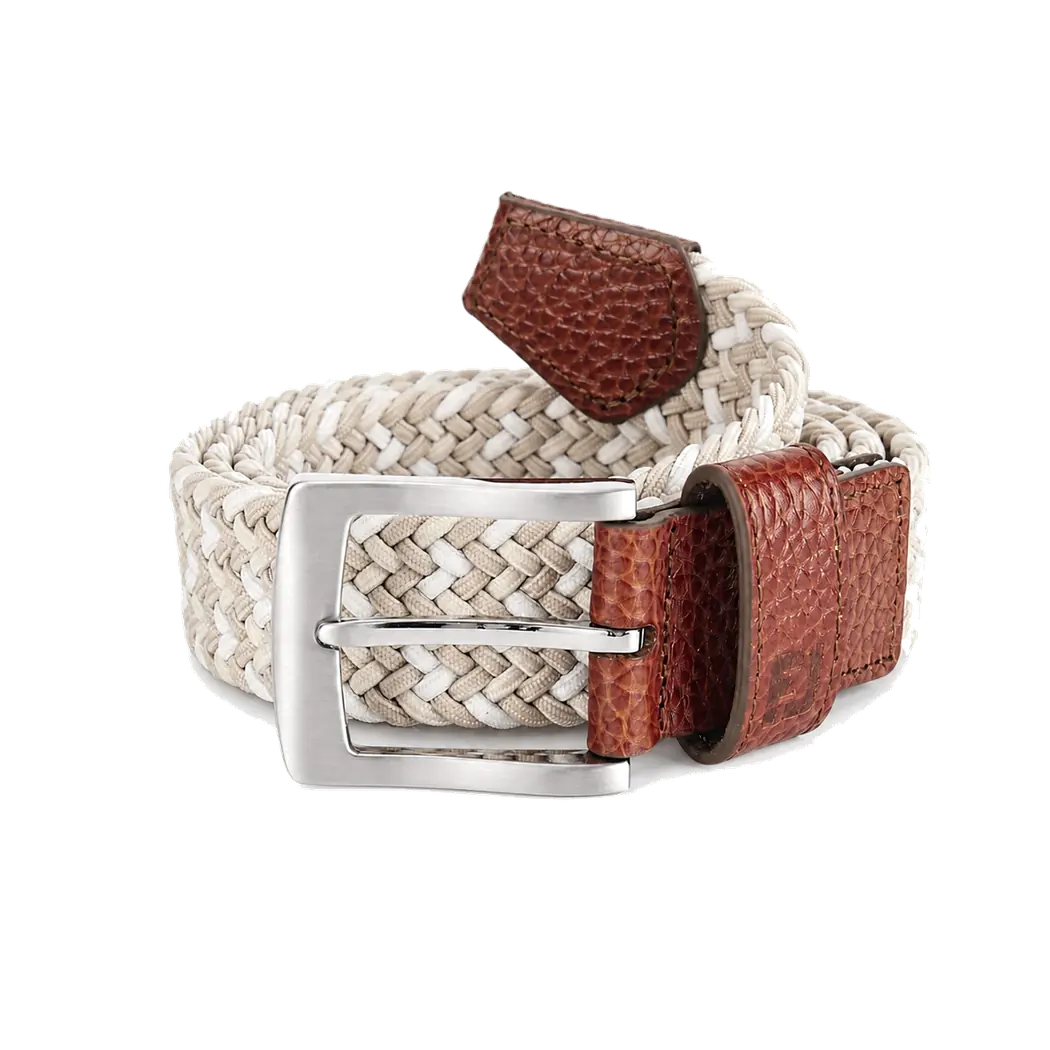
Custom Golf Belts and Stretch Belt Programs for Sports Brands
Golf and sports belt programs should start with the activity, garment loops, wearing position, adjustment method and finished-belt fit. HongDing then helps connect these inputs to the strap, tabs, buckle, colors, approved branding, packaging and SKU plan.
- Finished-belt recovery defined beyond fiber blend
- Tabs, joints and buckle evaluated with the strap
- Fit, color, branding and pack revisions held by SKU
How Does HongDing Support Golf and Sports Belt Programs
Turn the product idea into one finished-belt specification that product, sourcing, quality and packaging teams can use.
Use and Garment
Activity, wearing position, loop clearance, movement and contact conditions.
Adjustment System
Prong-through-braid, holes, ratchet track, reversible or other defined route.
Finished-Belt Method
Conditioning, datum, force or elongation, cycles, recovery and inspection points.
Retail Identity
Physical colors, authorized pattern or logo, size copy, item data and pack.
Define What Each Golf and Sports Belt Claim Needs to Show
Define each product claim through a visible feature, a practical evaluation method and an agreed approval record.
Movement Allowance
Define garment, wearing position, target extension and acceptable tension or recovery.
Stable Adjustment
Specify prong, hole, braid, track or clamp interaction and repeated-use method.
Clear Fit Range
Validate measurement datum, lower and upper fit, tail position and label wording.
Physical Team Color
Approve each webbing, tab, thread, buckle and package substrate physically.
Material and Component Routes for Golf and Sports Belts
Choose the strap and buckle route by adjustment behavior, activity, garment, appearance and required evaluation, not by a generic sports label.
| Stress Point | Freeze in the BOM | Method Boundary | Buyer Approval Record |
|---|---|---|---|
| Body-to-Tab | Articles, overlap, reinforcement, stitch, rivet or adhesive | Direction, rate, cycles and movement or failure limit | Joint sample and method record |
| Pli de la boucle | Tab thickness, skive, fold, clearance and attachment | Articulation, local deformation and edge contact | Target and limit samples |
| Prong or Hole | Prong geometry, braid or hole construction and zones | Insertion, yarn or hole damage, cycles and slip | Wear boundary and observations |
| Ratchet Interface | Track, pawl, release, strap bond and revisions | Engagement, release, slip and repeated action | Mechanism-specific functional record |
| Tip and Tail | Tip article, edge, length, keeper and loop passage | Flex, fray, stability and garment contact | Dimension and appearance file |
Reduce Golf Belt SKU Complexity Only after Finished-Belt Fit Validation
Stretch or no-hole adjustment may reduce SKU count, but only after the finished belt's usable range and fit wording have been checked.
Entrée 01
One Adjustable Range
Useful for selected gift or simplified assortments after lower and upper boundaries are proven.
Entrée 02
Grouped Sizes
Supports pro-shop or sportswear retail when overlaps, gaps and labels are clear.
Entrée 03
Incremental Sizes
Offers tighter fit control with more inventory, sorting and reorder complexity.
Entrée 04
Cut-to-Fit
Requires cutting datum, tool, minimum engagement, end treatment and approved instructions.
Entrée 05
Pack-by-Recipient
Requires a size-selection route, item mapping, recipient or event list and replacement logic.
Entrée 06.
Composition Record
Supplier or article identity, component, percentage basis and excluded zones.
Eight Steps from Sports Belt Brief to Bulk and Reorder
Use clear approval steps to close product, fit, branding and packaging questions before bulk production and repeat orders.
01 Use Brief
Define activity, garment, wearer, market, channel, intended and excluded claims, SKU plan and milestone.
02 Product Architecture
Freeze body article, tabs, joint, buckle or mechanism, dimensions, fit datum and colors.
03 Method File
Set recovery, joint, adjustment, appearance, fit and target-market review boundaries.
04 Physical Sample
Build the complete belt with representative branding, labels and pack.
05 Evaluation
Record finished-belt results and compare physical target and limit samples.
06 Buyer Approval
Sign BOM, method, fit, colors, artwork, copy, item data and packaging.
Evidence a Sports Buyer Should Review before Bulk Approval
Before bulk approval, review the current files for material, fit, function, branding, packaging and reorder references.
Body, tabs, reinforcement, joint, buckle, finish, labels and pack by supplier or project article.
Sample state, datum, conditioning, action, intervals, observations and acceptance limits.
Direction, cycles, movement, slip, release, damage and exact component revisions.
Measurement datum, validated range, tail, label, barcode, item and size chart.
Physical masters, buyer-authorized revision, process, placement, distortion and boundary samples.
Belt-to-set mapping, inserts, cartons, quantities and approved change history.
Define Sports Use Validate the Assembly Release the Right SKUs
These answers cover the practical questions sportswear, pro-shop, club and event buyers ask about materials, finished-belt performance, fit and retail presentation.
Start with the Finished Belt Your Channel Must Approve
Share the activity, garment, strap and buckle direction, fit range, colors, approved artwork, packaging, quantity by SKU and target milestone. HongDing can identify the open decisions before sampling.