
You haven't provided any English text to translate. Please send the content you'd like translated into French.
Programmes saisonniers en fibres tissées
Fabricant de ceintures en paille et raphia pour collections saisonnières
HongDing développe des ceintures en raphia en marque distributeur et d’autres styles en fibres tissées pour les collections saisonnières. Nous transformons la direction visuelle en une spécification définie pour la fibre, le tissage, l’âme, l’extrémité renforcée, la garniture, l’entretien et l’emballage avant l’échantillonnage.
- Identité des fibres confirmée avant les allégations
- Tissage, extrémités et attaches examinés ensemble
- Risques saisonniers et d’emballage planifiés à rebours
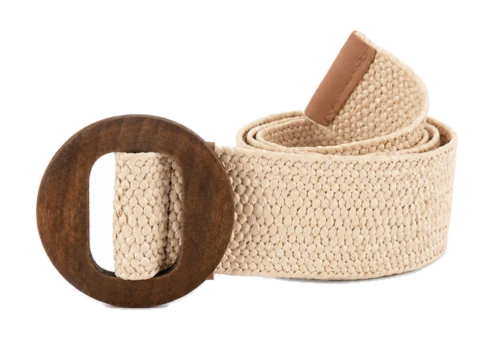
Produits représentatifs de ceintures en paille et en raphia
Comparez huit orientations de ceintures de style paille et raphia pour les collections croisière, été et mode. Les caractéristiques finales — fibre, tissage, âme, quincaillerie et finition — restent spécifiques au projet.
Clarifier la signification de paille et raphia dans une RFQ
Paille et raphia décrivent souvent un style visuel plutôt qu’une composition vérifiée. La première étape consiste à nommer la fibre et la construction réelles.
01Raphia documentéOuvrir le détail de la décision
Fibre nommée et preuves fournisseur examinées avec la forme du fil, l’armure et la nomenclature complète.
02Fibre végétale nomméeOuvrir le détail de la décision
L’identité précise de la fibre et son pourcentage sont indiqués plutôt que regroupés sous un terme générique de paille.
03Fil de papierOuvrir le détail de la décision
Fil décoratif à base de papier identifié avec enduction, support et construction sensible à l’humidité.
04Aspect raphia synthétiqueOuvrir le détail de la décision
Ruban ou fil polymère décrit par son matériau réel, sans laisser entendre une fibre naturelle.
05Élastique ou mélangéOuvrir le détail de la décision
Fil de recouvrement, âme élastique, support et pourcentages contrôlés comme éléments séparés.
06Capsule croisièreDécision : calendrier et couleur
Coordonne la couleur, l’armure, les garnitures et le conditionnement avec les livraisons de maillots de bain, de vêtements en lin ou de tenues de vacances.
Nommez la fibre avant d’approuver le récit.
L'identité des fibres influe sur l'apparence, la réaction à l'humidité, l'entretien et la formulation des allégations. Un aspect naturel peut guider la conception, mais il ne prouve pas la composition.
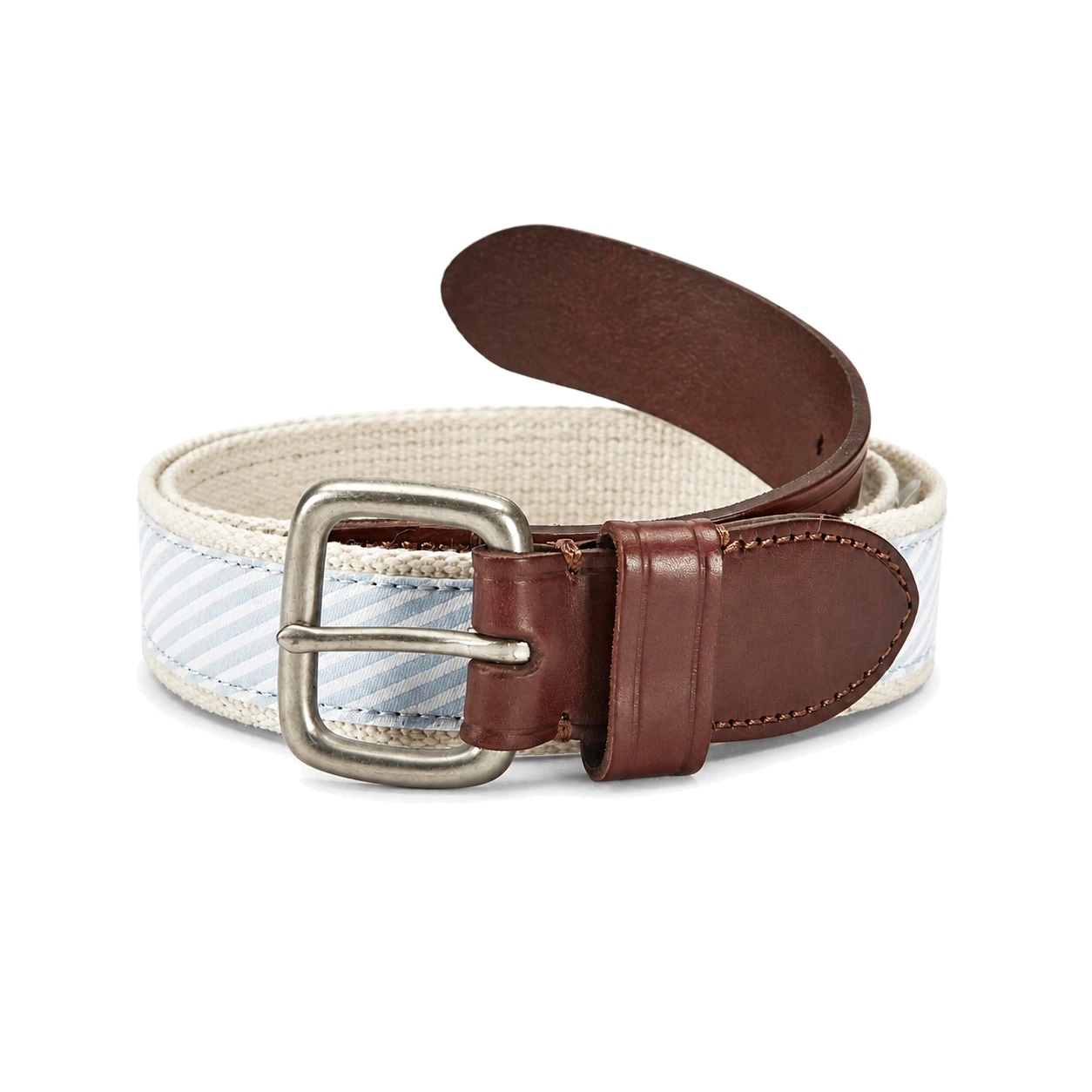
Embouts
Procédé plié, cousu, enveloppé, capuchonné ou à languette avec critères de chevauchement et de traction d'extrémité.
Protège les extrémités de fils exposées.Languettes de boucle
Matériau désigné, épaisseur, disposition des coutures, géométrie de la quincaillerie et direction de la charge.
Transmet la charge de la bouclePassants
Passage tissé, enroulé, cousu ou métallique dimensionné pour le corps et l'extrémité finis.
Contrôle le maintien de l'extrémitéBoucles recouvertes
Identité du revêtement, couture, adhésif, flexibilité et abrasion examinés autour du cadre.
Coordonne la présentationTraduire les besoins de l'acheteur en contrôles vérifiables
Le produit doit conserver son caractère naturel ou artisanal sans créer de problèmes d'ajustement, de présentation ou de manipulation en point de vente.
Variation naturelle
Le ton, les nœuds et la texture varient au-delà de la gamme artisanale prévue par l'acheteur. Question d'aspect
Tissage lâche
Le corps s'ouvre, se décale ou perd sa silhouette prévue lors de la manipulation. Question de structure
Fibres cassées
Le fil casse, perd des fibres ou crée des extrémités coupantes ou négligées. Question de rupture
Détachement de la décoration
Le pompon, la perle ou un autre élément se desserre ou s'accroche. Question de fixation
Changement dû à l'humidité
Le corps se ramollit, se déforme, se tache, dégage une odeur ou change après une exposition inappropriée. Question de conditionnement
Écrasement dû à l'emballage
La boucle, le corps ou la décoration arrive à plat ou avec des marques permanentes. Question logistique
Planifier un programme saisonnier à rebours à partir de la date de mise en rayon.
Planifier le programme saisonnier à rebours à partir de la date cible de mise en rayon. Confirmer la fibre, la structure, la couleur et l’emballage suffisamment tôt pour éviter des modifications tardives de production.
Porte 1 : Brief calendrier
Définir le marché, la date de mise en magasin, le rôle dans l’assortiment, la quantité et les responsables des approbations.
Porte 2 : Revue des fibres et des allégations
Confirmer le fil visible, le cœur, le support, les garnitures, les preuves et le libellé prévu.
Porte 3 : Prototype de structure
Élaborer le tissage, les dimensions, les extrémités, la boucle, l’élastique et les fixations décoratives.
Porte 4 : Approbation des couleurs et des risques
Approuver la gamme naturelle ou la couleur teinte, l’humidité, la casse, le frottement et le périmètre d’emballage.
Porte 5 : Échantillon de référence
Figer le produit, l’entretien, l’étiquette, le code-barres, les éléments graphiques et l’emballage de protection.
Porte 6 : Production en série et logistique
Contrôler les matériaux et la fabrication, inspecter l’emballage et gérer les modifications en fonction de la date de mise en rayon.
Faites correspondre le parcours aux scénarios saisonniers des acheteurs
Le bon parcours de fibres tissées dépend de la collection, de la variation acceptable et de la manipulation en vente au détail, pas seulement d’un look d’inspiration balnéaire.
| Objectif de l’acheteur | Orientation du parcours | Accent sur la structure | Focus sur le pack |
|---|---|---|---|
| Resort raffiné | Corps tissé documenté avec garniture spécifiée | Corps dense, extrémités renforcées, boucle coordonnée | Maintien de la forme et séparation des surfaces |
| Caractère artisanal visible | Fibre nommée avec gamme naturelle approuvée | Irrégularité intentionnelle, extrémités et attaches sécurisées | Protection sans écraser la texture |
| Ajustement confortable | Fil de recouvrement sur âme élastique définie | Taille détendue, extension, récupération et connexion de boucle | Éviter la compression à long terme |
| Valeur mode maîtrisée | Piste d'aspect fil papier ou synthétique | Limite d'humidité ou de chaleur, extrémités renforcées, étiquette précise | Barrière, séparateur et conditions des cartons |
| Capsule décorée | Corps vérifié ainsi que les composants décoratifs nommés | Contrôle de la fixation, des accrocs et du positionnement | Prévenir l'emmêlement, l'écrasement et le frottement |
Justificatifs et systèmes pertinents pour l'examen de l'acheteur
La diligence raisonnable de l'acheteur doit relier chaque enregistrement au bon titulaire légal, au site d'exploitation, au périmètre d'évaluation et à la validité actuelle. Demandez l'index des preuves applicable au projet plutôt que de se fier à un logo seul.
 SMETAPérimètre de l'examen
Confirmer le titulaire du rapport, le site audité, le périmètre d'évaluation et la date d'examen actuelle pour le programme acheteur.
 SedexPérimètre de l'examen
La participation à la plateforme soutient l'examen de la chaîne d'approvisionnement, mais n'est pas présentée comme un certificat de produit.
 Leather Working GroupPérimètre de l'examen
Relier les preuves à l'établissement de cuir nommé, au périmètre certifié et à la validité actuelle.
 Better Work CambodgePérimètre de l'examen
Confirmer l’installation cambodgienne nommée, la période d’examen et le périmètre du programme applicable.
 Vérification de la sécurité mondialePérimètre de l'examen
Examiner le site applicable, le périmètre de sécurité et la validité avant de se fier au dossier.
Marques et détaillants sélectionnés avec lesquels nous avons travaillé
ILS NOUS FONT CONFIANCE
Références clients sélectionnées dans le cadre de programmes de vente au détail et de marques.











Résoudre Paille et Raphia Questions sur les fibres avant Approbation de la gamme saisonnière
Ces réponses clarifient l'identité des fibres, la structure tissée, les risques d'humidité et de rupture, les garnitures mixtes, les mentions environnementales et la planification des lancements saisonniers.
Lancer un programme saisonnier de ceintures défini par la fibre
Envoyez la date cible de mise en rayon, la fibre, le tissage, la largeur, les garnitures, la gamme de couleurs, les besoins d'entretien et d'emballage. Notre première revue identifiera les écarts de matières et de calendrier avant l'échantillonnage.