
You haven't provided any English text to translate. Please send the content you'd like translated into French.
Defined-Composition Belt Programs
Fabricant de ceintures en cuir reconstitué et croûte de cuir pour programmes à matériaux définis
HongDing manufactures bonded and split leather belts for value-focused retail and wholesale programs. We separate composite materials from hide split layers, then define the surface, backing, construction, label wording and supporting records for the selected material.
- Composite and split-layer identities kept distinct
- Surface, backing and complete stack specified
- Label wording linked to material evidence
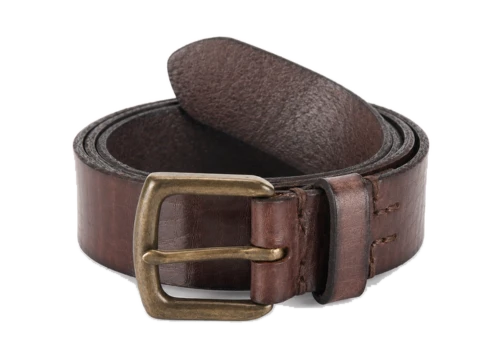
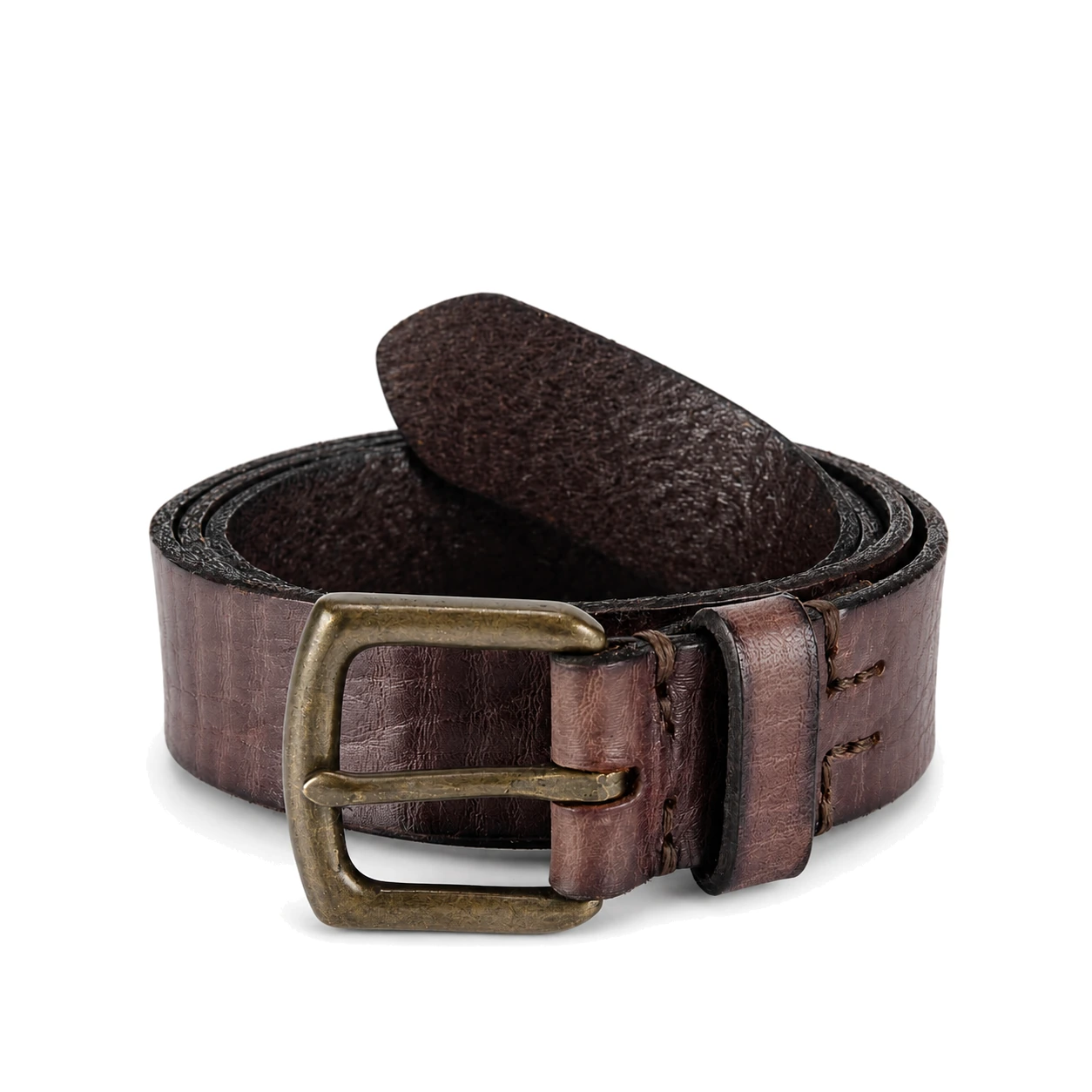
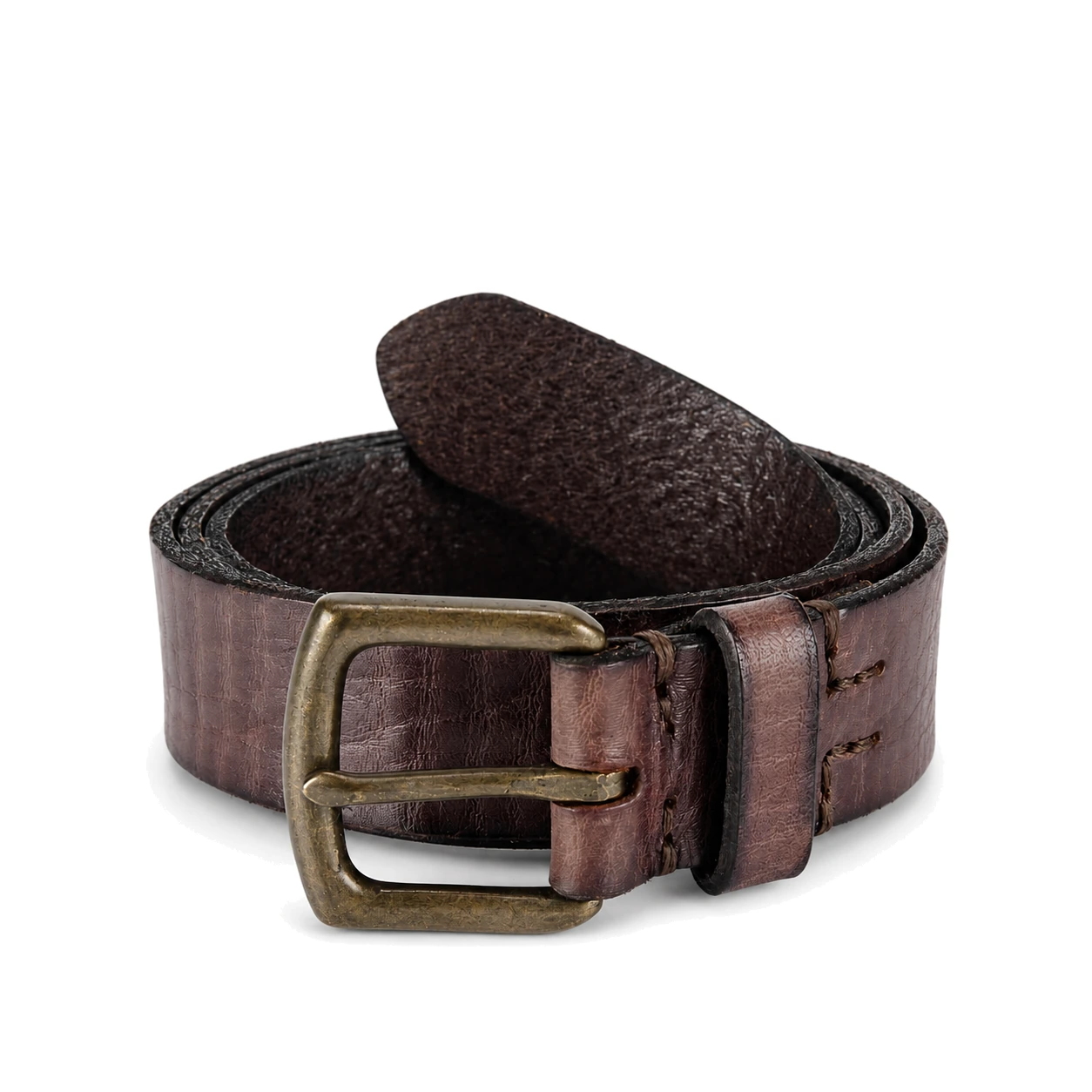
Representative Bonded and Split Leather Belt Products
Compare eight bonded and split leather belt directions for dress, casual and fashion programs. Final materials, construction, hardware and finish remain project specific.
What Makes a Bonded Leather Belt a Composite Product
Bonded leather is a composite material made with leather-derived fiber or particles, binder and other layers. A leather-like surface pattern does not define its composition.
01Composite SheetOuvrir le détail de la décision
Leather-derived fiber or particles and binder described through the supplier's current article record.
02Face LayerOuvrir le détail de la décision
Coating, film, print, emboss and finish stated separately from the composite base.
03Support LayerOuvrir le détail de la décision
Carrier, textile or other backing identified when it affects fold, peel, thickness or label wording.
04Finished Belt StackOuvrir le détail de la décision
Face, composite, core, reinforcement, lining, edge, adhesive and local fold details held in one BOM.
05Split LeatherOuvrir le détail de la décision
A split layer from a hide, with its coating, emboss, backing and complete belt structure written explicitly.
06Bonded or ReconstitutedOuvrir le détail de la décision
A fiber-or-particle composite with binder and any face or support layers disclosed for the selected article.
Specify Split Leather by Layer, Surface and Construction
Split leather can suit value-focused programs when its layer, surface treatment, backing and construction are clear. Calling it only leather leaves important buying decisions unresolved.
Layer Identity
Split layer stated directly and separated from upper-hide, bonded and synthetic routes.
Controls namingSurface System
Coating, emboss, print, pigmentation and protective finish recorded by article.
Controls appearanceThickness and Temper
Finished range, method, points and hand linked to style and fold construction.
Controls interfacesBacking and Reinforcement
Supporting layers and adhesives specified where shape or fold behavior depends on them.
Controls stabilityCompare Bonded, Split, PU and Full-Grain Routes
Compare quotations for the same style, construction and intended use. Material names alone do not show differences in coating, reinforcement, edge, hardware, evidence or packaging.
Bonded Composite
Article declaration, layer map, face system, backing and qualified wording held together.
Identity: compositeFinished Split
Split layer, tannage or finish information, thickness, temper and surface treatment defined.
Identity: hide splitCoated Split
Split base and polymer coating stated separately, with fold and adhesion interfaces reviewed.
Identity: layered leatherControl Crack, Peel, Transfer and Thickness Risk
Composite and coated belts need close review at folds, holes, edges and other repeated-use areas. The test plan should match the actual material and construction.
Fold Cracking
Face system or composite opens at the buckle return after bending. Flex interface
Surface Peel
Film or coating separates from the composite or split base. Adhesion interface
Color Transfer
Finish moves to lining, pack or contact surface under friction or moisture. Contact interface
Hole Deformation
Repeated fastening distorts or tears a weak local construction. Load interface
Lot Thickness Drift
Later material changes fold bulk, edge profile or buckle fit. Continuity risk
Mislabeling
Artwork uses an unqualified leather term that exceeds the evidence. Claim risk
Match the Route to Volume Buyer Scenarios
Retailers, fashion brands, wholesalers and importers may share a cost target but need different controls for claims, packaging, SKU range and repeat orders.
Retail Chain Opening Price
Requires article-coded supply, consistent product data, pack accuracy and agreed appearance and use boundaries.
Decision: repeatabilityPrivate-Label Fashion Drop
Requires color, surface, buckle and pack coordination plus rapid resolution of claim and fold risks.
Decision: launch controlWholesaler Assortment
Requires honest route naming and SKU logic so buyers can compare value tiers without material confusion.
Decision: range clarityImporter with Market Rules
Requires the intended label and evidence package reviewed against destination and retailer requirements.
Decision: evidence scopeBrand Moving up a Tier
Requires like-for-like prototypes across split, PU or upper-hide alternatives before repositioning claims.
Decision: upgrade pathMaterial Route
Bonded composite, split leather, coated split or alternate route plus proposed article code.
Credentials and Systems Relevant to Buyer Review
Buyer due diligence should connect each record to the correct legal holder, operating site, assessment scope and current validity. Request the applicable evidence index for the project rather than relying on a logo alone.
 SMETAReview scope
Confirm the report holder, audited site, assessment scope and current review date for the buyer program.
 SedexReview scope
Platform participation supports supply-chain review but is not presented as a product certificate.
 Leather Working GroupReview scope
Connect the evidence to the named leather facility, certified scope and current validity.
 Better Work CambodiaReview scope
Confirm the named Cambodia facility, review period and applicable program scope.
 Global Security VerificationReview scope
Review the applicable site, security scope and validity before relying on the record.
Selected Brands and Retailers We Have Worked With
ILS NOUS FONT CONFIANCE
Selected customer references across retail and branded programs.











Resolve Bonded and Split Material Questions before Price and Label Approval
These answers separate composite and split-layer identities, clarify evidence and show which construction and claim decisions must be resolved before bulk.
Start a Defined-Composition Belt Program
Send the intended material route, target use, surface, construction and label wording. Our first review will identify what must be resolved before options are priced or sampled.