
You haven't provided any English text to translate. Please send the content you'd like translated into French.
Voies OEM, ODM et marque propre
Fabrication de ceintures OEM et ODM, du brief à la production en série
HongDing prend en charge la fabrication de ceintures OEM et ODM pour les marques, les détaillants et les équipes d'approvisionnement. La bonne voie dépend de qui fournit les spécifications du produit, quelles décisions de conception restent ouvertes et qui approuve les modifications. Le MOQ est confirmé ultérieurement à partir du produit final, de la personnalisation, de l'assortiment de SKU et de l'emballage.
- Les écarts OEM sont renvoyés à l'acheteur pour approbation
- La propriété et l'exclusivité ODM nécessitent des conditions écrites
- La marque propre ne remplace pas la définition du produit
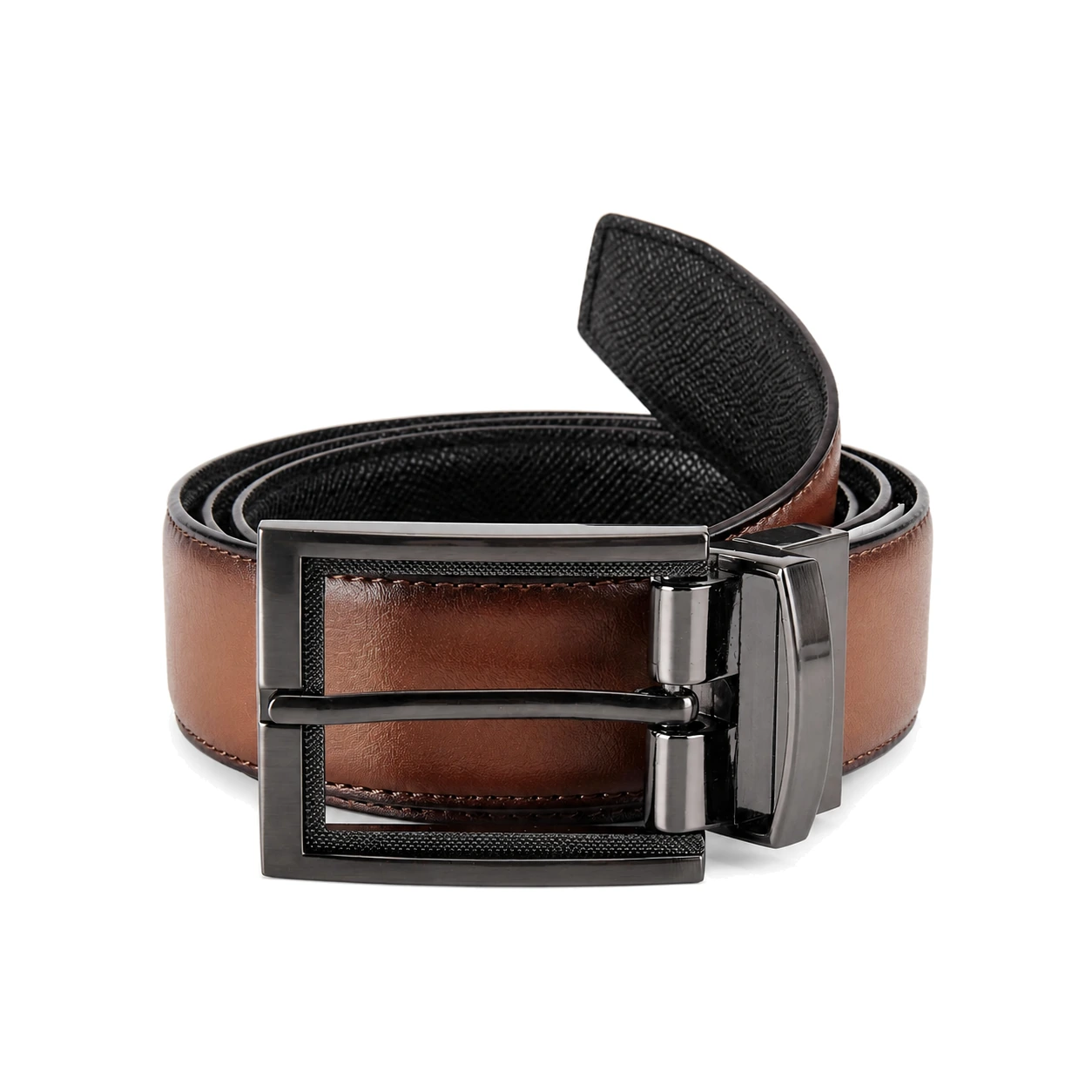
Définir ce que le service OEM ou ODM doit fournir
Le périmètre de la prestation doit préciser qui fournit la définition du produit, ce que HongDing créera ou exécutera et ce qui doit être approuvé avant l'étape suivante.
Entrée 01
Définition produit
Déterminer si la base de référence est un dossier technique appartenant à l'acheteur, un échantillon approuvé, une référence autorisée, un concept sélectionné ou un style de base.
Entrée 02
Réponse de faisabilité et d'écarts
HongDing consigne le brief approuvé, les détails manquants, les modifications proposées, les questions d'outillage et les risques nécessitant une décision de l'acheteur.
Entrée 03
Preuve technique et physique
Définir quel fichier, échantillon de matière, composant, prototype ou échantillon de référence doit être examiné et ce que chacun est destiné à approuver.
Entrée 04
Périmètre de la marque et de l'emballage
Séparer l'ingénierie produit des approbations liées au logo, aux étiquettes, aux données de code-barres, aux maquettes d'emballage et aux marquages de carton.
Entrée 05
Validation commerciale
Indiquer les minimums propres au projet, la base de prix, l'outillage, les conditions relatives aux échantillons, les déclencheurs de calendrier, les hypothèses de commande, les tests et les exclusions.
Entrée 06.
Droits et utilisation autorisée
Traiter les actifs de l'acheteur, le savoir-faire préexistant de HongDing, les nouveaux concepts, les fichiers techniques, les alternatives non utilisées, l'outillage, l'exclusivité et la confidentialité.
Résoudre les problèmes de définition produit avant la planification de production
Une photo, un nom de matériau ou une demande de logo ne constitue pas une spécification de fabrication complète. Résoudre la construction, les dimensions, les composants, les allégations et les responsabilités d'approbation avant la planification de production.
Entrée 01
Image de référence utilisée comme spécification
La forme visible est copiée tandis que les dimensions, la référence d'ajustement, l'identité du matériau, les couches cachées, les tolérances et la construction restent inconnues.
Entrée 02
Nom de support marketing utilisé comme article
Un terme général est cité sans composition, grade, support, épaisseur, finition, voie d'approvisionnement ni preuve à l'appui d'allégation.
Entrée 03
Boucle sélectionnée sans revue d'interface
La largeur du composant, le poids, l'ardillon ou le mécanisme, la zone de pliage, la fixation, les couches de sangle ou le plan d'essai ne correspondent pas à la spécification de la ceinture.
Entrée 04
Marquage de marque ajouté après l'approbation du produit
L'embossage, le laser, la plaque, le film métallique, l'étiquette ou l'emballage modifient le comportement du matériau, la mise en page, l'outillage, l'épreuve ou les exigences d'emballage après le gel de la référence de base.
Entrée 05
Échantillon approuvé sans clôture des points ouverts
Un composant provisoire, une couleur de substitution, un article d'emballage temporaire ou un essai manquant restent non signalés dans la référence libérée pour la production.
Entrée 06.
Détaillant répétant un SKU approuvé
Nécessite une exécution OEM selon la spécification actuelle, la référence approuvée, les exigences du fournisseur et les règles de contrôle des modifications.
Maintenir la production OEM alignée sur les spécifications de l’acheteur
L’OEM fonctionne au mieux lorsque chaque sortie respecte une exigence acceptée de l’acheteur ou une dérogation écrite approuvée par l’acheteur.
Enregistrement 01Index de réception des spécifications
Liste les dessins actuels, le dossier technique, l’identité de l’échantillon, les références matières et quincaillerie, les éléments graphiques, l’emballage, les normes et les contacts acheteur.
Enregistrement 02Rapport de faisabilité et de conflits
Identifie les valeurs manquantes, les fichiers contradictoires, les données d’entrée indisponibles, les risques de processus, les questions d’essai et les clarifications proposées.
Enregistrement 03Registre des écarts approuvés
Associe chaque modification proposée de matériau, composant, dimension, construction, finition, élément graphique ou emballage à la décision de l’acheteur.
Enregistrement 04Lien entre l’échantillon et la spécification
Identifie quelle version physique reflète le fichier actuel et quelles caractéristiques ou quels tests restent hors du périmètre d’approbation de cet échantillon.
Enregistrement 05Base de référence de libération de production
Répertorie l’échantillon approuvé, les fichiers techniques actuels, la nomenclature, les éléments graphiques, l’emballage, le plan qualité, le statut des points ouverts et le responsable de la libération.
Enregistrement 06Contrôle des modifications de réapprovisionnement
Reconfirme la disponibilité des intrants, les exigences actuelles, les substitutions proposées et les conditions commerciales avant qu’un produit précédent ne soit répété.
Développer ensemble le matériau, la quincaillerie et la structure
Une ceinture n’est pas définie par un seul matériau ou une image de boucle. Ses couches, dimensions, fixations, interfaces de quincaillerie et finitions doivent fonctionner ensemble.
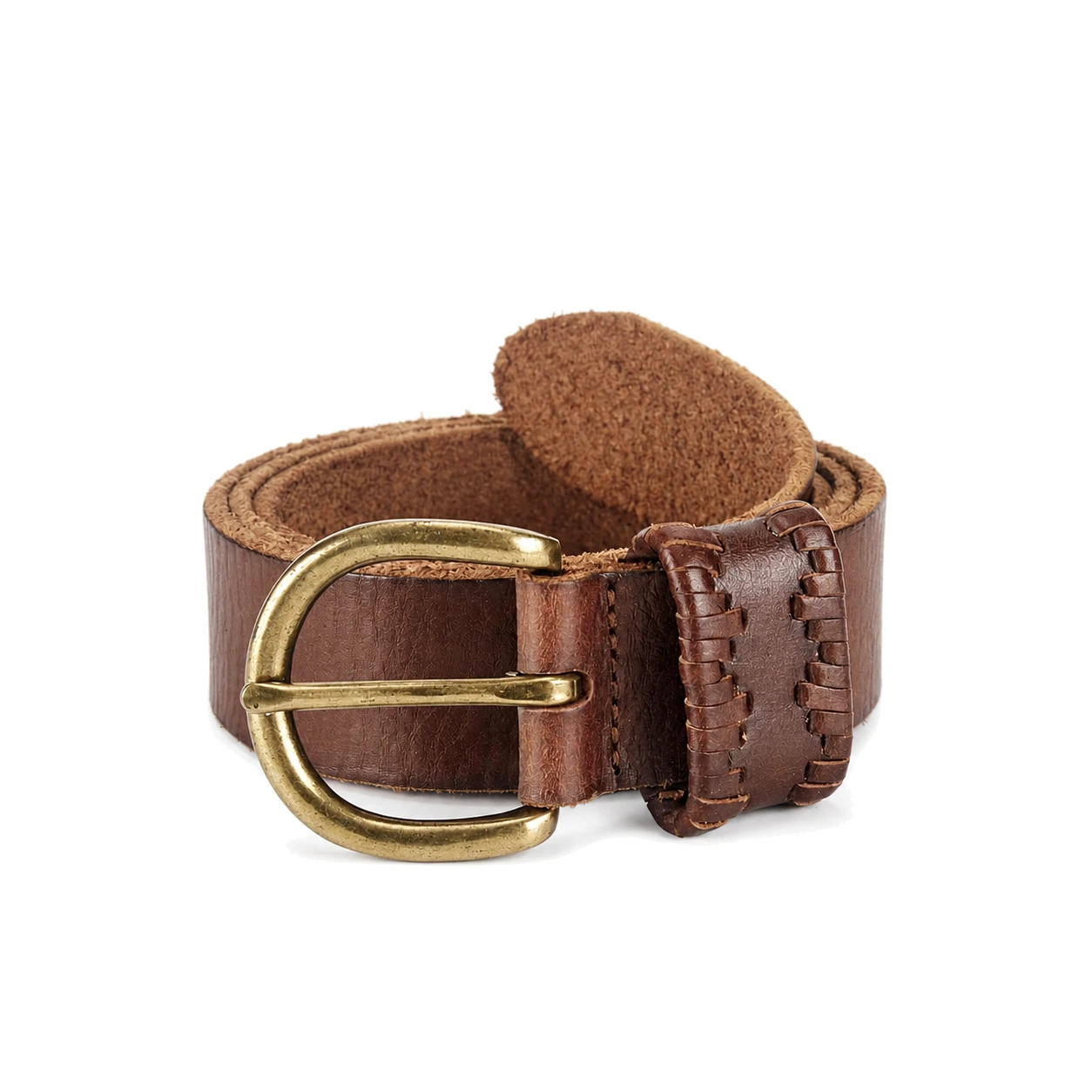
Identité du matériau
Article exact, composition ou qualité, rôle de la couche, épaisseur, couleur, surface, support, statut de la source et preuves des allégations.
Approbation : échantillon nommé et statut écrit de la nomenclatureInterface de quincaillerie
Dimensions de la boucle ou du composant, poids, ardillon ou mécanisme, finition, fixation, logo, outillage et contact avec l’empilement de la sangle.
Approbation : dessin, référence du composant et périmètre fonctionnelStructure de la ceinture
Largeur, couches, renfort, rigidité ou élasticité de travail, pli, couture, bord, espacement des trous, extrémité, passant et parcours de fixation.
Approbation : vues actuelles, dimensions et échantillon physiqueRelation de changement
Chaque substitution proposée identifie l'ajustement, l'apparence, la fonction, le processus, le coût, le test, les éléments graphiques et l'approbation antérieure concernés.
Approbation : enregistrement de l'impact des changementsAdapter la route de fabrication à la catégorie de ceinture
Les responsabilités OEM et ODM restent claires, mais les questions techniques changent selon les constructions de ceintures habillées, tissées, western, de travail, à cliquet et réversibles.
Une ceinture tissée nécessite des décisions sur l'élasticité de travail et l'interface de patte. Une ceinture habillée peut mettre l'accent sur la matière, le bord, la finition de la boucle et la présentation de la taille.
Utilisez la page de catégorie pour les vérifications détaillées de l'acheteur, puis revenez ici pour attribuer les responsabilités de définition produit, d'approbation et de propriété.
Élaborer un brief qui expose les lacunes de responsabilité et d'approbation
Un brief prêt pour le devis décrit le produit, indique qui contrôle chaque exigence, liste les preuves disponibles et identifie les décisions qu'il est demandé à HongDing de prendre.
Utilisez les unités, références et versions de fichier réelles. Marquez un champ comme inconnu plutôt que de le remplir par une supposition.
La matrice peut être envoyée avant que toutes les réponses soient connues. Le premier résultat utile de HongDing peut être une liste des écarts et des décisions plutôt qu'un devis final.
Examiner les preuves qui correspondent à la route de fabrication
Le dossier de revue doit identifier le produit actuel, montrer ce qui a changé et relier les approbations techniques, de marque, de qualité et commerciales à la bonne révision.
Enregistrement 01Registre des responsabilités et des droits
Indique les niveaux OEM, ODM et de marque privée, les rôles de l'acheteur et de HongDing, la confidentialité, l'autorité sur les actifs, les livrables, la réutilisation et les conditions d'exclusivité.
Enregistrement 02Référence produit actuelle
Répertorie les spécifications, la nomenclature, les dimensions, les nuanciers, la quincaillerie, la construction, les illustrations, l'emballage et la référence physique approuvée.
Enregistrement 03Journal des écarts, déviations et modifications
Associe chaque exigence manquante ou modification proposée à l’impact, la décision de l’acheteur, le fichier concerné, le statut de l’échantillon et la clôture.
Enregistrement 04Registre des échantillons et des approbations
Identifie le type d’échantillon, la version, les éléments provisoires, les critères d’examen, les commentaires de l’acheteur, la réponse et le statut final de l’étape suivante.
Enregistrement 05Index qualité et essais
Indique les points de contrôle convenus, les méthodes applicables, l’article ou le lot testé, les critères d’acceptation, les résultats, les limites et le responsable de la libération.
Enregistrement 06Dossier de libération commerciale
Indique la quantité et la composition des SKU, la préparation des intrants, l’emballage, l’outillage, la base de prix, le déclencheur temporel, l’Incoterm, les exclusions et la condition de commande acceptée.
OEM et ODM Questions préalables Libération de projet
Réponses sur la voie de fabrication, les déviations, les droits de co-développement, le périmètre de marque de distributeur, les minimums, le gel technique et les preuves d’examen.
Commencez par la bonne voie OEM, ODM ou marque privée
Envoyez la spécification, l'échantillon ou l'idée produit dont vous disposez déjà. Notre équipe identifiera la bonne voie OEM, ODM ou marque privée et établira la liste des décisions techniques et commerciales nécessaires avant l'échantillonnage.