
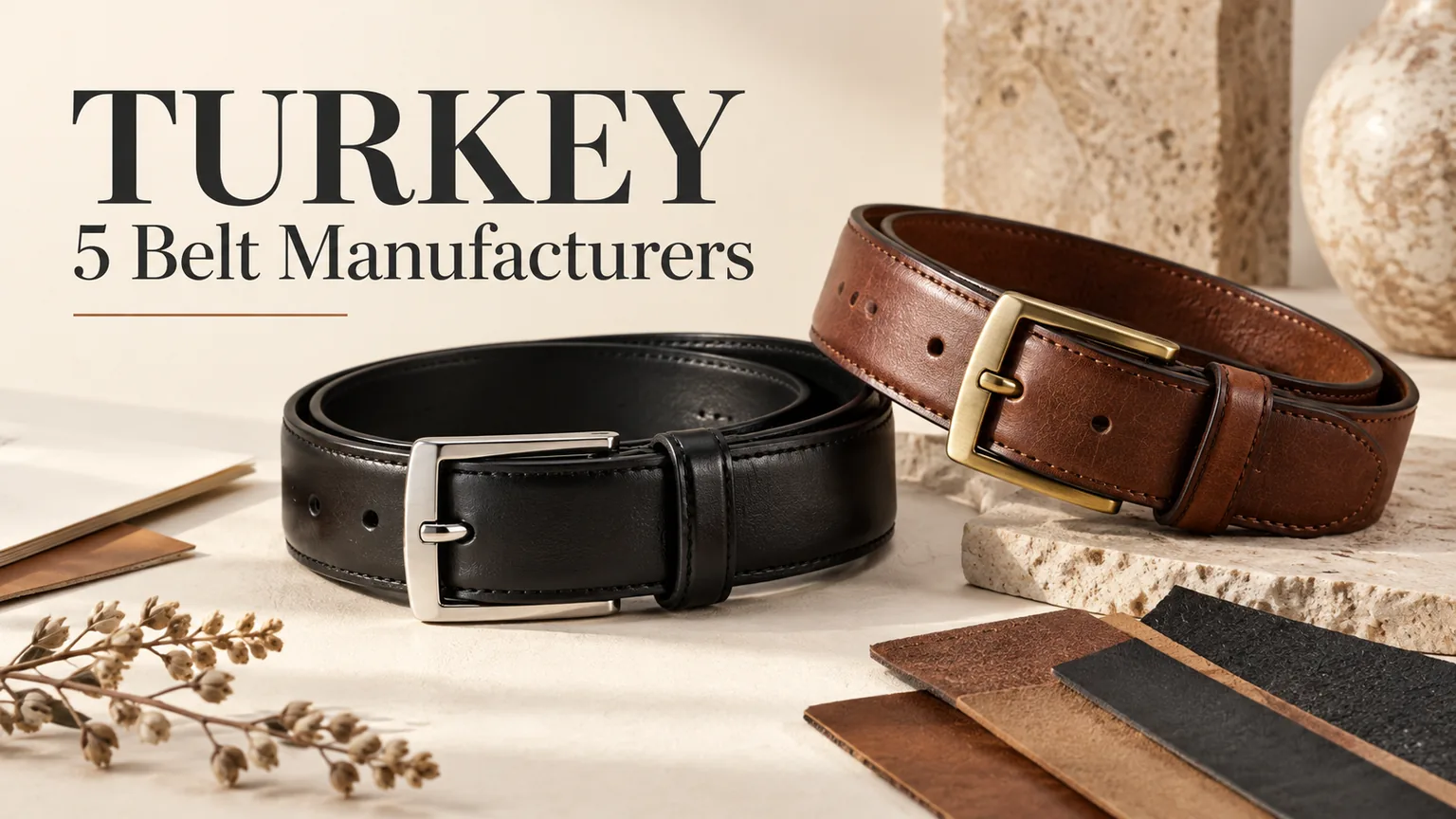
Top 5 Leather Belt Manufacturers in Turkey: A Buyer Shortlist
Five Turkish leather belt manufacturers compared by production route and buyer fit, with practical construction, sampling and sourcing checks.
Belt Manufacturing Knowledge for Buyers
Use practical guidance on supplier selection, product and material decisions, OEM development, manufacturing control, compliance, packaging and reorders.
Five Turkish leather belt manufacturers compared by production route and buyer fit, with practical construction, sampling and sourcing checks.

Compare water-based and solvent-based belt lamination adhesives by substrate, drying, bond behavior and production controls—not carrier alone.
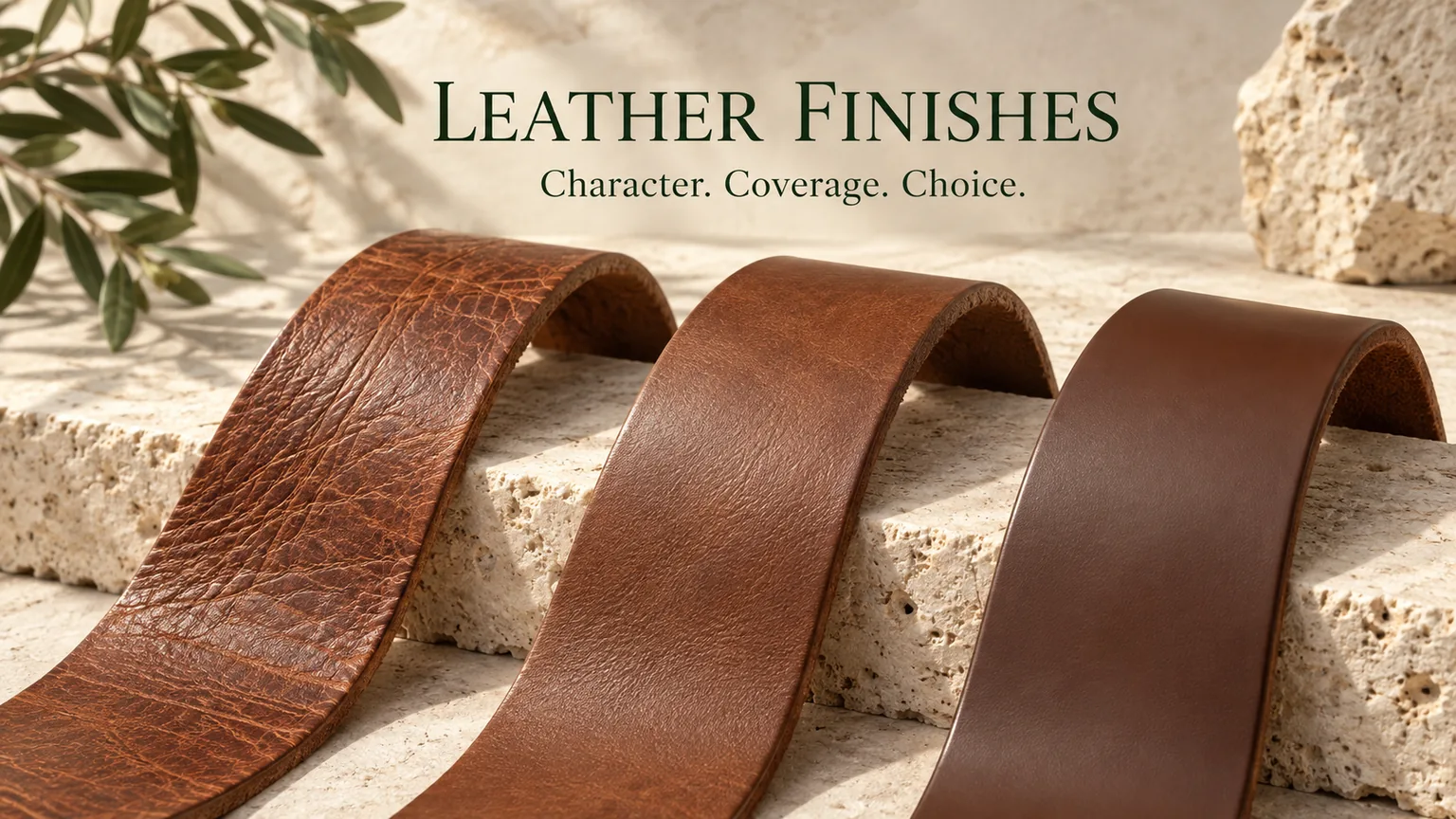
Compare leather finish coverage, natural variation and wear behavior to choose aniline, semi-aniline or pigmented leather for a belt collection.
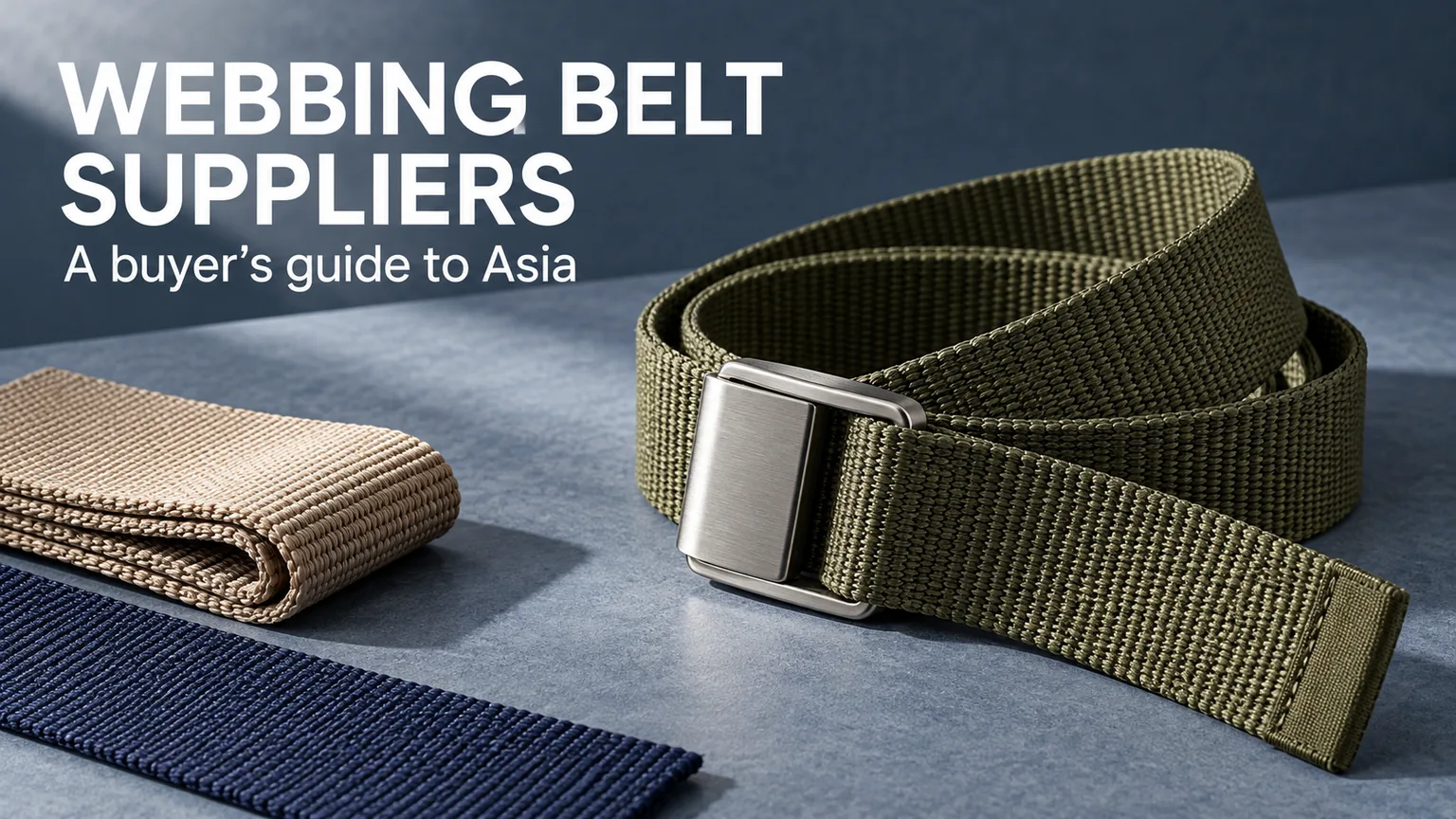
Compare Asian finished webbing belt suppliers and learn how to evaluate strap, buckle, end finishing and production location before placing an order.
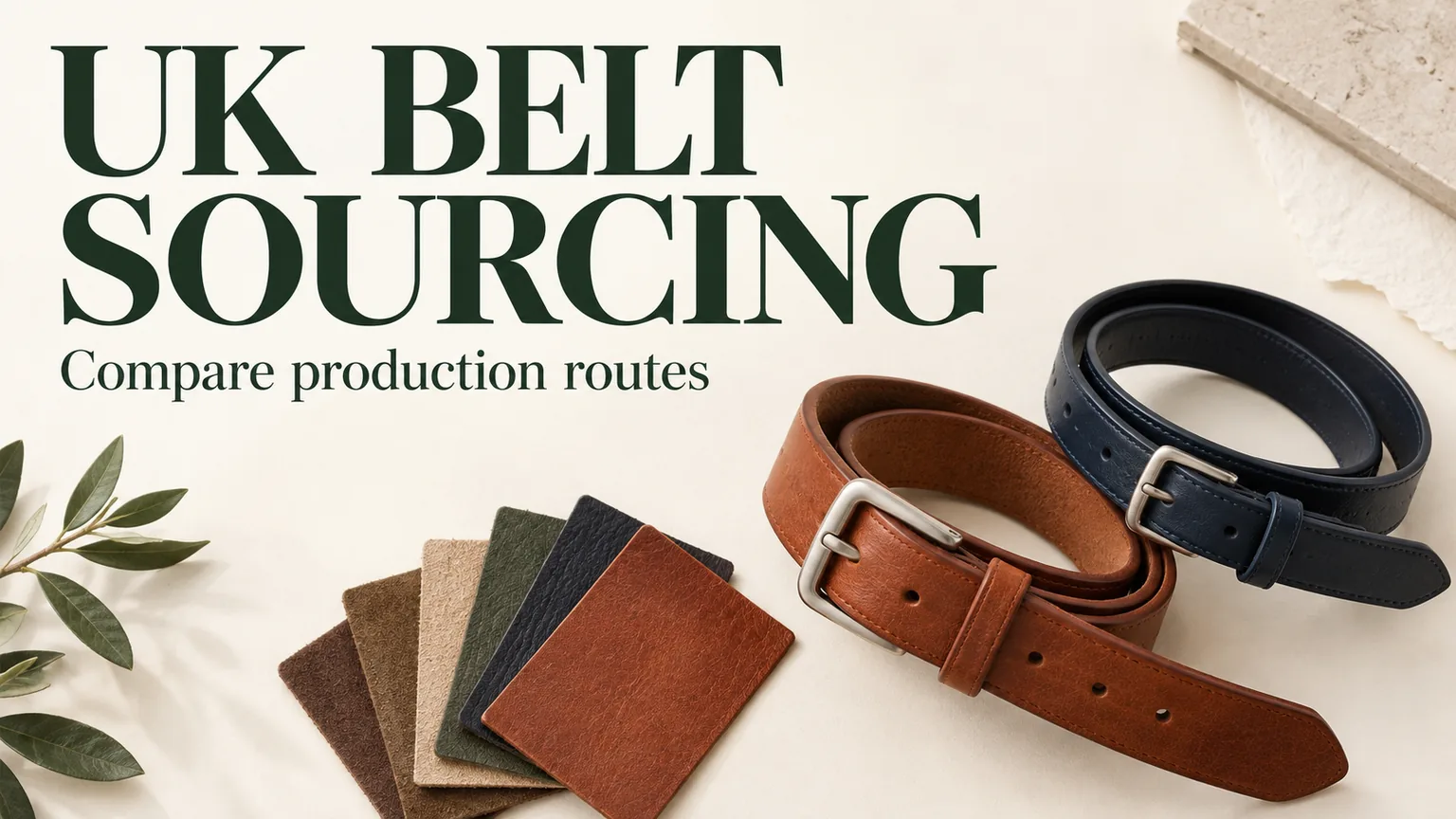
Compare UK belt manufacturing routes, from private-label development to printed leather, with practical checks for origin, samples and repeat orders.
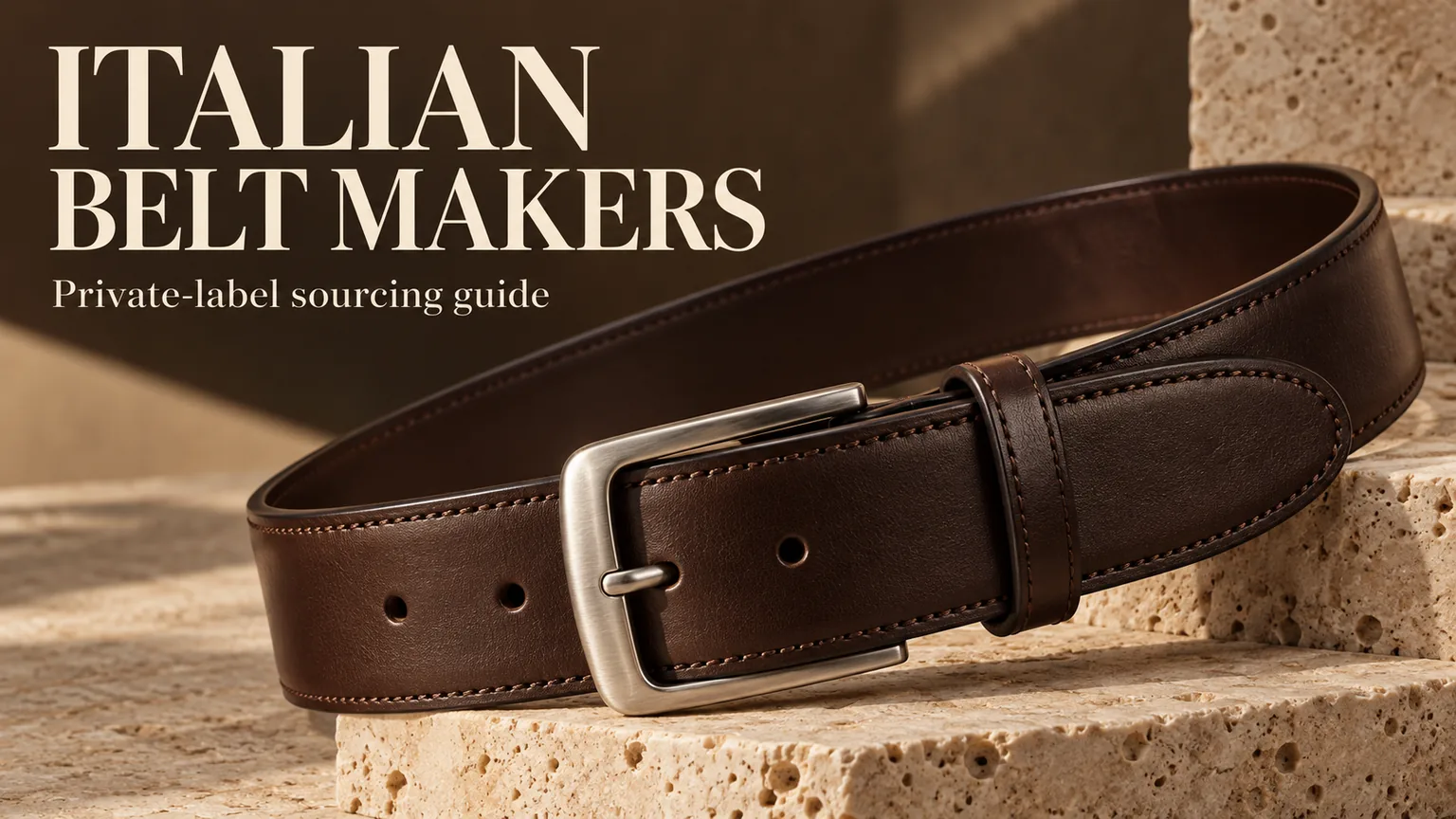
Compare four Italian leather belt manufacturers by development route, construction, sample quality and production readiness—not unsupported rankings.
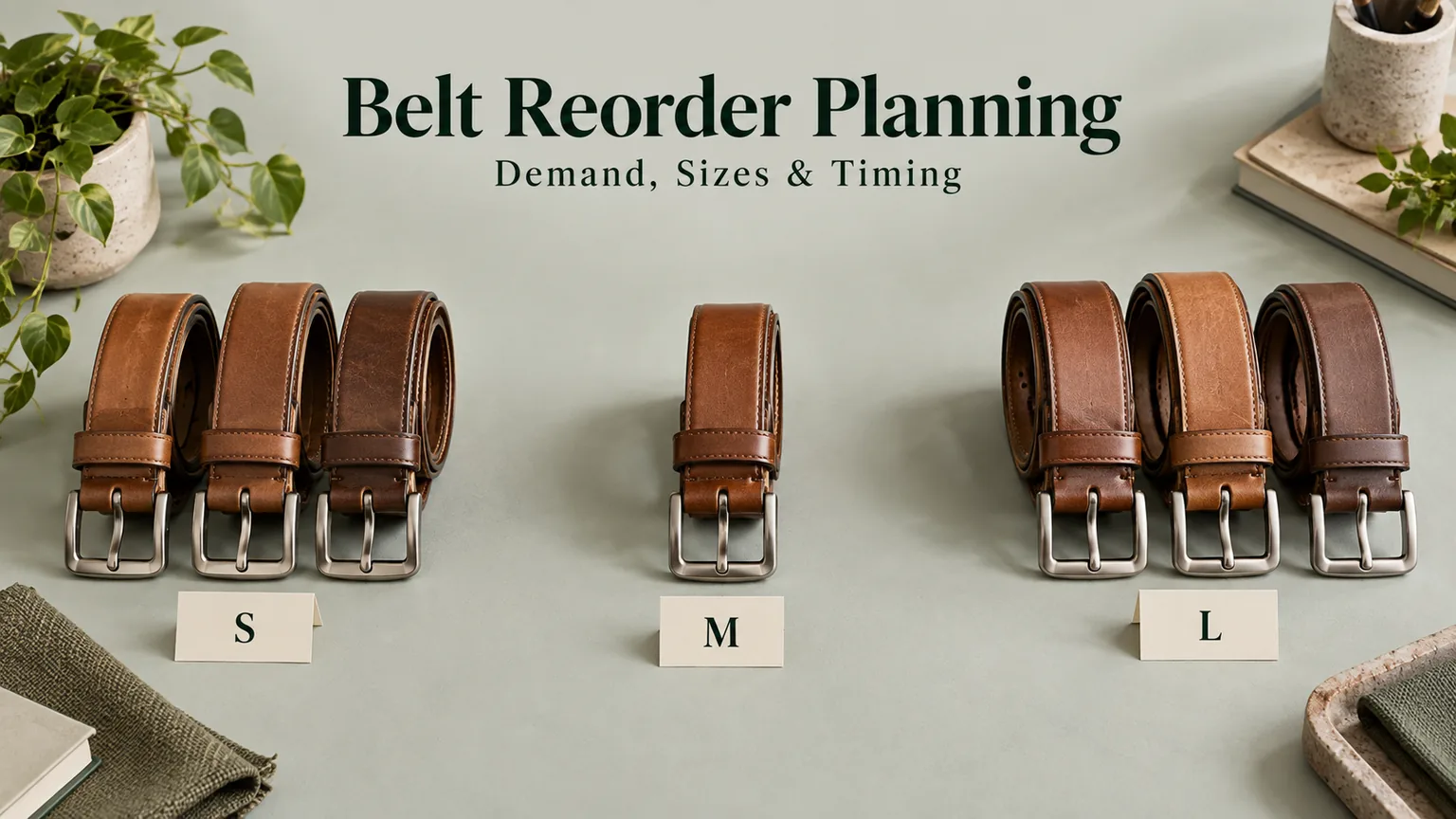
Build a belt reorder plan using available stock, variant demand, size curves, lead time and safety stock, with worked planning examples.
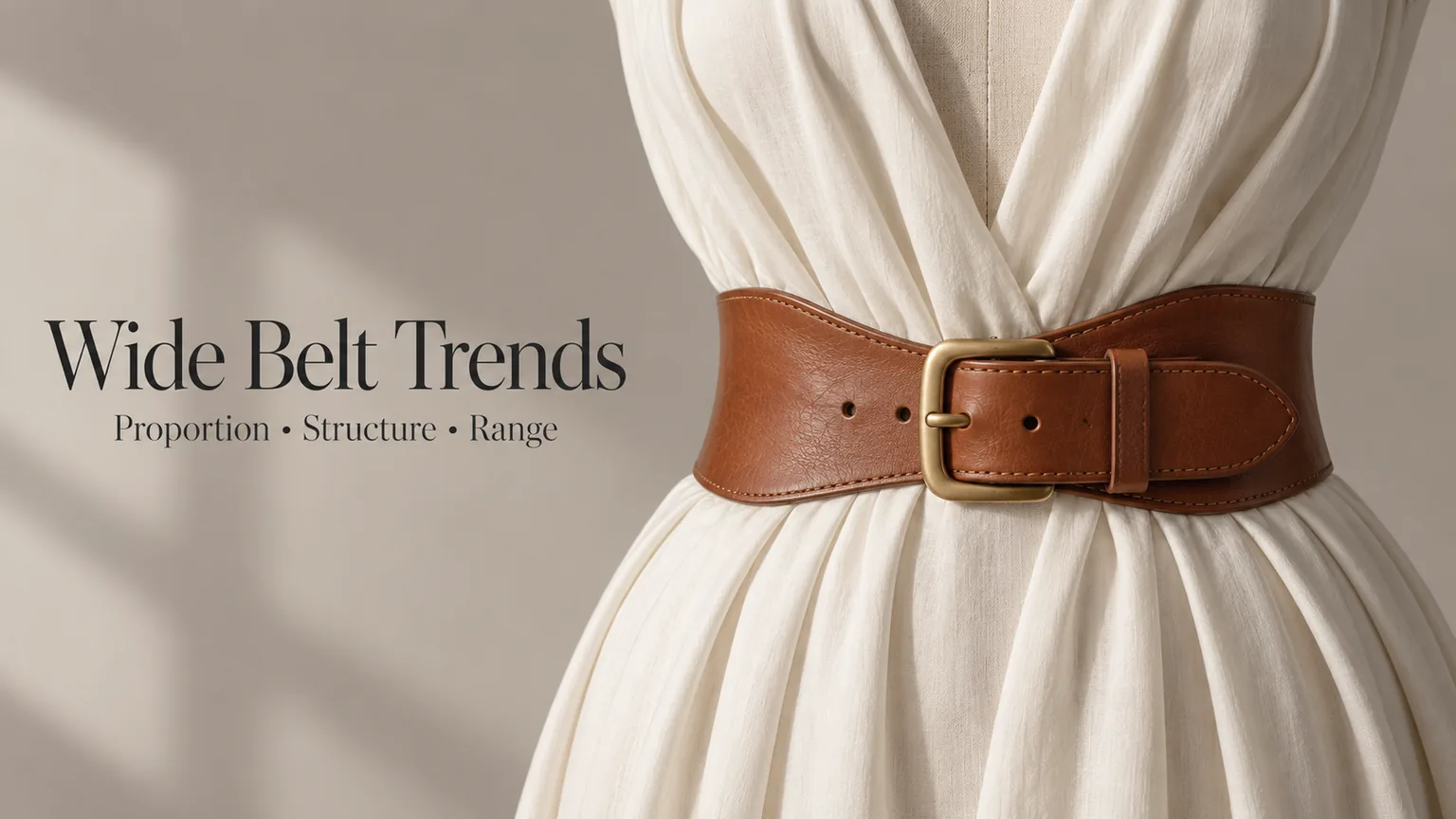
Translate wide belt trends into wearable products: compare proportion, contour, stiffness, closure design and a focused retail assortment.
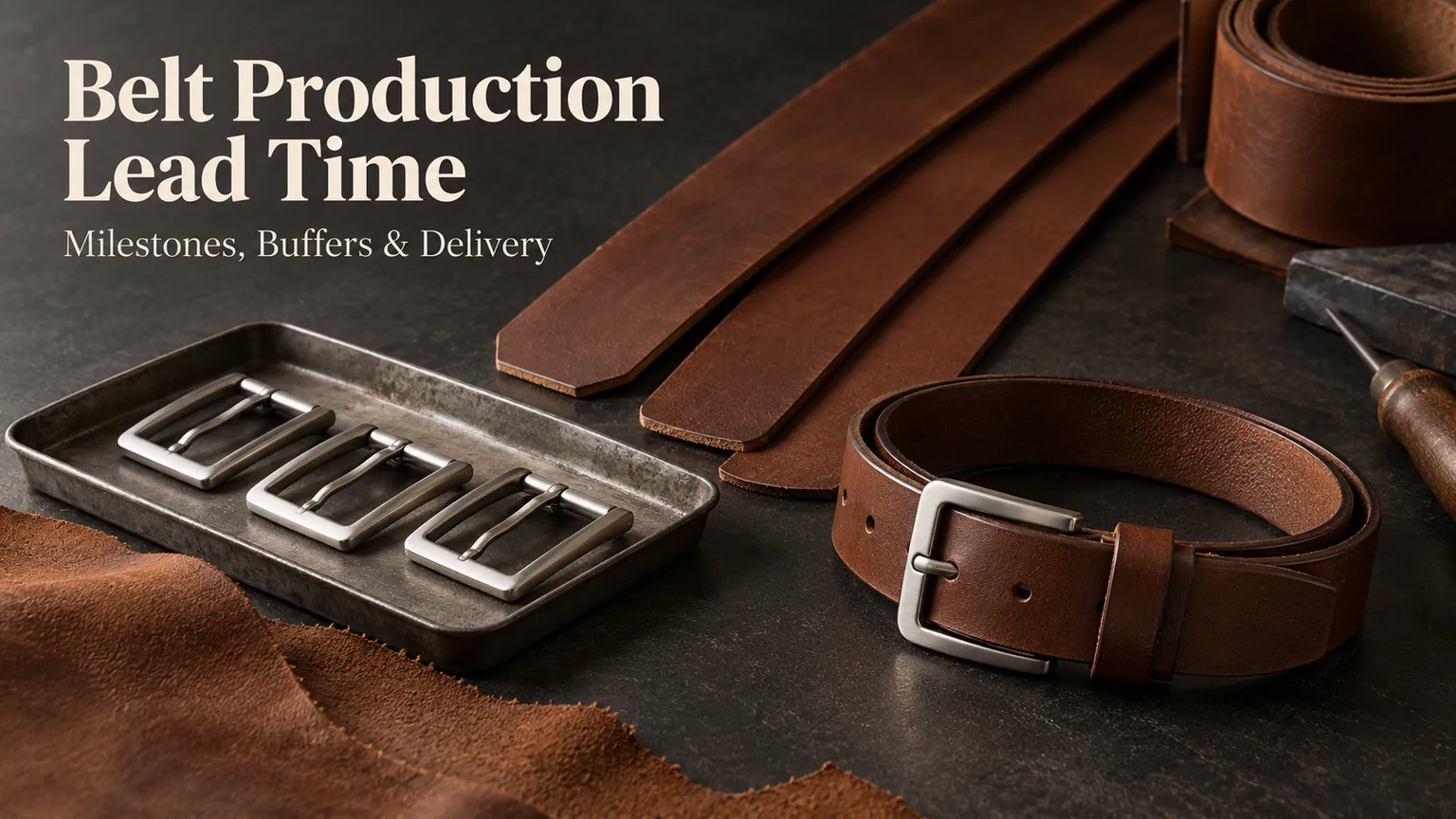
Plan belt production lead time from confirmed inputs through materials, making, inspection and delivery, with realistic buffers and delay decisions.
Choose kids’ belt sizes, closures and construction around actual garment fit, everyday use and a practical sample-review plan.
Scope CPSIA requirements for kids belts: lead, coating and phthalate rules, component reports, CPC responsibility, tracking marks and current import records.
Plan a retail belt range by style role, size curve, color and price. Connect SKU choices, opening quantities and replenishment to a workable sourcing…
Send what you have. A useful first review connects your design intent, commercial plan and evidence requirements before pricing or timing is treated as final.