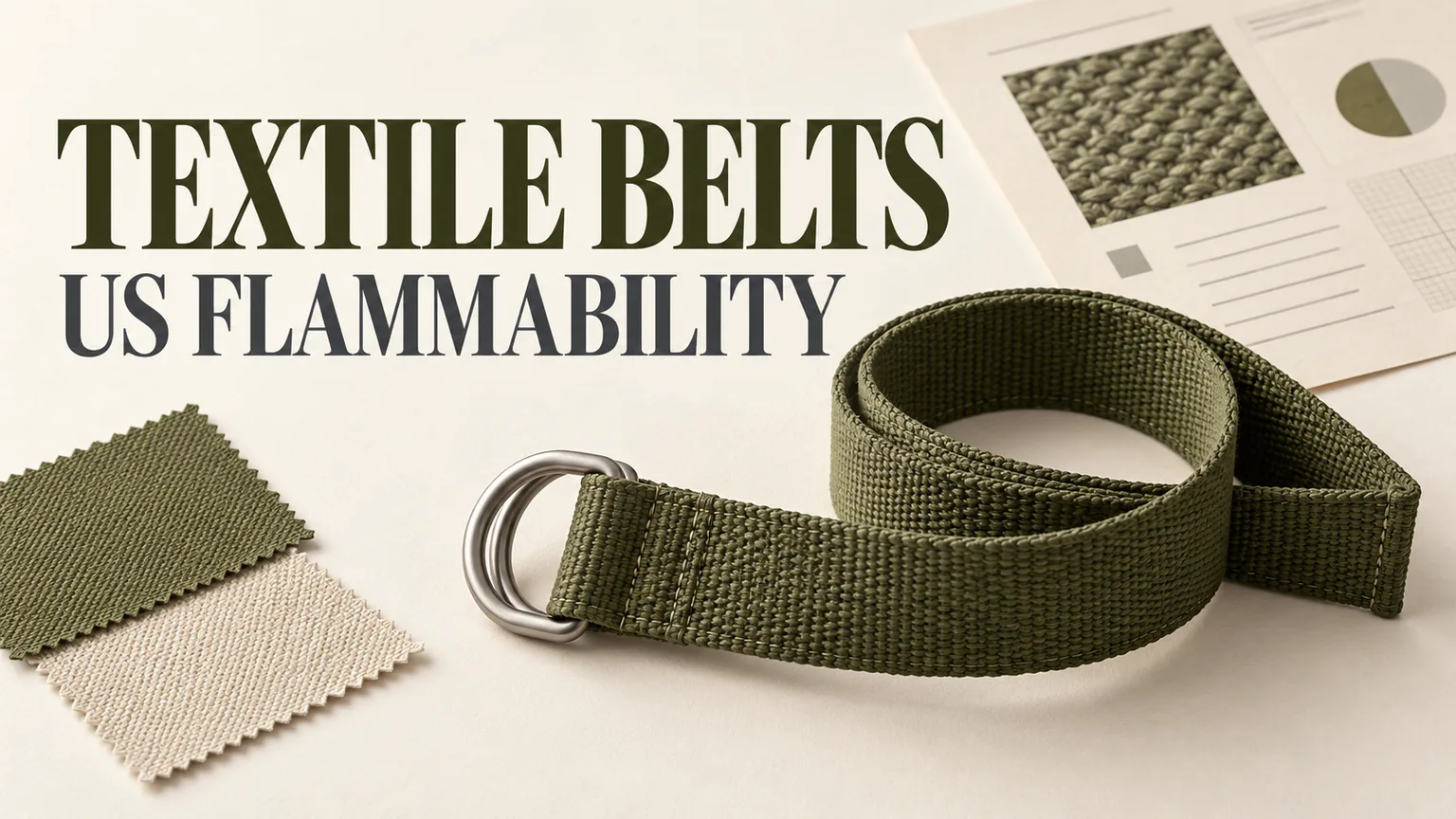
Do Textile Belts Need US Flammability Testing?
Separate US textile-belt flammability scope, fabric testing exemptions and certification responsibilities before specifying a laboratory test.
Belt Manufacturing Knowledge for Buyers
Use practical guidance on supplier selection, product and material decisions, OEM development, manufacturing control, compliance, packaging and reorders.
Separate US textile-belt flammability scope, fabric testing exemptions and certification responsibilities before specifying a laboratory test.
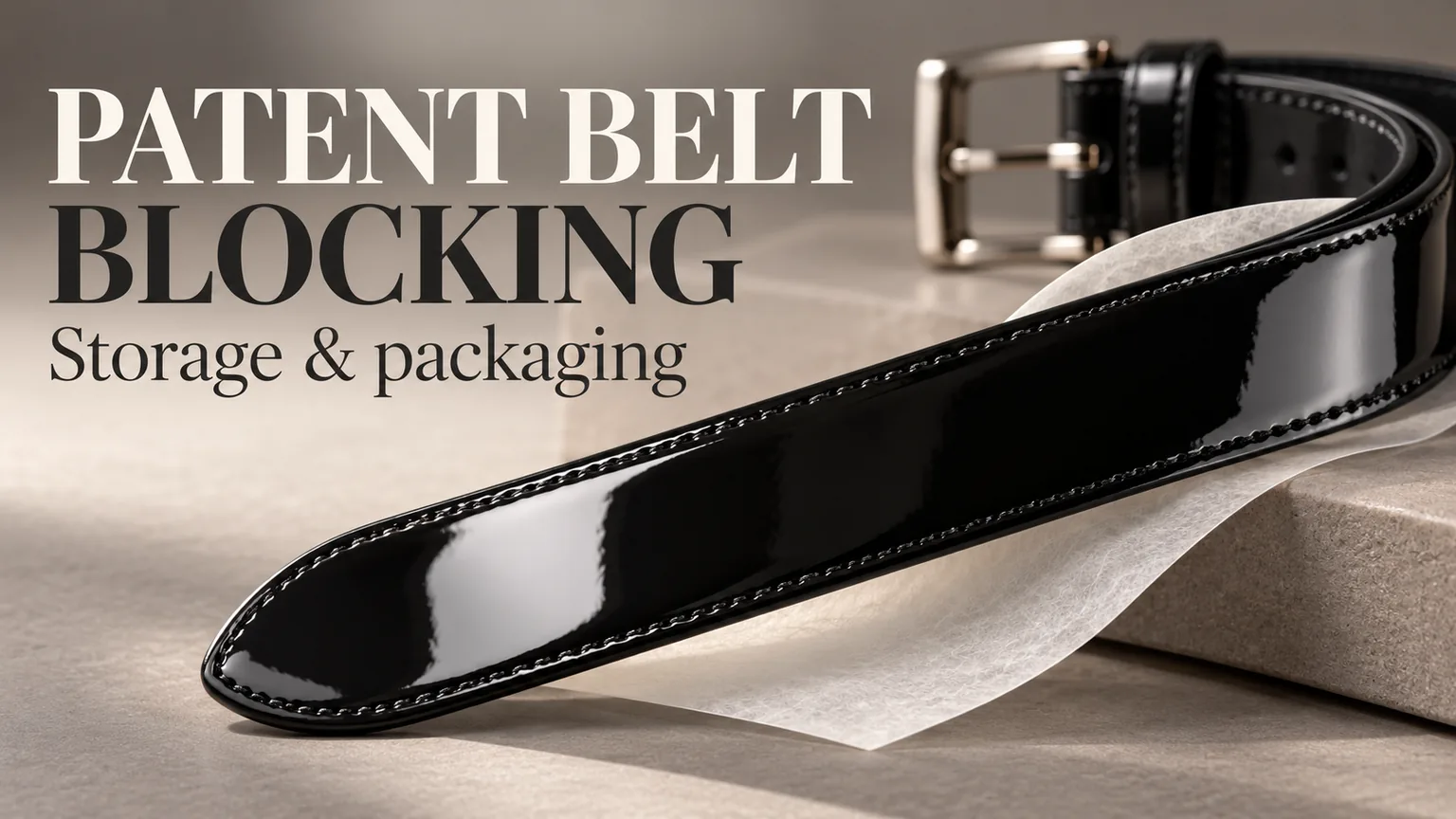
Identify why patent leather belts stick in storage, compare contact materials, and validate packaging without inventing laboratory pass limits.
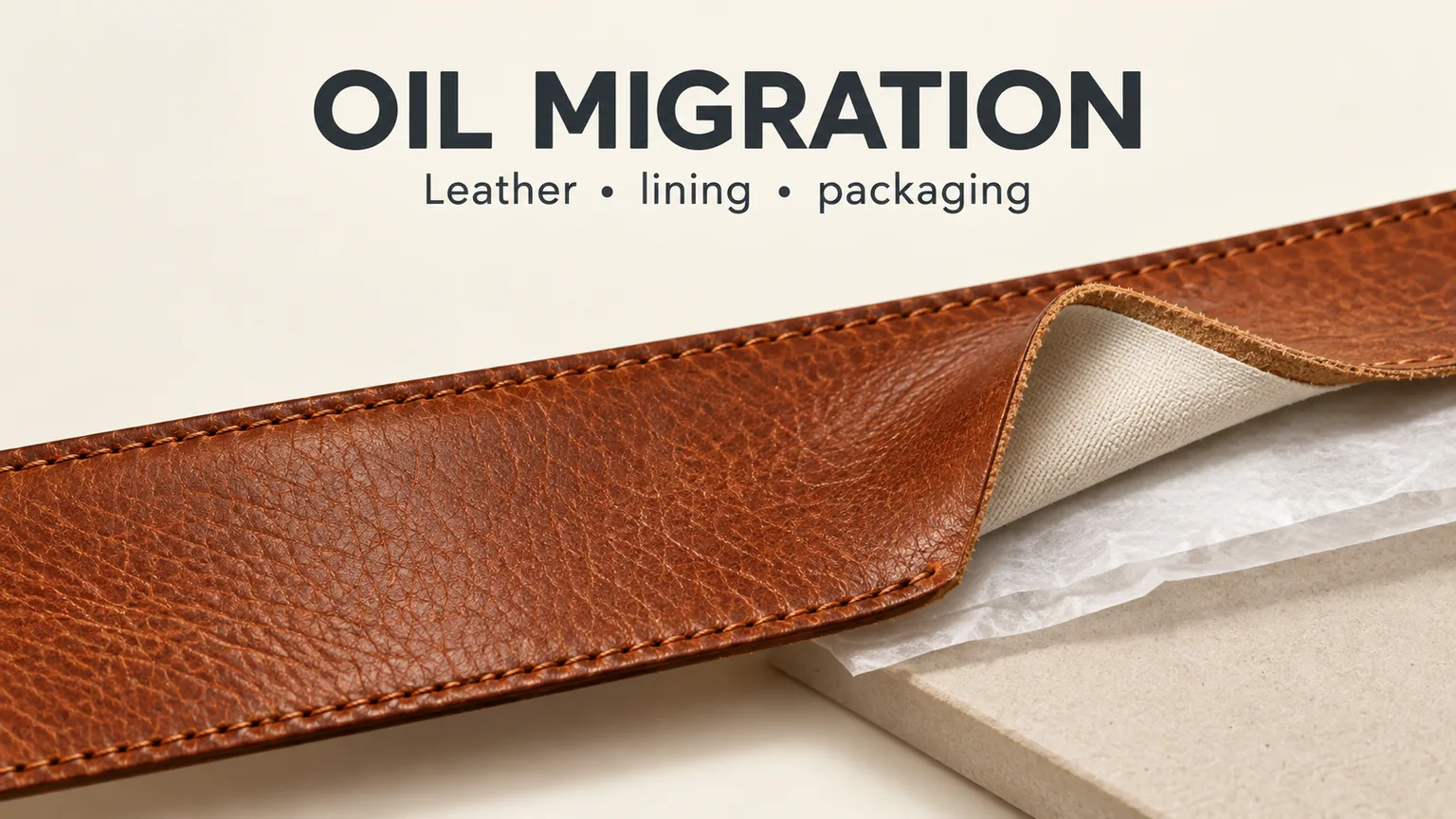
Understand how oils in leather can affect lining, packaging and adhesive bonds, then compare contact materials and sample changes without guessing the cause.
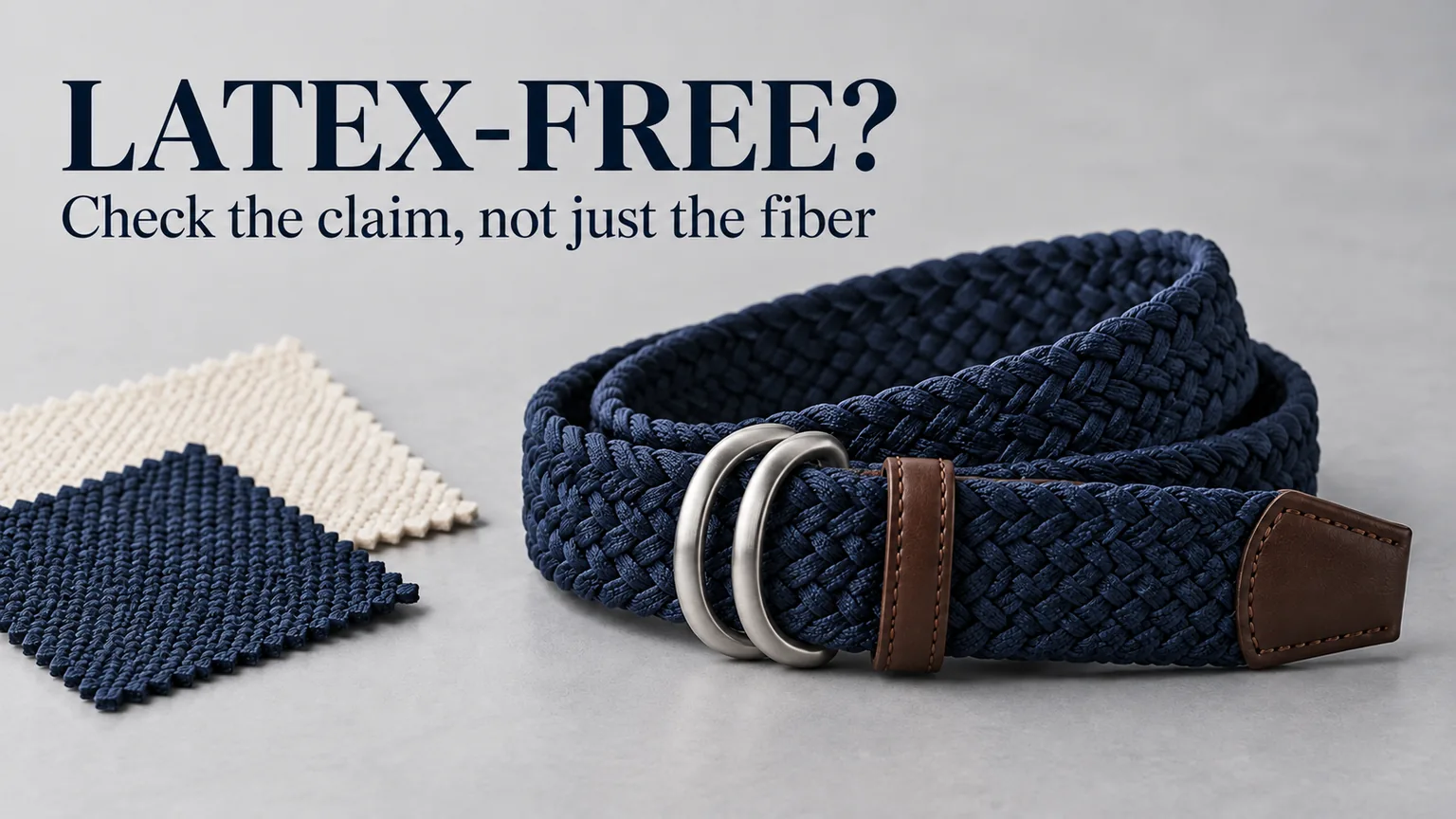
Can an elastic belt be called latex-free? Learn what component declarations and test reports support, and how to avoid an unsupported allergy-safety claim.
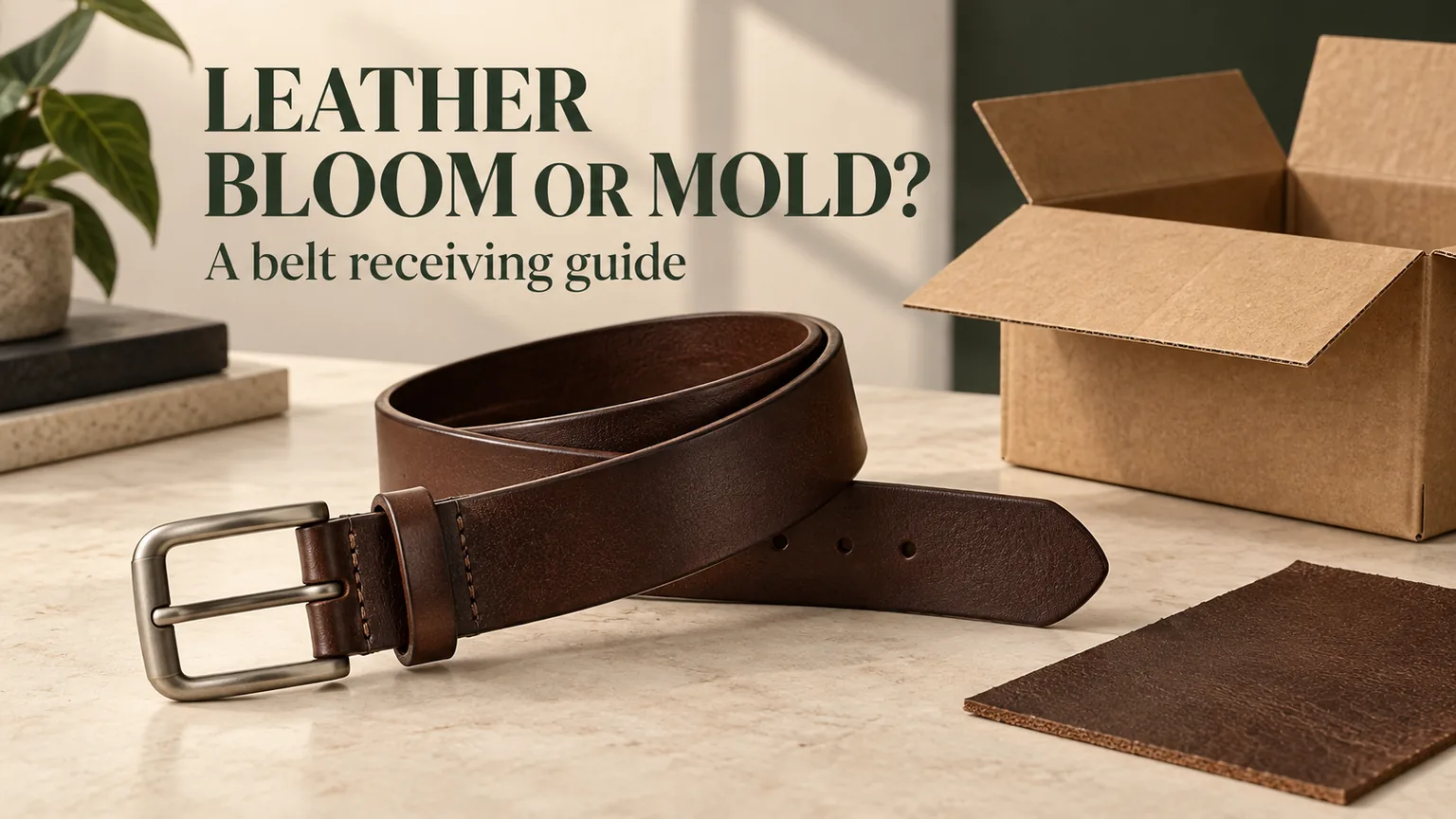
Separate possible leather bloom from suspected mold at receiving, preserve useful evidence, and decide what must be investigated before belt stock is released.
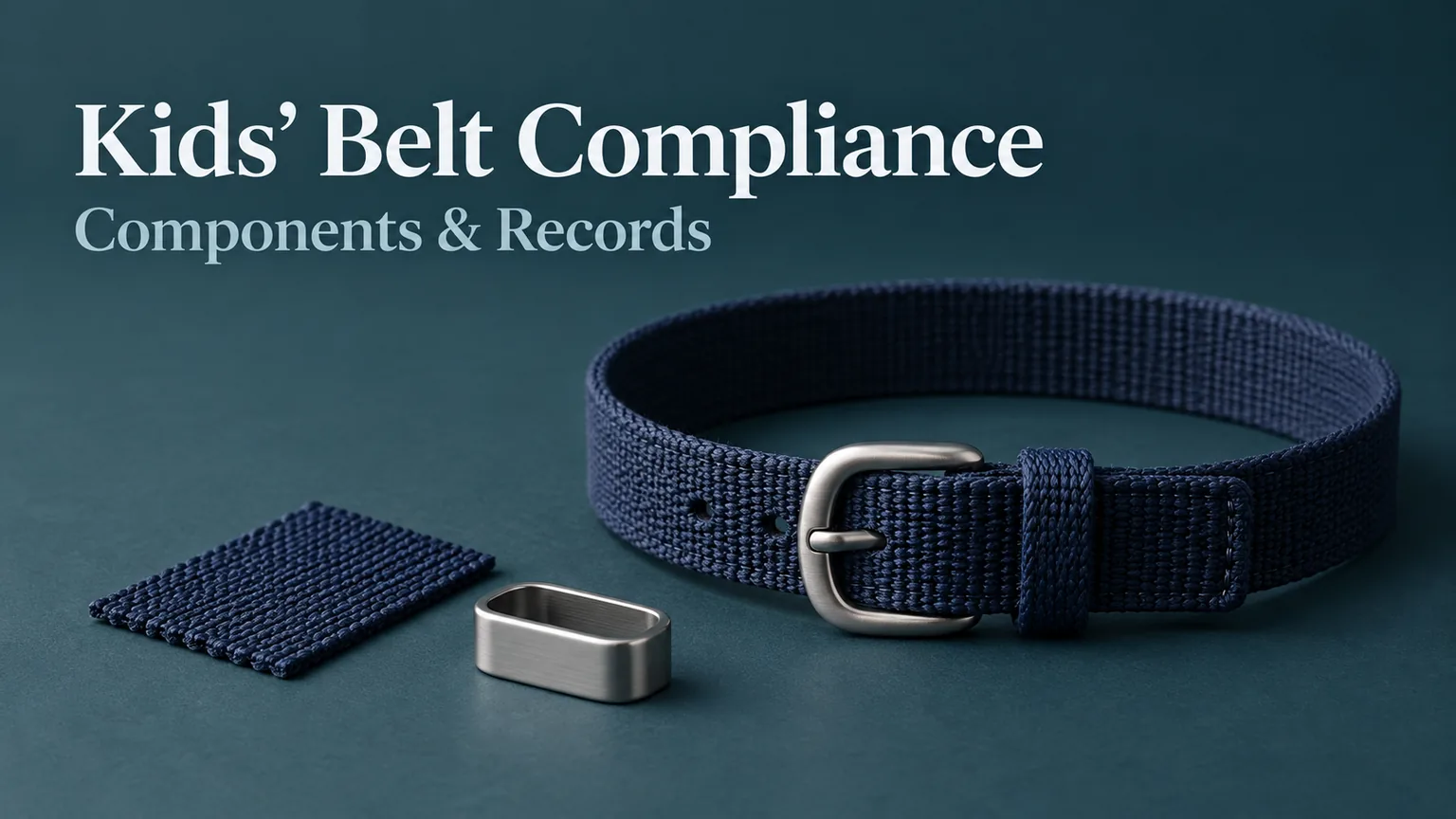
Scope CPSIA requirements for kids belts: lead, coating and phthalate rules, component reports, CPC responsibility, tracking marks and current import records.
Define a finished-belt pull test around the buckle, attachment, strap and adjustment point. Learn which results and failure details support approval.
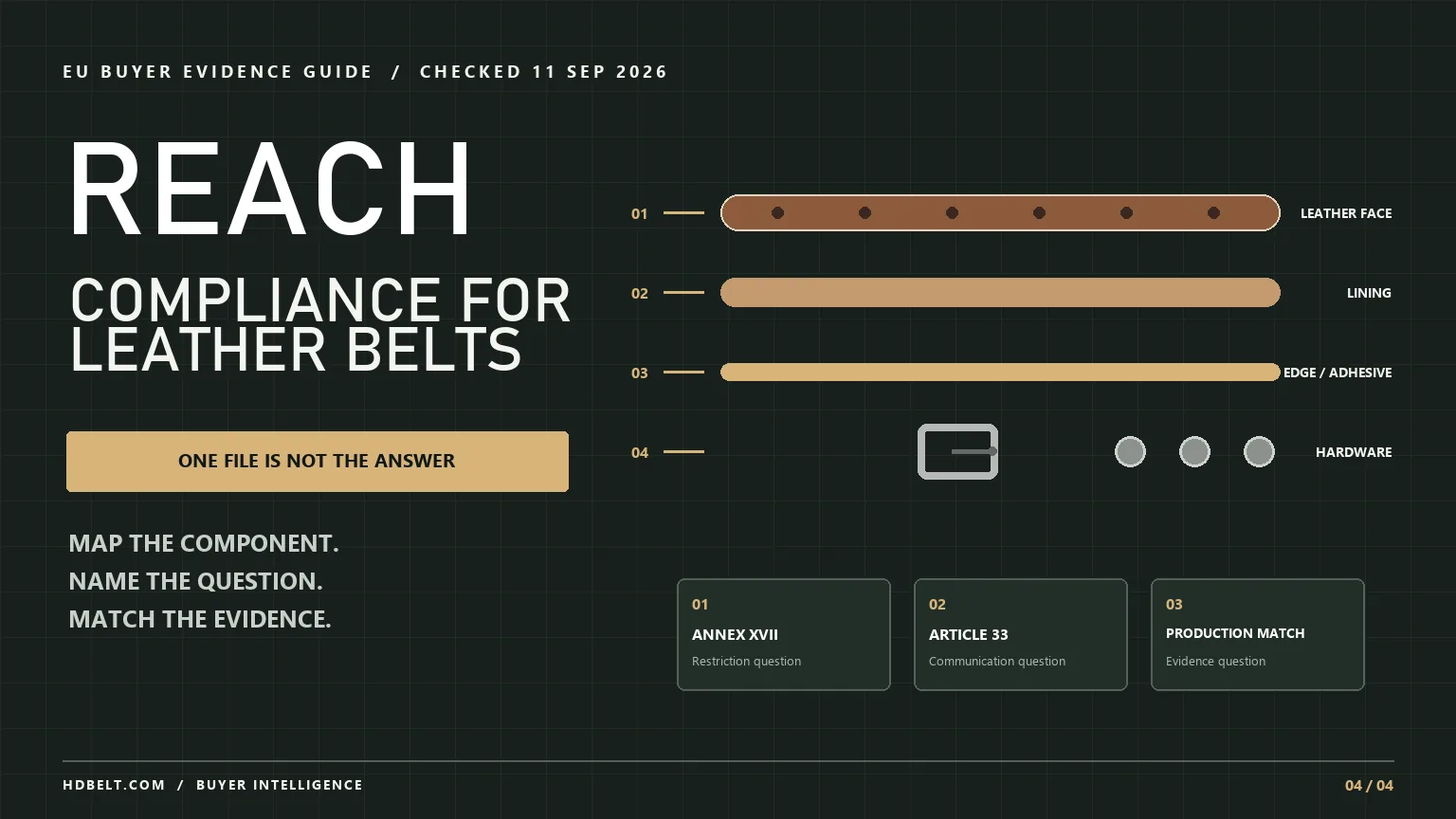
REACH compliance for leather belts starts with component mapping. Learn how to check Annex XVII, Article 33, declarations, test scope and change triggers.
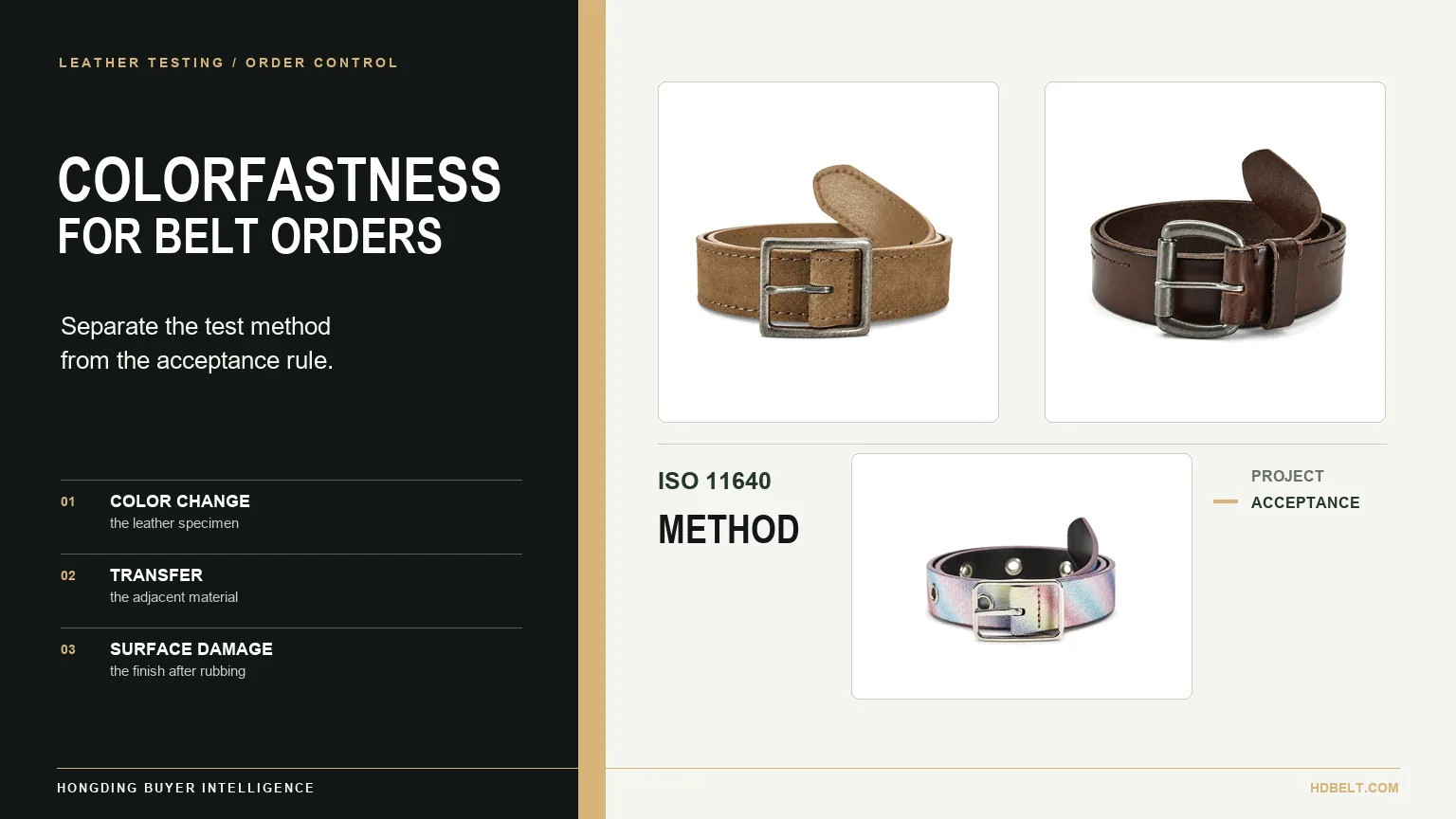
A buyer-focused guide to ISO 11640, ISO 20433 and ASTM leather rubbing methods, specimen instructions, separate report outputs and project-specific acceptance criteria.
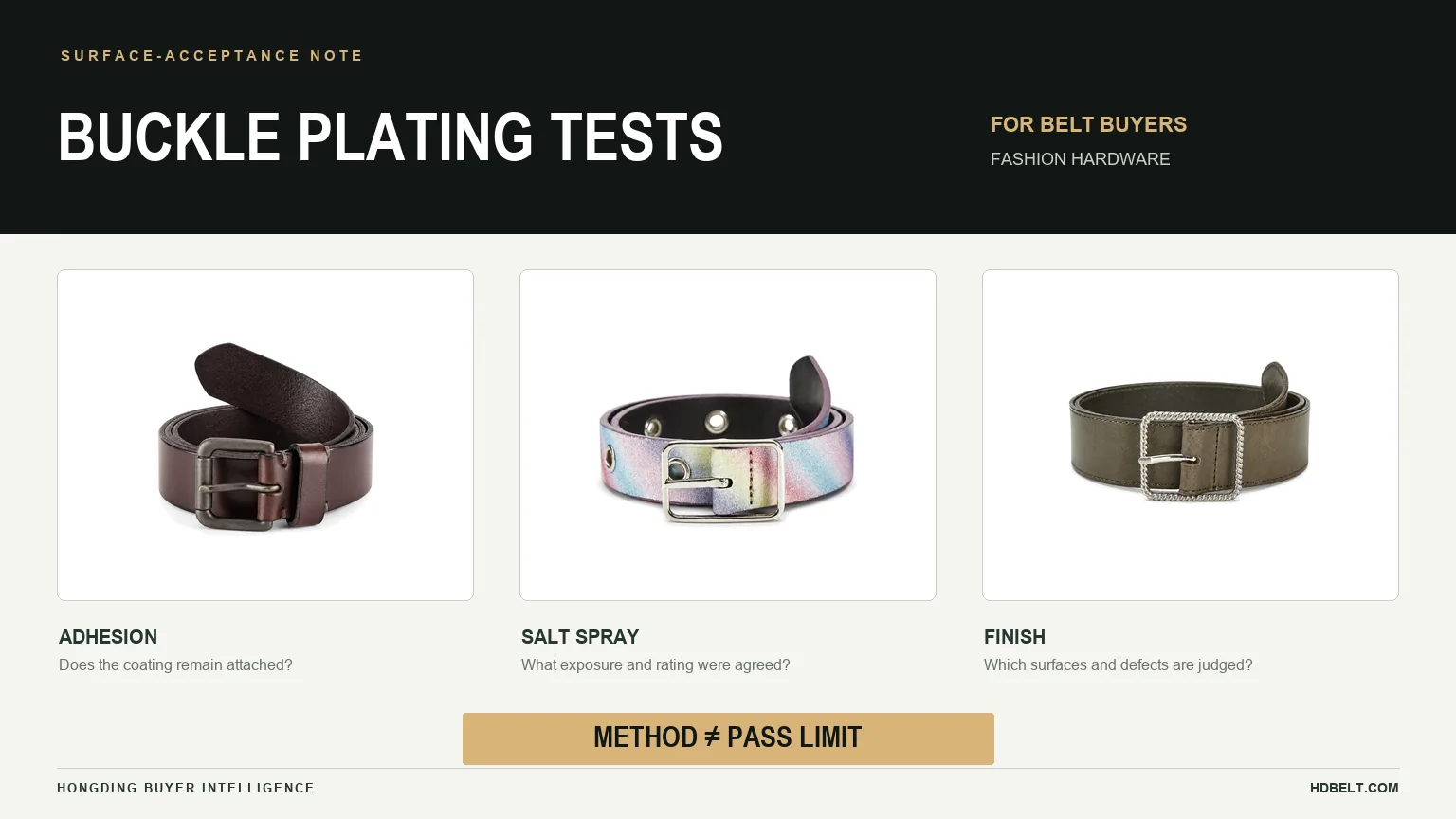
A buyer-focused method for defining decorative buckle plating, selecting adhesion and salt spray practices, setting project acceptance rules and reviewing laboratory evidence.
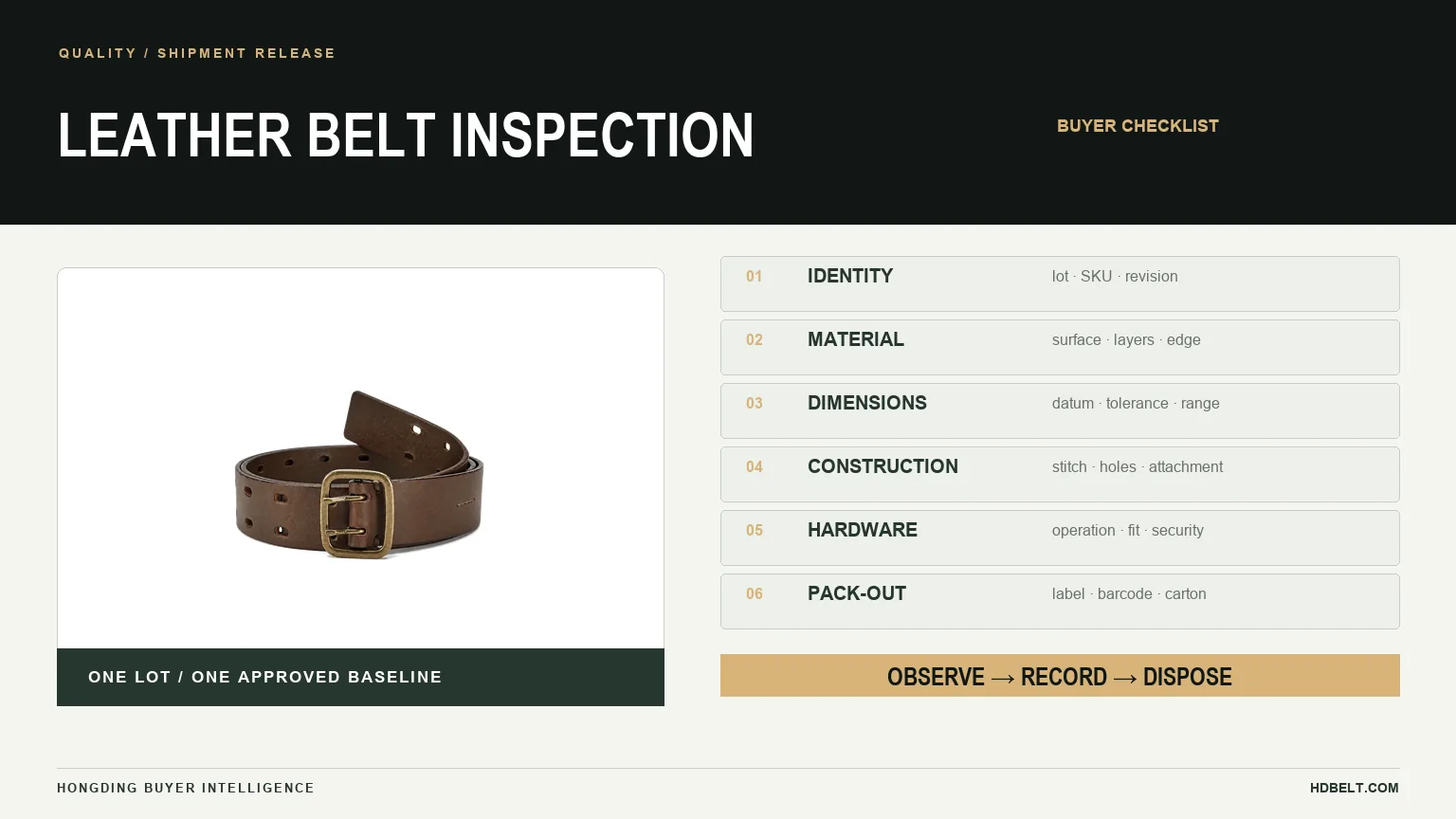
Inspect leather belt lots for material, size, stitching, buckle function, branding, packaging and release evidence with this B2B checklist.
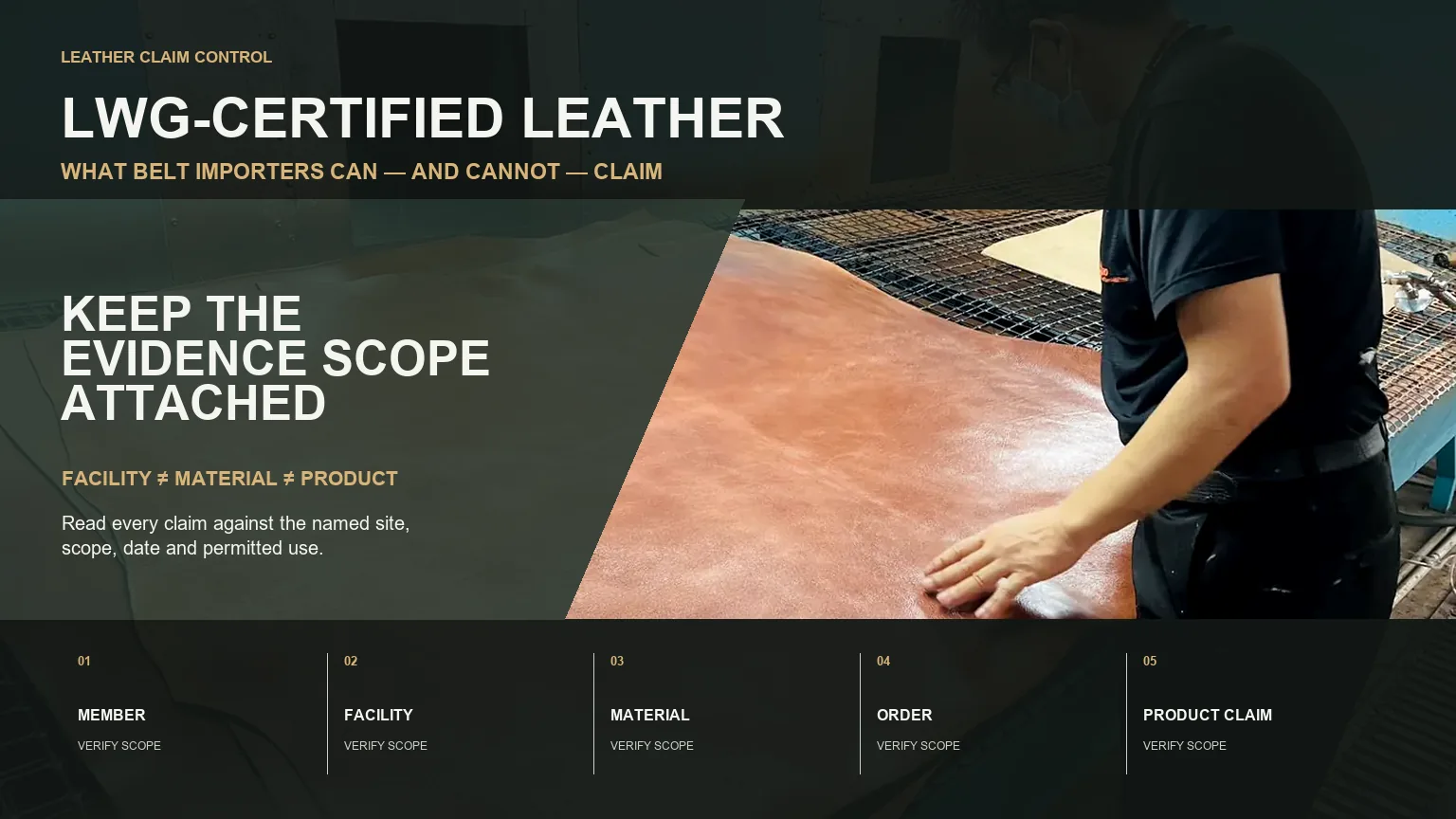
LWG-certified leather is facility evidence, not a belt badge. Learn how to verify the site, scope, article, order link, testing and public claim wording.
Send what you have. A useful first review connects your design intent, commercial plan and evidence requirements before pricing or timing is treated as final.