EN
Western Craft and Hardware Programs
Western and Rodeo Belt Manufacturer for Custom Retail Collections
HongDing develops wholesale western belts for country retailers, fashion brands and private-label collections. We turn the approved artwork, leather, strap proportions, tooling, ornaments and buckle set into a sample that buyers can review before production.
- Tooling route and artwork revision controlled
- Buckle and ornament interfaces approved
- Project-specific MOQ and timing
Eight Western Belt Directions for Custom Collections
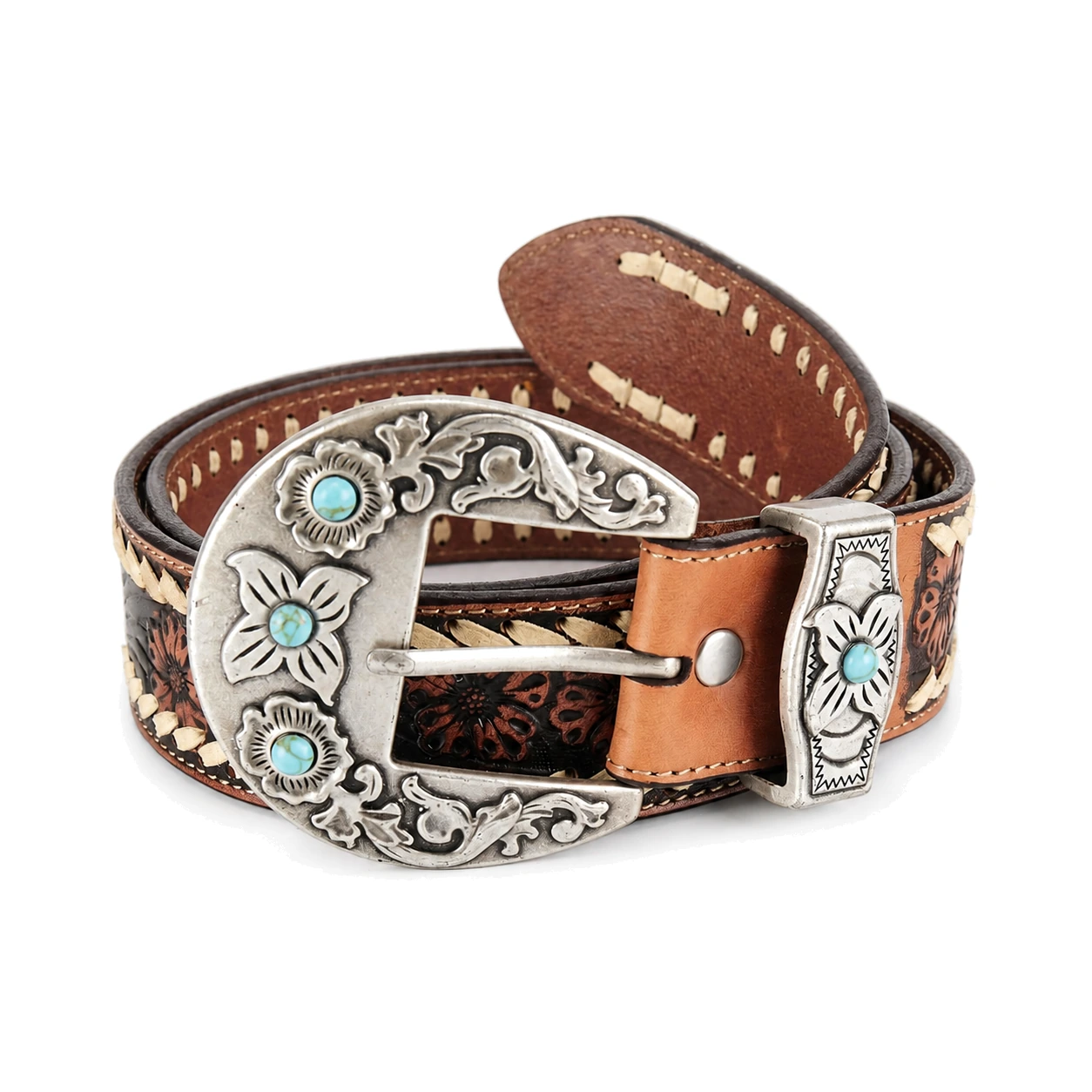
Compare tooling, conchos, studs, embroidery and interchangeable-buckle styles for different retail positions. Final artwork, leather, hardware and finishing are confirmed through project samples.
What Must a Western Belt RFQ Define
A useful western belt brief separates the style idea from the details that affect cost and repeatability. A reference image can start the discussion, but the quotation still needs dimensions, authorized artwork and component information.
Name traditional, quiet, festival, rodeo, work-western or another controlled direction, plus the buyer type, target price architecture and intended garment.
Frames the assortmentProvide the article or reference, layer construction, temper direction, width, thickness method, body shape, edge system and finished-size basis.
Frames the structural BOMAttach authorized artwork and identify hand tooling, stamping, plate embossing, stitching, lacing or inlay as separate production routes.
Frames the visible craftSend buckle, snap, screw, concho, stud or stone references with geometry, placement, base material, finish direction and intended attachment.
Frames the interfacesDefine physical masters, permitted craft range, attachment checks, finish limits, artwork records, labels and protection for raised or heavy hardware.
Frames bulk approvalThe leather article, artwork, impression route, border field, registration and antique finish range form one repeatable surface system.
For heritage and country retailBring Tooling Artwork, a Reference Belt or Hardware Direction
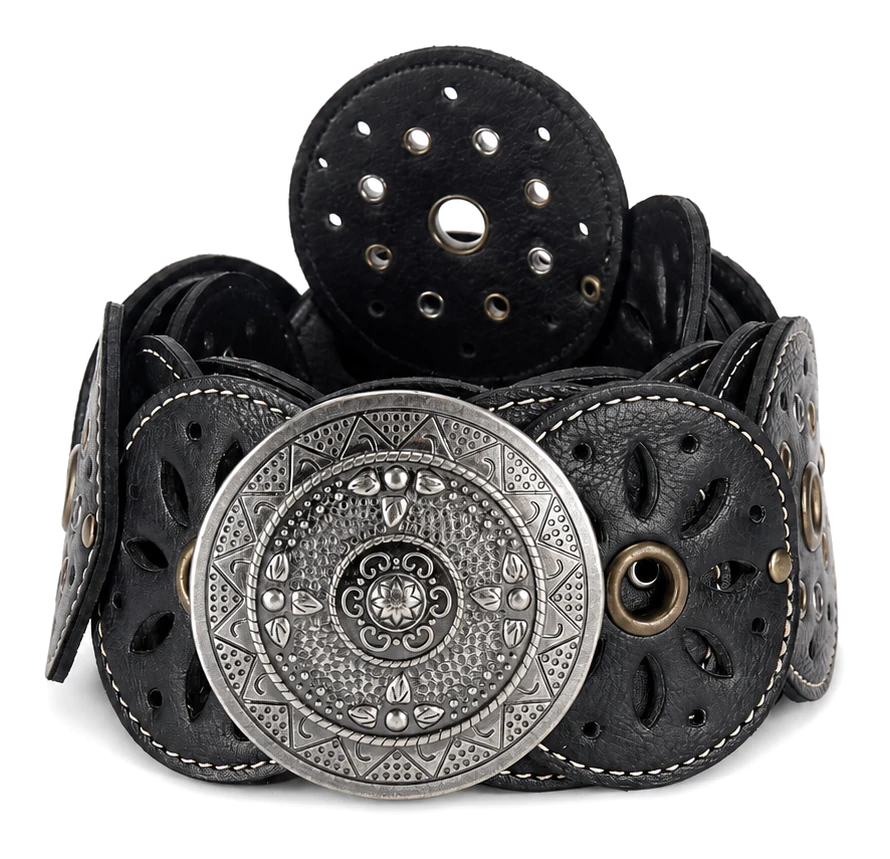
The best starting input may be an authorized artwork file, an existing belt, a buckle set or a merchandising brief. Each input opens a different development path and leaves different questions unresolved.
Artwork-Led Start
Review scale, repeat, registration, border, size grading, rights and the production method that can reproduce the intended depth and character.
Output: controlled artwork and craft routeReference-Belt Start
Measure proportion, layers, tooling field, buckle interface and decoration placement, then document any inaccessible or unverified feature as an open decision.
Output: reverse-engineering question listHardware-Led Start
Build strap width, fold, billet, keeper, holes and decoration clearance around the actual buckle set, concho or attachment geometry.
Output: controlled mating-interface fileCountry Retail
Control assortment roles, width, finish families, size-color allocation, SKU labeling and reorder references across core and statement styles.
Width and Structure Begin with the Garment and Buckle
Western belt proportions should start with the target garment loop, decoration area and actual buckle set. A familiar width label does not guarantee that the finished belt will pass through the loop or look balanced.
Input 01
Garment Input
Target loop opening, garment thickness, wearing position, desired projection and any restriction on buckle or ornament height.
Input 02
Buckle Input
Inside width, bar and pin geometry, frame clearance, mass, snap or screw interface and approved orientation.
Input 03
Strap Output
Dimensioned cross-section, layers, width, thickness method, body transitions, fold, keeper and finished-size datums.
Input 04
Craft Output
Authorized artwork field, border clearance, start and stop points, registration, finish range and prohibited defects.
Input 05
Face Leather Article
Supplier or source, article, tannage and finish route, cut zone, thickness method, temper, shade and natural-mark boundary.
Input 06
Lining and Reinforcement
Material identity, thickness, orientation, bond route, stiffness contribution and any coverage change around the fold or decoration.
Build the Strap End around the Actual Buckle Set
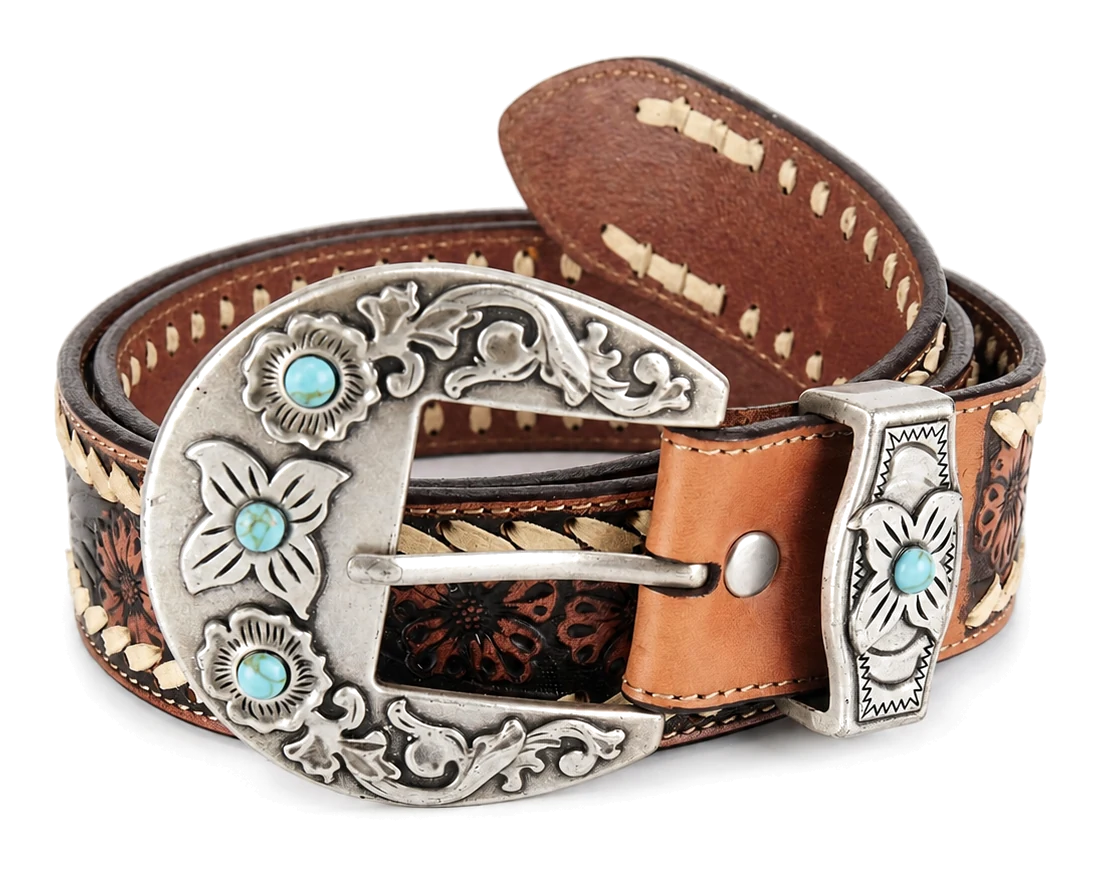
The buckle set affects the strap end, fold, snaps, holes and overall balance. Develop the belt around the actual buckle dimensions and weight, not a generic buckle description.
Buckle Envelope
Record outer profile, inside width, curvature, projection, mass and all wearer or garment contact points.
Input to strap proportionBar and Pin
Record bar width and diameter, pin length and travel, frame clearance and the relationship to the selected hole layout.
Input to operationFold and Fastener
Record layer stack, residual thickness, snap or screw identity, coordinates, backing, tightening or setting route and inspection access.
Input to attachmentRemovable-Buckle User Route
Define how the buckle is changed, which compatible models are listed, what instructions are provided and which combinations are excluded.
Input to retail communicationUse Six Approval Gates from Artwork to Revalidated Bulk
A gate-based process prevents a visually attractive sample from being mistaken for complete production approval. Each gate closes a defined uncertainty and records who approved the output.
Gate 1: Assortment and Rights
Confirm channel, wearer, style roles, authorized artwork, target garment, supplied references, quantity architecture and excluded performance claims.
Gate 2: Construction and Proportion
Lock leather direction, layers, width, finished-size basis, body geometry, buckle interface and decoration field before tools are finalized.
Gate 3: Tools and Components
Approve artwork revision, tooling route, tool terms, buckle set, conchos, ornaments, fasteners, finish direction and placement map.
Gate 4: Physical Sample
Review fit, proportion, tooling range, finish, operation, attachment, backside comfort and pack behavior on production-intent materials.
Gate 5: Golden Sample Freeze
Sign off the full product, craft boundary masters, BOM, drawings, tests, labels, packaging and inspection criteria.
Gate 6: Bulk and Reorder Release
Inspect current materials, components and work against the approved file, then revalidate affected evidence before any substitution or repeat order.
Credentials and Systems Relevant to Buyer Review
For each credential, check the named holder, factory or facility, assessment scope and validity period. Our team can provide the records relevant to your project for review.
 SMETAReview scope
Confirm the report holder, audited site, assessment scope and current review date for the buyer program.
 SedexReview scope
Platform participation supports supply-chain review but is not presented as a product certificate.
 Leather Working GroupReview scope
Connect the evidence to the named leather facility, certified scope and current validity.
 Better Work CambodiaReview scope
Confirm the named Cambodia facility, review period and applicable program scope.
 Global Security VerificationReview scope
Review the applicable site, security scope and validity before relying on the record.
Selected Brands and Retailers We Have Worked With
TRUSTED BY
A selection of brands and retailers connected with past programs. Project scope varies by customer, market and period.




Resolve Western Belt Questions before Sample Approval
These answers focus on the craft, hardware, rights and approval questions that make western belt programs distinct. Final values and evidence belong in the buyer-approved project file.
Start Your Western Belt Program
Share your artwork, belt reference, leather direction and buckle set. HongDing will identify the tooling, construction and approval details still needed for a reliable quotation.