
EN
Retail RFP to Receiving File
Belt Supply Programs for Big-Box Retail and Supermarkets
Big-box retail programs work best when the retailer's RFP, SKU list, packaging rules, barcode data, testing needs and delivery requirements are reviewed together. HongDing helps turn those inputs into a clear product and order plan, with project-specific feasibility, capacity and timing confirmed in writing.
- Site approval stays separate from product approval
- Buyer-issued item data maps to each production SKU
- Capacity and dates require written order confirmation
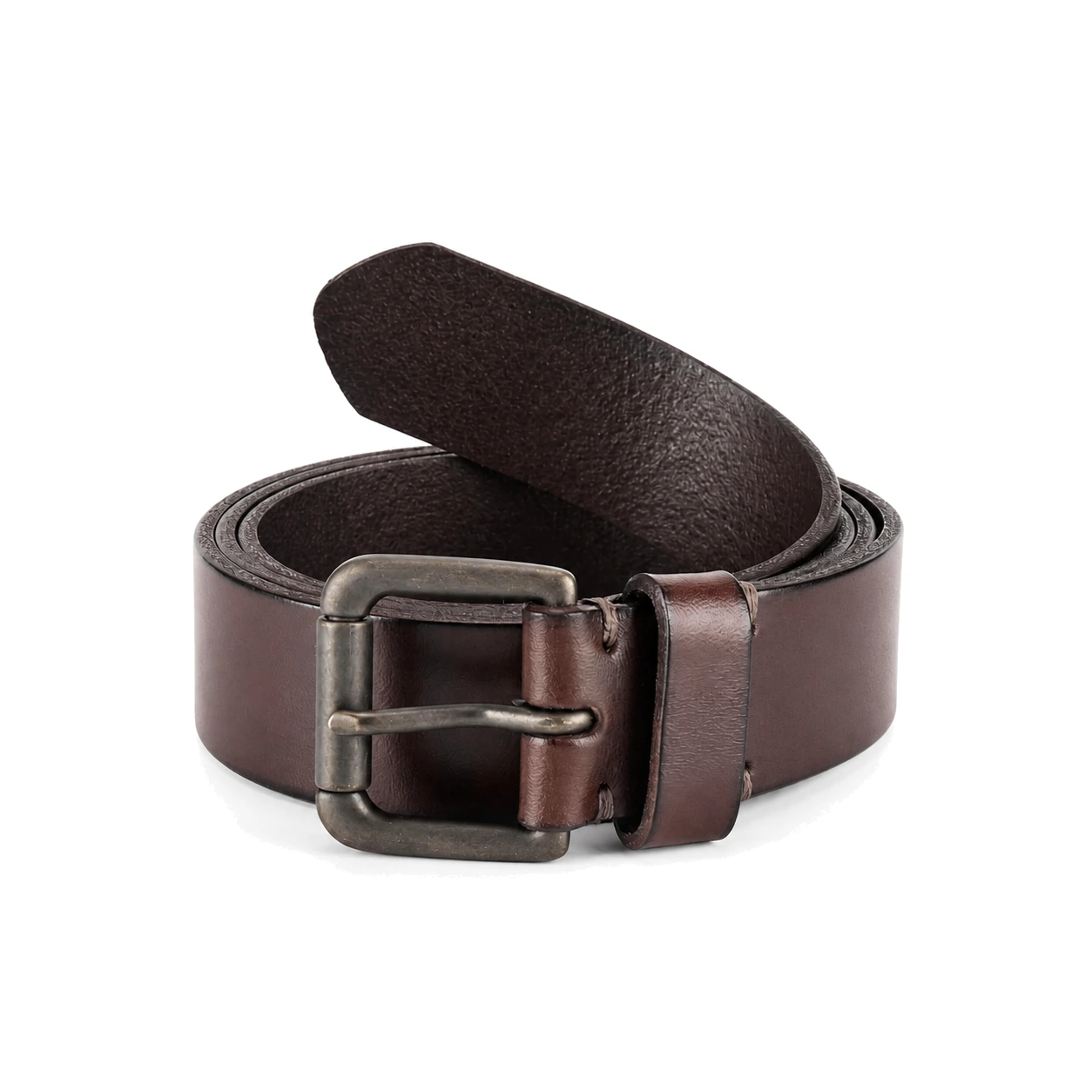
Turn the Retailer's RFP into One Working Order File
Bring the RFP, SKU matrix, vendor requirements, packaging rules and delivery plan into one working file so every team is reviewing the same order.
RFP and Vendor Intake
Index the product brief, proposed production site, supplier questionnaire, retailer manual, required dates and unresolved onboarding items. Output: owner-and-due-date gap register
SKU and Assortment File
List every style, color, size, material, hardware, label and pack variant with quantity and relationship to the purchase order. Output: reconciled production SKU matrix
Product and Test File
Connect specifications, physical samples, target market, retailer methods, laboratory reports and accepted deviations to the exact SKU or component. Output: matched specification, sample and test records
Item Data and Pack File
Map buyer-issued GTIN or item values, artwork, pack ratio, carton labels and routing instructions to the approved assortment. Output: product-to-receiving data map
Capacity and Milestone Response
Build the schedule from confirmed quantities, inputs, line and packing work, approval dates, inspection and transport handoffs. Output: order-specific feasibility plan
Release and Reorder Record
Record inspection disposition, pack reconciliation, shipment-file handoff, discrepancies and changes that must be reviewed before a repeat. Output: traceable order closeout
Assign an Input, Owner and Approval to Every Retail Requirement
For each retail requirement, name the buyer input, the HongDing action, the approval owner and the record needed before release.
Vendor-Site Acceptance
Legal entity, address, activity scope, current document status, corrective actions and buyer-specific onboarding remain tied to the proposed site. Review output: site qualification index
Product Identity
Measurements, BOM, material and hardware articles, physical sample, approved deviations and revision history define the selling SKU. Review output: controlled product file
Market and Retailer Testing
Product or component, sample state, method, laboratory or report source, acceptance limit and final claim are stated together. Review output: scoped test and claim matrix
Retail Packaging Accuracy
Buyer-issued item data, labels, artwork, pack ratios, carton marks and scan method are approved before packing. Review output: pack and data release
Order Feasibility
Quantities, materials, tooling, production and pack work, inspection hold points and requested handoff dates form the written plan. Review output: confirmed order schedule basis
Exception and Change Control
Late files, failed checks, substitutions, deviations and buyer decisions remain visible until resolved or formally accepted. Review output: current exception register
Select Retail Tests from the Exact Product, Market and Buyer Rule
Choose tests for the actual belt, component, target market and retailer requirement instead of applying a generic test list.
Metal Contact and Nickel Scope
Identify skin-contact parts, base material and finish, destination, applicable restriction or buyer method, conditioning, release limit and tested revision.
Decision: which components need evidenceChildren's Product Classification
Define intended age, use, product category, accessible components and the exact market or retailer rules before selecting tests or warnings.
Decision: which children's requirements applyMaterial and Chemical Restrictions
Map leather, synthetic layers, adhesives, coatings, textiles, inks and metal finishes to the applicable buyer list and market requirement.
Decision: article and sample coverageConstruction and Function
Choose checks for buckle attachment, strap layers, stitching or rivets, holes, mechanism, adjustment, dimensions or flexing according to actual use.
Decision: finished-product acceptanceClaims and Selling Copy
Connect material identity, origin, care, recycled or environmental wording and performance claims to the exact supporting record and final SKU.
Decision: which wording can be releasedPU and Vegan Routes
Specify the exact synthetic article, layers, reinforcement, finish, color, buckle, chemical scope and bounded claim wording.
Product decision: material identityAlign Packaging, Barcodes, Cartons and DC Receiving
A retail pack is ready only when the physical product, item data, barcode, pack hierarchy, carton marks and receiving instructions agree.
Freeze Product and Item Data
Connect the approved style, color, size and pack variant to the buyer-controlled item number, GTIN and current artwork revision. Gate: authorized product-to-data map
Approve Unit Labels and Pack
Review material and care copy, origin, size and color, brand, barcode placement, protection and individual pack on the physical product. Gate: consumer-unit pack master
Approve Assortment Logic
Define inner pack, style and size ratio, case quantity, sequence, exceptions and reconciliation to the purchase order. Gate: pack and carton quantity matrix
Approve Carton and Logistic Labels
Apply the buyer's current PO, destination, carton ID, quantity and symbology rules, with data and readability checks where agreed. Gate: test carton or logistic label
Reconcile Packed Goods
Compare product, label, barcode, individual pack, assortment, carton count, marks and inspection disposition before release. Gate: packing and inspection record
Hand Off Receiving Inputs
Assign which party supplies packing list, routing, booking, ASN or EDI data and confirm the accepted transmission point and exception path. Gate: shipment-file ownership record
Judge Retail Fit by the Working File, Not Supplier Scale
Assess the program through the files, samples and order records HongDing can provide for the proposed SKU range, not through unsupported scale claims.
Input 01
Belt-Specific Feasibility
The response converts the retailer's design and requirements into material, hardware, construction, test and pack decisions.
Input 02
Site-Specific Transparency
The quotation identifies the proposed facility role and provides current records only when holder, site, scope and sharing status are verified.
Input 03
SKU and Pack Discipline
The program connects each production variant to item data, physical masters, pack ratio, carton and inspection checks.
Input 04
Order-Specific Planning
Capacity and dates are built from quantity, input availability, work content, approvals, inspection and handoff rather than a headline number.
Input 05
Controlled Exceptions
Unavailable inputs, proposed substitutions, failed checks and late changes remain visible until buyer disposition.
Move from Retail RFP to Reorder through Eight Release Gates
Move the program forward through clear approval gates, from RFP review and sampling to packing, shipment release and repeat orders.
RFP and Routing Intake
Collect buyer manuals, product brief, quantities, target market, vendor checklist, test protocol, pack rules, destination and requested handoff.
SKU and Commercial Matrix
Map every variant, quantity, product assumption, tooling, test, inspection, packaging, freight responsibility and exclusion.
Vendor-Site Review
Confirm proposed entity and site, current document scope, corrective actions, sharing permission and buyer-specific onboarding gaps.
Product and Pack Sampling
Develop against controlled measurements, BOM, articles, masters, branding, labels and pack purpose with provisional points marked.
Test and Buyer Approval
Close product, report, claim, item-data, pack and carton decisions and record accepted deviations before order release.
Bulk and Inspection Planning
Confirm materials, production and packing work, hold points, inspection method, acceptance criteria and release authority.
Review Evidence That Matches the Retail Approval Decision
Before release, review the records that connect the approved product, tests, packaging and current order without assuming that one document covers everything.
Legal entity, address, manufacturing activity, document holder, scope, validity or status, corrective actions and buyer acceptance.
Supports: proposed supplier-site decisionMeasurements, BOM, articles, physical sample, approved deviations, revision, size and color mapping for the exact selling item.
Supports: product identity and bulk baselineMarket, product or component, method, sample state, report, result, limit and final approved label or listing wording.
Supports: bounded product decisionAuthorized item values, barcode artwork, scan check, labels, pack ratio, carton specification, marks and assortment map.
Supports: receiving-data accuracyQuantity by SKU, input readiness, site and work allocation, critical dates, inspection hold points, contingency and owners.
Supports: order-specific feasibilityNamed order or lot, method, sample plan or agreed full checks, findings, exceptions, disposition and release authority.
Supports: shipment release within inspected scopeRetail Belt Questions before Supplier and Order Approval
These answers cover the retailer inputs buyers most often need to confirm, including RFP files, barcodes, packaging, tests, assortment planning and reorders.
Review a Retail Belt RFP with the Complete Receiving Inputs
Send the retailer RFP, SKU matrix, packaging rules and available vendor files. HongDing can identify missing inputs and prepare a practical route for feasibility and quotation review.