Points clés à retenir
- Le terme détermine qui porte le risque, et pas seulement qui paie. En FOB, le risque et le coût sont transférés à l’acheteur au moment où les marchandises sont chargées sur le navire au port d’origine ; en DDP, le vendeur assume tout — fret, dédouanement à l’importation, droits de douane — jusqu’à ce que les marchandises soient disponibles à votre destination désignée.
- Chaque coût compris dans un devis DDP existe aussi en FOB. La seule différence est de savoir si le fret maritime, l’assurance, les frais à destination et les droits de douane figurent sur la facture du vendeur ou sont répartis entre les factures de votre transitaire et de votre courtier. Comparez le coût rendu au coût rendu, jamais facture à facture.
- Un devis DDP ne vaut que par son estimation des droits de douane. Les droits de douane à l’importation sur les ceintures dépendent de la construction matérielle de chaque modèle, et un prix DDP fondé sur une classification devinée est un coût différé, pas une économie.
- Faites correspondre le terme à votre infrastructure. Les acheteurs qui travaillent déjà avec un transitaire et un courtier en douane gardent généralement le contrôle en FOB ; les importateurs débutants et les commandes ponctuelles paient généralement un supplément raisonnable pour la simplicité du DDP.
- Les termes sont fixés par programme. Les Incoterms, les modalités de fret et le paiement d’une commande de ceintures sont confirmés par écrit avec l’usine pour cette commande. Un fournisseur qui promet tous les termes pour chaque programme n’a pas vérifié le fret.
Ce que couvre ce guide
Demandez à une salle d'acheteurs à l'import sur quel terme de commerce ils achètent des ceintures, et la plupart répondront sans hésiter — FOB, généralement, parce que c'est ce que le secteur a toujours fait. Demandez à la même salle qui payait lorsque le conteneur restait au port de destination en accumulant des frais de stockage, ou lorsque la classification tarifaire d'une commande en matériaux mixtes s'avérait erronée, et les réponses se font plus discrètes. Le terme imprimé sur la facture règle ces questions à l'avance ; le problème est que la plupart des acheteurs le lisent comme une étiquette de prix plutôt que comme une carte des responsabilités.
En bref : FOB et DDP ne sont pas deux niveaux de prix pour les mêmes marchandises. Ce sont deux réponses différentes à la question de savoir qui supporte quel coût et quel risque, et jusqu'à quand. En FOB, la responsabilité du vendeur s'étend jusqu'au chargement des marchandises sur le navire au port d'expédition désigné ; tout ce qui suit — fret maritime, assurance, dédouanement à l'importation, droits de douane — incombe à l'acheteur.
En DDP, le vendeur conserve toute la chaîne, y compris le dédouanement à l'importation et le paiement des droits, jusqu'à ce que les marchandises soient disponibles à la destination désignée. Aucun des deux n'est automatiquement moins cher. Lequel convient à votre commande dépend de la question de savoir si vous disposez de votre propre infrastructure de fret et de douane, et de la confiance que vous accordez au calcul des droits du vendeur.
Ce guide est écrit du côté usine de ce transfert. HongDing assure le développement et la fabrication de ceintures sur mesure pour des marques, des détaillants, des grossistes et des équipes d'approvisionnement, ce qui signifie que nous sommes exactement là où ces termes sont négociés et chiffrés. Une chose est dite d'emblée : les termes qui s'appliquent à une commande donnée sont confirmés par programme, par écrit. Cet article explique la mécanique du choix — et non un menu fixe de termes qu'une usine propose.
Où FOB se termine et où DDP commence
FOB et DDP se situent aux deux extrémités des obligations du vendeur selon les règles Incoterms — les définitions commerciales standard publiées par la Chambre de commerce internationale auxquelles la plupart des contrats commerciaux se réfèrent. Tout ce qui se trouve entre les deux est une question de degré ; les deux extrémités diffèrent par nature.
FOB (Free On Board) désigne un port d'expédition. Le vendeur livre les marchandises à bord du navire désigné par l'acheteur, dédouane les marchandises à l'exportation et remet les documents d'expédition. À partir du moment où les ceintures sont à bord, les marchandises appartiennent à l'acheteur : contrat de fret de l'acheteur, décision d'assurance de l'acheteur, dédouanement à l'importation de l'acheteur, facture de droits de douane de l'acheteur. Si quelque chose arrive au conteneur après le chargement, la perte retombe du côté acheteur de la ligne — ce qui est exactement la raison d'être de l'assurance maritime sur facultés.
DDP (Delivered Duty Paid) désigne une destination. Le vendeur contracte et paie le fret, dédouane les marchandises à l'importation, paie les droits et taxes, et livre au lieu convenu — votre entrepôt, votre 3PL, un terminal désigné — avec les marchandises disponibles pour le déchargement. Le vendeur assume l'obligation maximale de tout terme ; l'acheteur n'en assume presque aucune jusqu'à la remise. La commodité est réelle, et la dépendance l'est aussi : votre date de livraison repose désormais sur le réseau de fret du vendeur et sur ses dispositions douanières dans votre pays.
Le tableau est pour un survol rapide ; les petits caractères en dessous indiquent où l'argent se déplace réellement. Lisez les deux avant de comparer deux devis.
| Dimension | FOB | DDP |
|---|---|---|
| Lieu désigné dans le devis | Un port d’expédition (côté origine) | Un lieu de destination (pays de l’acheteur) |
| La livraison a lieu lorsque | Les marchandises sont chargées à bord du navire | Les marchandises sont disponibles à la destination, dédouanées et droits acquittés |
| Le risque est transféré à l’acheteur | Au chargement à bord, port d’origine | À la livraison à la destination désignée |
| Dédouanement à l’exportation et documents | Vendeur | Vendeur |
| Fret maritime | Acheteur (désigne le navire) | Vendeur |
| Assurance de la cargaison | L’acheteur décide et paie | Dans le prix du vendeur |
| Dédouanement à l’importation et droits de douane | Acheteur | Vendeur |
| Qui choisit le transitaire/transporteur | Acheteur | Vendeur |
| Ce que couvre la facture | Marchandises plus frais jusqu’au chargement à bord | Marchandises plus tous les coûts jusqu’à la destination désignée |
| Où se cache le risque | Les lignes côté acheteur que le prix FOB ne fait jamais apparaître | L’estimation des droits de douane et le courtier à destination que vous n’avez jamais choisi |
Une asymétrie qu’il vaut la peine de nommer : sous FOB, vous contrôlez l’expédition maritime — le transitaire, l’itinéraire, la fenêtre de réservation — et une équipe import compétente fera souvent mieux que l’estimation de fret intégrée du vendeur. Sous DDP, vous avez acheté la chaîne logistique du vendeur comme un ensemble, y compris des sous-traitants côté destination que vous n’avez jamais évalués. Quand la chaîne fonctionne, le DDP se résume à une facture et à une livraison ; quand elle casse, le chemin de la responsabilité passe par une partie que vous ne pouvez pas appeler directement.
Cet arbitrage — contrôle contre commodité — résume toute la décision, et le reste de ce guide n’est qu’une arithmétique autour de celui-ci.
La matrice des coûts et des responsabilités : chaque ligne, les deux devis
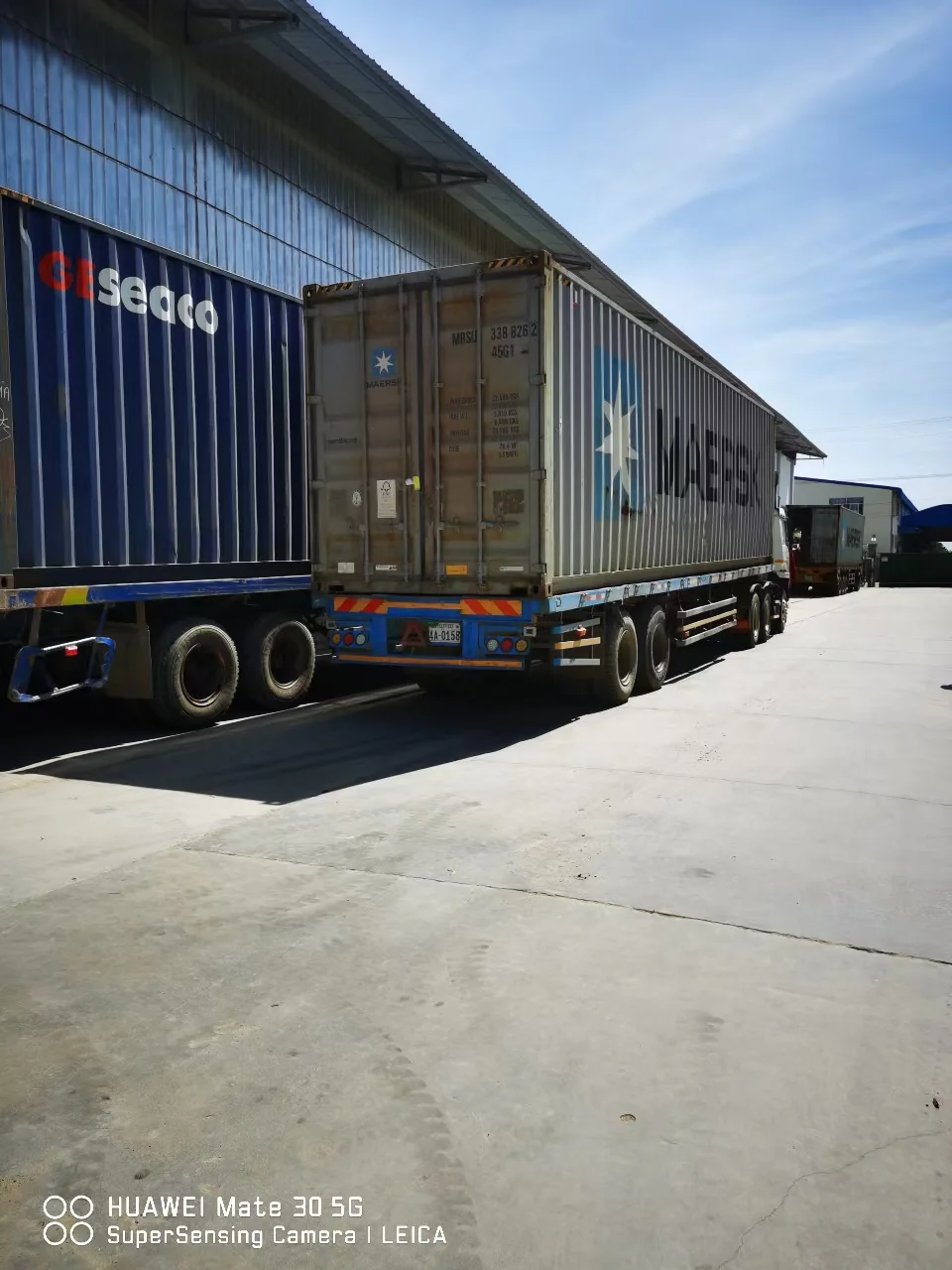
Les litiges sur le coût rendu ne portent presque jamais sur le prix de la ceinture. Ils portent sur les lignes qui l’entourent — des frais que quelqu’un paie toujours, quel que soit le terme indiqué sur la facture. Cette matrice répertorie chaque ligne de coût d’une importation de ceintures et indique qui la paie selon chaque terme. Imprimez-la et vérifiez votre prochain devis par rapport à elle, ligne par ligne.
| Ligne de coût | En FOB | En DDP |
|---|---|---|
| Ceintures : production, emballage, cartons | Vendeur | Vendeur |
| Transport terrestre jusqu’au port d’origine | Vendeur | Vendeur |
| Dédouanement à l’export et documents | Vendeur | Vendeur |
| Manutention au port d’origine et chargement sur le navire | Vendeur | Vendeur |
| Fret maritime | Acheteur | Vendeur |
| Assurance maritime sur marchandises | Acheteur — facultatif de nom seulement | Vendeur, inclus dans le prix |
| Frais de port et de terminal à destination | Acheteur | Vendeur |
| Dédouanement à l’importation et frais de courtier en douane | Acheteur | Vendeur |
| Droits et taxes à l’importation | Acheteur | Vendeur |
| Livraison finale à votre entrepôt | Acheteur | Vendeur |
| Stockage et surestaries si le dédouanement traîne | Acheteur, à compter du chargement | Vendeur jusqu’à la livraison — confirmer par écrit le temps de franchise du conteneur |
À noter que qui paie et qui contrôle sont deux questions différentes. En FOB, vous payez les postes côté acheteur, mais vous choisissez qui s’en charge — votre transitaire, votre courtier, vos conditions d’assurance. En DDP, le vendeur les paie, avec des sous-traitants sélectionnés en votre nom. Si un courtier à destination dépose la déclaration avec une classification erronée, la facture de droits en DDP est le problème du vendeur — mais la faire corriger signifie tout de même que votre livraison est en retard. La facture répartit le coût ; le contrat répartit la douleur.
Un scénario concret : une commande de ceintures, chiffrée des deux façons
Prenons un programme de notre univers : un grossiste américain qui constitue un assortiment de ceintures en trois styles — une ceinture habillée en cuir pleine fleur, une ceinture décontractée délavée et une ceinture tressée — pour livraison à un entrepôt de la côte Est. La production suit d’abord son cours normal : les échantillons physiques prennent généralement 2 à 3 semaines, et la production en série est couramment planifiée à 60-90 jours une fois les matériaux et les approbations en place.
Ce sont des repères de planification, confirmés par écrit pour chaque commande. La question du fret se pose lorsque les marchandises sont terminées et que le conteneur se trouve à la zone de chargement de l’usine — et la même commande peut être chiffrée de deux façons.
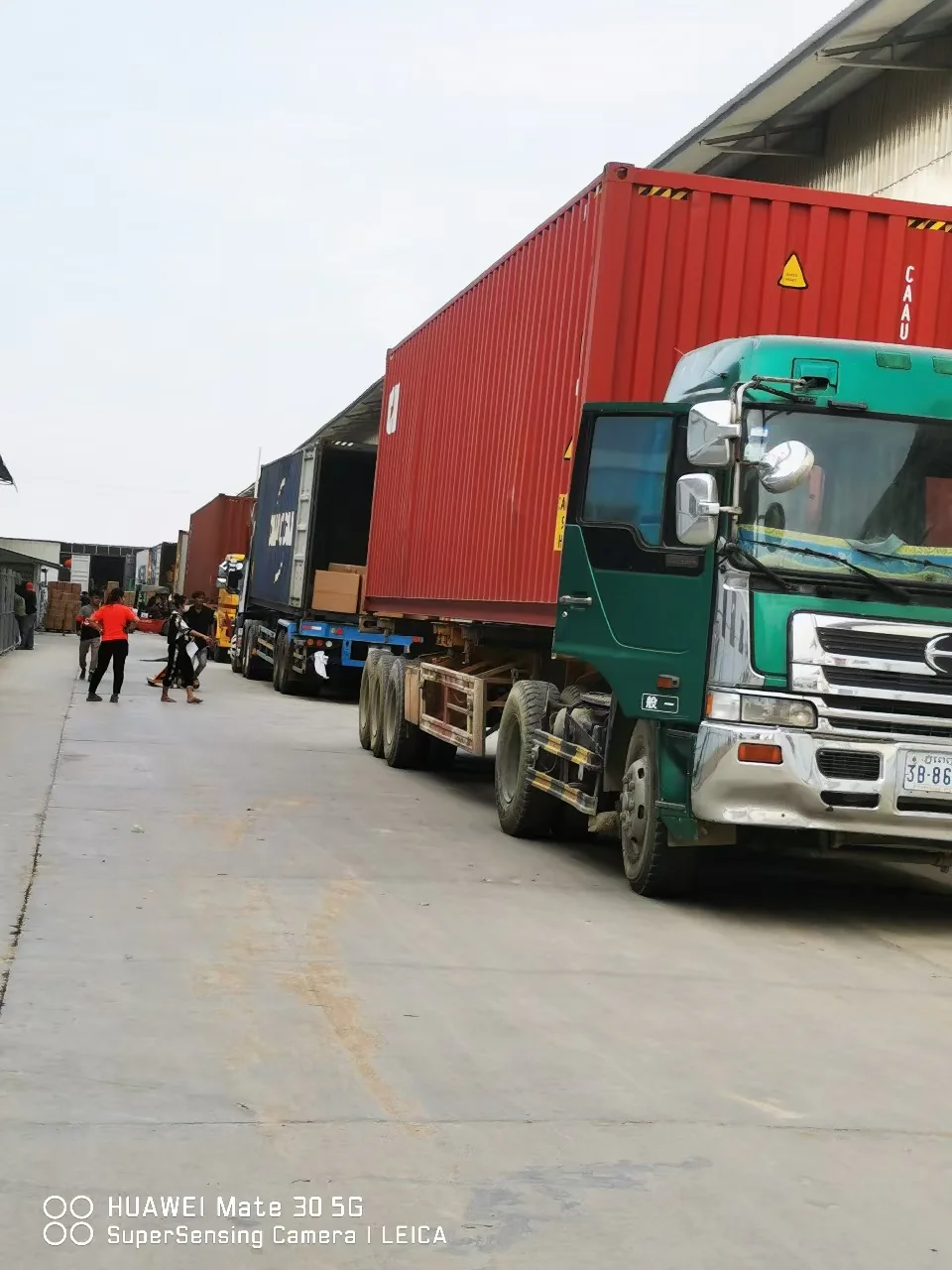
Le devis A arrive en FOB, port d’origine nommé. La facture du vendeur couvre les ceintures, l’emballage, le transport terrestre jusqu’au port, le dédouanement à l’exportation et le chargement — un seul montant. Le devis B arrive en DDP, entrepôt de la côte Est : les mêmes marchandises plus le fret maritime, l’assurance, les frais à destination, le dédouanement à l’importation et les droits — également un seul montant. Ces deux montants ne sont pas comparables, et les traiter comme s’ils l’étaient est l’erreur la plus courante et la plus coûteuse dans cette décision.
Voici la même commande présentée dans les deux formes de devis. Les chiffres sont des calculs arrondis, à titre illustratif, pour montrer la structure — il ne s’agit pas d’une offre. Les quantités, prix, droits et conditions d’un programme réel sont confirmés par commande.
| Ligne de coût | Devis A : FOB (à titre illustratif) | Devis B : DDP (à titre illustratif) |
|---|---|---|
| Ceintures : 3 modèles, emballées et mises en carton | $48,000 sur la facture du vendeur | Inclus dans un prix DDP unique |
| Acheminement jusqu’au port d’origine, dédouanement à l’exportation, chargement | Inclus dans le prix FOB | Incluses |
| Fret maritime jusqu’à la côte Est | Facture de votre transitaire : ~$3,800 | Incluses |
| Assurance maritime sur marchandises | ~$120 | Incluses |
| Frais de terminal à destination | ~$950 | Incluses |
| Courtier en douane et dédouanement à l’importation | ~$350 | Incluses |
| Droits d’importation (le taux suit la construction matérielle de chaque modèle) | ~$1,900 facturé avec la déclaration en douane | Inclus — estimé par le vendeur |
| Livraison finale à l'entrepôt | ~$600 | Incluses |
| Total rendu | ~$55,720, réparti sur quatre factures différentes | Un seul nombre : $56,400 dans cette illustration |
| Qui est responsable d'un problème en transit | Vous, à partir du chargement | Le vendeur, jusqu'à la livraison |
Trois choses que cette arithmétique met en évidence. Premièrement, la différence de ~$680 dans cette illustration est le prix de la responsabilité transférée — la marge tampon du vendeur sur la ligne des droits de douane et le fret, plus une marge pour la gestion de la chaîne. Que cela vaille la peine d'être payé est une décision commerciale, pas une erreur de calcul. Deuxièmement, le signe peut s'inverser : une usine qui regroupe le fret de nombreuses commandes à destination des États-Unis peut parfois intégrer un tarif maritime qu'un acheteur débutant ne peut pas égaler avec une réservation ponctuelle, et alors le DDP gagne réellement sur le coût ainsi que sur la commodité.
Troisièmement, la ligne des droits de douane est l'endroit où les devis DDP cachent leur risque — c'est la seule ligne que le vendeur estime plutôt qu'il ne l'achète, parce que le taux final dépend de la classification des marchandises, qui dépend de la construction matérielle de chaque style. Les constructions en cuir, textile et synthétique ne se classent pas de la même manière ; notre guide des matériaux pour ceintures en cuir couvre ces routes, et la question de la classification doit figurer par écrit avant qu'un prix DDP soit accepté.
Vous comparez actuellement les coûts rendus d'un programme de ceintures ?
Apportez votre échantillon de référence ou dossier technique, l'orientation matériaux et quincaillerie, la quantité et la répartition des SKU, ainsi que votre destination — y compris les conditions de fret que vous souhaitez faire chiffrer. La réponse comprend une tarification par style, un plan d'échantillonnage et le pack de conformité pertinent pour votre marché, avec les conditions applicables confirmées pour le programme plutôt que supposées.
Lequel devez-vous choisir : les verdicts
Les articles comparatifs qui refusent de répondre à la question posée dans leur propre titre sont inutiles. Voici la décision en quatre questions.
- Disposez-vous déjà d'un transitaire et d'un courtier en douane, avec un volume d'importation supérieur à cette commande ? Oui → FOB. Les importateurs établis sont généralement moins chers que les estimations intégrées d'un vendeur, et vous gardez le contrôle du calendrier de navigation et des conditions d'assurance. Non → DDP, et payez le surcoût en toute conscience : une erreur douanière d'un importateur débutant coûte bien plus que la marge.
- S'agit-il d'une petite commande expédiée en fret groupé plutôt qu'en conteneur complet ? Les petites réservations LCL sont là où les acheteurs ponctuels paient les pires tarifs de fret. Un vendeur qui regroupe de nombreuses commandes vers la même destination peut souvent mieux tarifer cet espace que vous ne pouvez le réserver — comparez le chiffre DDP à un devis réel de transitaire avant de supposer que le FOB est moins cher à petite échelle.
- Votre classification douanière est-elle compliquée ? Ceintures de construction mixte — lanière en cuir avec présence de textile, de synthétique ou de quincaillerie métallique notable — ne se classent pas comme de simples ceintures en cuir. Si le vendeur ne peut pas démontrer par écrit comment les marchandises seront classées pour votre marché, gardez les droits de douane de votre côté de la ligne (FOB), ou faites de la base de classement une condition écrite du prix DDP.
- La date de livraison compte-t-elle plus que les derniers pour cent — un lancement saisonnier, une date de mise en magasin ? Le DDP raccourcit la chaîne de coordination à une seule partie. Lorsqu'un lancement est en jeu, une chaîne divisée signifie deux parties qui se montrent mutuellement du doigt pendant que le conteneur reste immobilisé ; un seul responsable signifie une seule réponse.
Trois conclusions fermes pour clore les verdicts. Ne comparez jamais une facture FOB à une facture DDP comme s'il s'agissait du même type de chiffre — convertissez d'abord les deux en coût rendu. N'acceptez jamais un devis DDP qui ne précise pas par écrit la base de calcul de ses droits de douane ; une ligne de droits inexpliquée n'est pas un prix, c'est une supposition à votre nom. Et si vous êtes un importateur établi avec un volume régulier, le FOB est la valeur par défaut rationnelle — la charge de la preuve incombe à tout devis DDP pour battre votre propre calcul de coût rendu.
Où les devis DDP dérapent — et ce qu'il faut faire figurer par écrit
Les échecs en DDP suivent une courte liste de schémas. Chacun peut être évité par une phrase dans le contrat.
- L'estimation des droits de douane. Le prix DDP inclut une estimation des droits de douane fondée sur un classement supposé. Si l'hypothèse est erronée, le coût apparaît après l'arrivée des marchandises — sous forme de facture révisée, de note de douane ou de blocage à la livraison. La solution : la base du classement, par écrit, avant l'acceptation du devis.
- L'importateur enregistré et la caution douanière. Importer aux États-Unis implique une déclaration en douane déposée sous un importateur enregistré, avec une caution douanière en place. Dans le cadre d'un accord DDP, il vaut la peine de convenir par écrit qui fournit la caution et quels détails figurent sur la déclaration — c'est exactement le petit caractère qui transforme une livraison “ entièrement prise en charge ” en litige documentaire.
- Le temps libre et les surestaries. Les règles Incoterms définissent le moment où la livraison a lieu ; elles n'arbitrent pas chaque refacturation. Un conteneur qui dépasse le temps libre au port de destination accumule des frais quotidiennement. En DDP, c'est le problème du vendeur jusqu'à la livraison — à condition que le contrat le prévoie. Convenez du temps libre du conteneur et de la règle de refacturation avant de signer, pas après la première facture de magasinage.
- Le courtier invisible. Le DDP signifie généralement que le vendeur sous-traite le dédouanement à destination à un courtier dans votre pays que vous n'avez pas choisi et que vous ne pouvez pas appeler. Demandez le nom à l'avance ; un vendeur qui ne peut pas nommer son courtier à destination n'a pas encore mérité une décision de confiance en DDP.
- Le calendrier de l'inspection. En FOB, vous êtes propriétaire des marchandises à partir du chargement, ce qui signifie qu’un défaut constaté dans votre entrepôt est constaté par le propriétaire — vous. L’inspection avant expédition à l’usine, par rapport à l’échantillon de référence approuvé, est une pratique standard sur les programmes de ceintures sous n’importe quel terme ; notre processus d’échantillonnage et d’approbation et processus de fabrication décrivent comment ce point de contrôle est exécuté avant même que les marchandises n’atteignent la zone de chargement.
Comment les conditions sont fixées dans un véritable programme de ceintures
Il n’y a pas de menu fixe. Pour une commande de ceintures, les Incoterms applicables et les modalités de fret sont confirmés par programme — ils dépendent de la destination, des quantités, des conditions de fret et de l’assortiment de produits, et ils sont fixés par écrit avec le devis. Ce qu’un acheteur peut maîtriser, c’est la précision de cette conversation.
Quatre précisions se rentabilisent. Nommez précisément le lieu : FOB désigne un port d’expédition, et un devis rédigé vaguement comme un enlèvement à l’usine est un arrangement différent avec une répartition des coûts différente. Précisez qui paie les frais de documentation et de manutention à l’origine, qui sont de petites lignes qui apparaissent comme des surprises. Fixez le temps de franchise du conteneur à destination et l’étape d’inspection avant chargement.
Et sous DDP, fixez la base des droits de douane et le dispositif d’importateur de référence. Un programme défini comme notre guide de vente en gros décrit — itinéraire des matériaux, construction, assortiment de SKU, emballage — rend chacune de ces phrases plus facile à écrire, parce que la classification et le nombre de cartons découlent de la définition du programme.
Les acheteurs qui négocient bien les conditions ne sont pas ceux qui connaissent le plus de vocabulaire commercial — ce sont ceux qui obligent le vendeur à mettre les réponses par écrit.

Les Incoterms répartissent les tâches de livraison et le risque ; ils ne déterminent pas la classification douanière. Consignez séparément les données relatives à la sangle, à la boucle et à l’origine avec le flux de travail du code SH pour ceinture en cuir avant de calculer le coût rendu.
Questions fréquentes
FOB ou DDP est-il préférable pour un importateur de ceintures débutant ?
Pour un premier import sans courtier en douane ni transitaire à vous, le DDP est généralement le bon choix, et la prime est justifiée : elle garantit une seule partie responsable, depuis l'usine jusqu'à la porte de votre entrepôt. Le piège à éviter est d'accepter un prix FOB parce qu'il semble plus bas, puis de découvrir les postes à la charge de l'acheteur — fret, assurance, dédouanement, droits — alors que les marchandises sont déjà en mer.
Qui paie les droits d'importation en FOB et en DDP ?
En FOB, l'acheteur paie les droits d'importation : la responsabilité du vendeur se termine lorsque les marchandises sont chargées sur le navire au port d'origine, et le dédouanement à l'importation dans le pays de destination incombe à l'acheteur. En DDP, le vendeur paie les droits et organise le dédouanement à l'importation dans le cadre de la livraison à la destination convenue.
Puis-je comparer directement un devis FOB avec un devis DDP ?
Non. Une facture FOB et une facture DDP couvrent des montants différents d'un même trajet, donc les comparer directement n'a pas de sens. Convertissez le devis FOB en coût rendu en ajoutant votre fret, votre assurance, les frais à destination, le dédouanement et les droits, puis comparez ce total au montant DDP. Seule cette comparaison est honnête.
Does the seller handle customs under FOB?
Export customs, yes: under FOB the seller clears the goods for export and provides the shipping documents. Import customs is the buyer’s responsibility — the buyer’s broker files the entry and the buyer pays the duty. The two clearances sit on opposite sides of the loading-on-vessel moment where risk transfers.
Which trade terms can a belt factory quote?
Terms are confirmed per program. The applicable Incoterms for a belt order depend on the destination, the order size, the freight conditions and the product mix, and they are fixed in writing with the quotation — not offered as a fixed menu. Send the program details through the contact page and the terms that fit that order will be confirmed in the reply.
Why We Write This
We develop and manufacture custom belts for brands, retailers, wholesalers and sourcing teams, and the loading-on-vessel moment is a real line in our working week: on some orders everything before it is ours, on others we carry the container through to a warehouse on another continent. We would rather a buyer choose a term with a clear view of who owns what — the choice is legitimate either way; the surprise bill is not. The mechanics in this article are general trade knowledge; the terms for a specific program are confirmed in writing, per order.
References and Sources
- International Chamber of Commerce (ICC) — publisher of the Incoterms rules referenced throughout this guide
- HongDing belt program definition and quotation workflow — hdbelt.com/wholesale
- Belt sampling and approval workflow — hdbelt.com/sampling
- Manufacturing and production coordination — hdbelt.com/manufacturing
- Leather belt material routes — hdbelt.com/leather-belt-materials
- Company facts stated on this page follow the HongDing company knowledge base, version 1.0, 2026-09-01
Comparing quotes on a defined belt program? Send us your RFQ — the reply includes per-style pricing, a sampling plan, and the freight terms confirmed for your program, or an honest recommendation if your order fits a different route.