
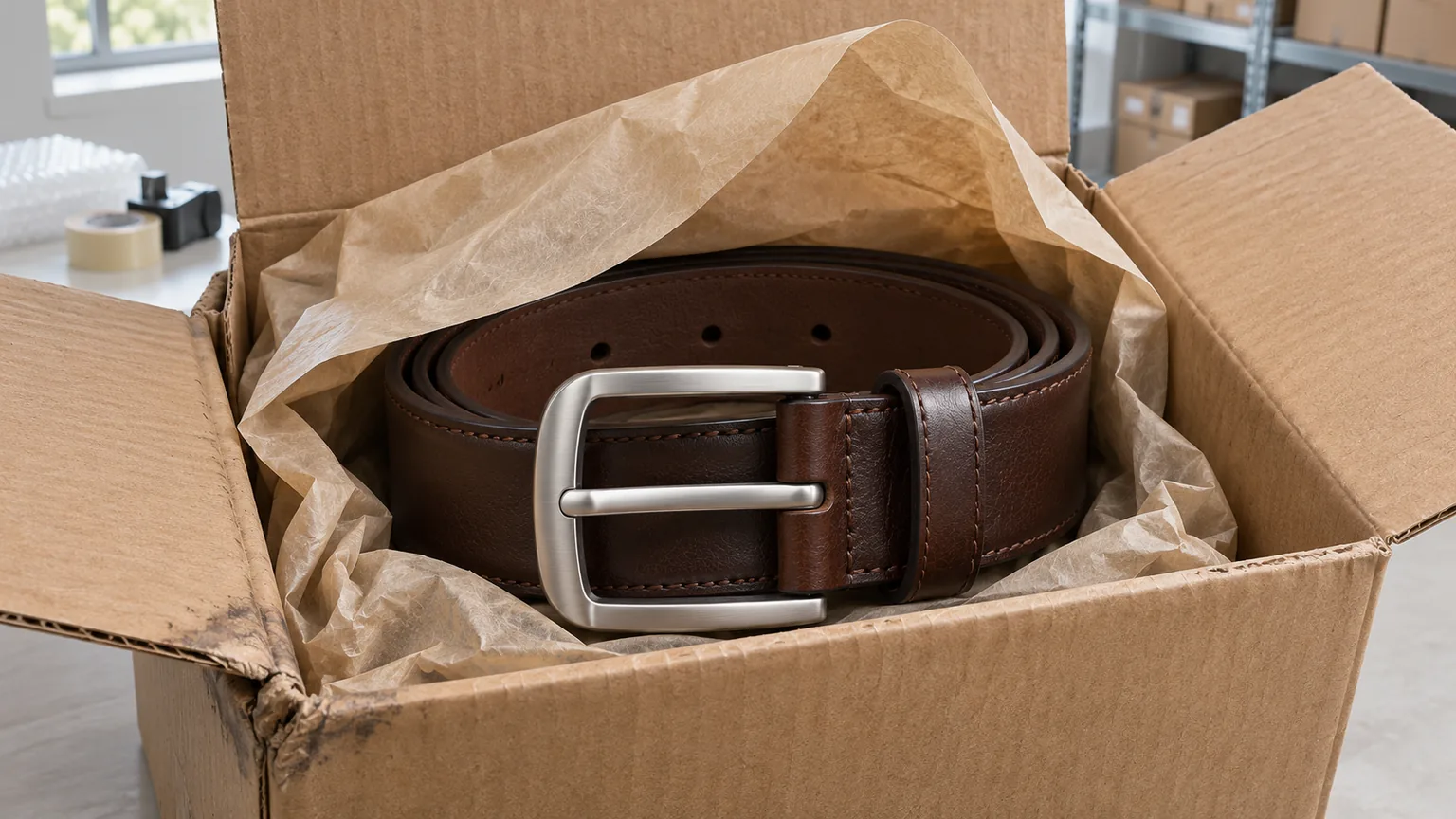
A wet carton of belts is a reason to notify your cargo insurer promptly. It tells you little, by itself, about what the insurer will pay. An all-risks policy can respond to physical loss or damage during the insured journey. The wording, the cause of the damage, the packing and the value actually lost all matter. Start by recording what arrived, including which belts are still fit for sale. Keep the packaging long enough for the insurer to examine it.
Find the policy that follows your belts
When a forwarder adds “insurance included” to a freight quote, ask for the certificate, policy wording and applicable endorsements. Find the insured party, the goods, the route, the valuation basis, the deductible and the claims contact. Ask whether the document gives your company the right to claim and whether you have an insurable interest at the time of loss. A carrier’s certificate for its own liability insurance answers a different question. Keep the transport contract too, because a carrier may need separate notice.
Describe the goods the way they will reach a store. A belt sold on a reusable hanger has a different replacement problem from the same strap sold in a fitted gift box with a printed sleeve. If the sleeve bears a personal engraving or a limited-edition number, note whether it can be replaced independently. Give the broker a photo and commercial description. Ask whether the retail presentation is part of the insured merchandise and how a loss affecting only that presentation would be valued.
Map the actual handoffs. A truck may collect cartons at the factory, deliver them to a consolidator, and a second operator may unpack the arriving pallet for several distribution centers. Ask which locations are on the insured journey and who records receipt at each. A purchase order naming a destination port gives the claims handler little help in dating a wet patch first spotted at a retailer’s inland warehouse.
Read the packing exclusion down to its last condition
La Institute Cargo Clauses (A), CL382, dated January 1, 2009, are a useful example when that edition forms part of the policy. Clause 1 provides broad cover subject to exclusions. In clause 4.3, the question is whether inadequate packing or preparation caused the damage, taking account of what the goods needed to withstand in ordinary transit. The clause also specifies who packed the goods or when the work took place. Read it alongside any amendment on the schedule.
Under this wording, the exclusion addresses packing done by the assured or its employees, or packing done before the insurance attached. Stowing goods inside a container counts as packing here. Independent contractors fall outside this clause’s definition of employees. Sending packing work to an outside company therefore answers only one part of the question. If that contractor completed the pack before cover attached, timing can still matter. Identify the assured, packing party, location and time before drawing a conclusion from the word “outsourced.”
Consider a polished buckle resting against the smooth face of the next belt. The bags are intact, yet a row of matching dents appears precisely at the corners of the frames. Review the protective sleeves, how the units lay in the box and whether the packing sample used the production buckle. An unexpected impact might also have driven metal through an otherwise adequate separator. Preserve the separator, carton and buckle together so a surveyor can consider both explanations. A dent alone cannot settle the exclusion.
Read damage from the outside of the carton inward
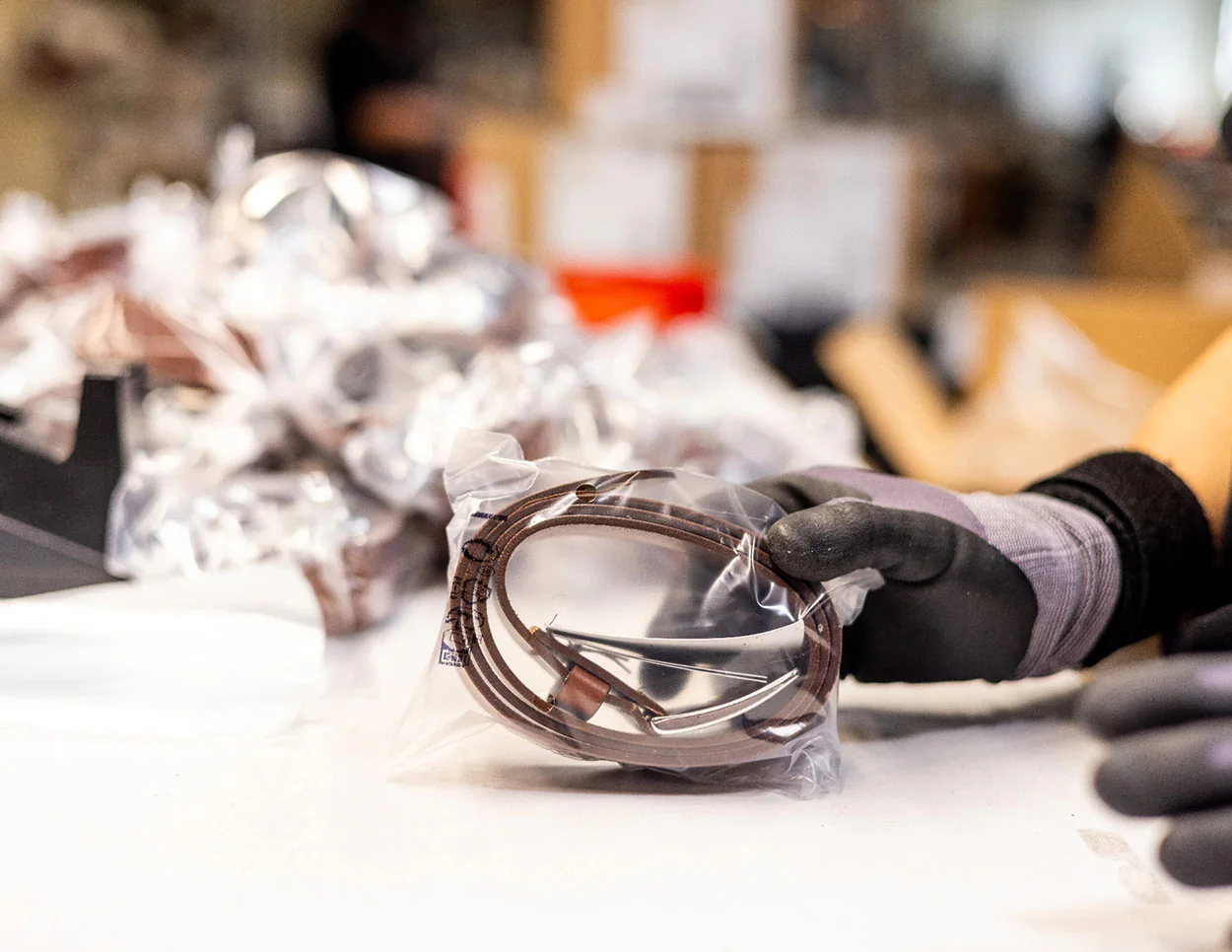
Receiving staff often meet the damaged stock before anyone has seen the policy. Give them a short instruction they can use at the dock. Photograph the shipment where it stands, including the carton numbers, before moving or unwrapping it where practical. Record the time and any visible irregularity on the delivery receipt. If the team sees damp board, describe its position and extent. Calling it seawater or blaming the origin warehouse at that point adds a conclusion nobody has established.
A patch on one outer face, a softened divider beneath it and a dark mark on the adjacent belt give the handler a possible path to investigate. Take a view showing those layers in order. If many sealed bags contain droplets while the outer walls look dry, the possible explanations change. Ask for conditions at packing, subsequent storage and any recorded temperature changes. The readings from one logger apply at its position. They cannot tell you the initial condition of every strap, liner or gift insert.
Clause 4.4 of the example wording addresses loss caused by the inherent nature of the goods. Clause 4.2 deals, among other things, with ordinary wear. Buyers sometimes encounter both terms when a surface changes during shipment. Neither term diagnoses a stained belt. Compare units from the same finish lot packed away from the wet area, plus any retained samples under known storage conditions. Tell the insurer if a comparison sample has aged for longer or was packed differently. That difference can explain why apparently matching units look different.
What the receiving team can establish
On a phone, scroll across to see what to preserve.
| Finding | Question to investigate | Keep or record |
|---|---|---|
| Wet outer corner, nearby sleeves stained | How far did the moisture travel? | Stack position and paired outer and inner views |
| Buckle-shaped marks on several straps | Could the hardware touch that face in the approved pack? | Actual separator, unit orientation and an unaffected neighbor |
| Crushed gift boxes around apparently sound belts | Which parts can be replaced, and at what cost? | Boxes, sample belts and itemized replacement quote |
| Cartons arrive late with no physical marks | Did the merchandise itself suffer any damage? | Delivery record and separate account of commercial losses |
Identify where transit stopped and storage began
A warehouse-to-warehouse description can sound broader than the route the buyer has arranged. Under clause 8 of the example, the first movement at the named origin must be for immediate loading to start the transit. Moving belts between production rooms is distinct from collecting the packed order for dispatch. At the other end, unloading at the final named warehouse can end cover. A choice to use a different location for storage outside the ordinary course of transit, or for allocation or distribution, can also end it earlier than a buyer expects. Other termination provisions apply, so have the broker map the actual journey against the full clause.
Suppose the retailer postpones a launch and asks the forwarder to hold the shipment for call-off orders. Record who requested the hold, the new purpose of the warehouse and the date the route changed. Ask the broker about the effect before the goods are diverted or stored. At the same address, staff might transfer one pallet to a waiting truck and hold the next for weekly store orders. Record which instruction they received.
Delay and physical damage deserve separate entries even if they follow the same voyage. Under clause 4.5, loss attributable to delay is excluded, subject to its specified clause 2 expense exception. A retailer’s lost launch weekend and a buckle damaged during handling are different heads of loss. For a late delivery with visible damage, record both the late arrival and the physical findings. Give the claims handler the underlying facts and retain the commercial correspondence separately. Avoid building missed sales into the declared value of each scratched buckle.
Use the production pack to test what the quote assumes
Before freight booking, ask the factory to pack a complete sample carton in the intended sales configuration. Open it from the top and check what bears weight. In a flat stack, a tall buckle may sit directly beneath a neighboring strap. In a rolled pack, the free end or keeper may press into the visible face. In a gift box, an insert can shift and expose the buckle to the lid. Choose the most vulnerable combination in the assortment, including the largest frame or longest rolled size. A neat box holding the smallest style offers limited evidence about the rest of the range.
Discuss the trade-offs with the packing team. A sleeve can reduce direct metal contact but will not hold a heavy frame in place by itself. An insert can restrain movement but also press against a soft finish. A barrier bag can protect against an external splash yet trap moisture already inside. Ask for the exact production materials and folded arrangement to be photographed. Write down which inner part may be substituted and who needs to approve a change. This is a manufacturing decision the team can make well before a broker sees a loss file.
A repeat order can introduce a new exposure even when the belt specification is unchanged. A larger carton may add a layer above the buckle row. A retailer may replace individual sleeves with paper wraps to fit a new display. Have the packer keep one set of the revised components and identify the first affected carton range. If problems appear, the operations team can then isolate the change without treating the whole season’s inventory as one batch.
Notify the right parties while the evidence is intact
When there is apparent damage, use the contacts and notice instructions on the actual certificate and transport documents. A supplier email asking for replacement belts may be useful for production, but the carrier and insurer need their own notices. Send what is known promptly and label any count as provisional. Keep a copy of the receipt with the driver’s acknowledgment if available, the time of delivery, seal details where applicable and the correspondence. Record concealed damage as soon as it is found, including when the apparently sound package was first opened.
La marine cargo section of AIG Hong Kong’s claims guidance describes capturing both external and internal damage, recording irregularities at delivery and separating wet goods. Set aside affected units and move sound stock out of contact with wet packaging where safe. Take photographs before and after the move when practicable. Keep the original packaging identifiable and ask for survey instructions before cleaning, reworking or disposing of the goods. Use the deadlines for your own policy and route. A procedure published for another insurer’s customers cannot establish your deadline.
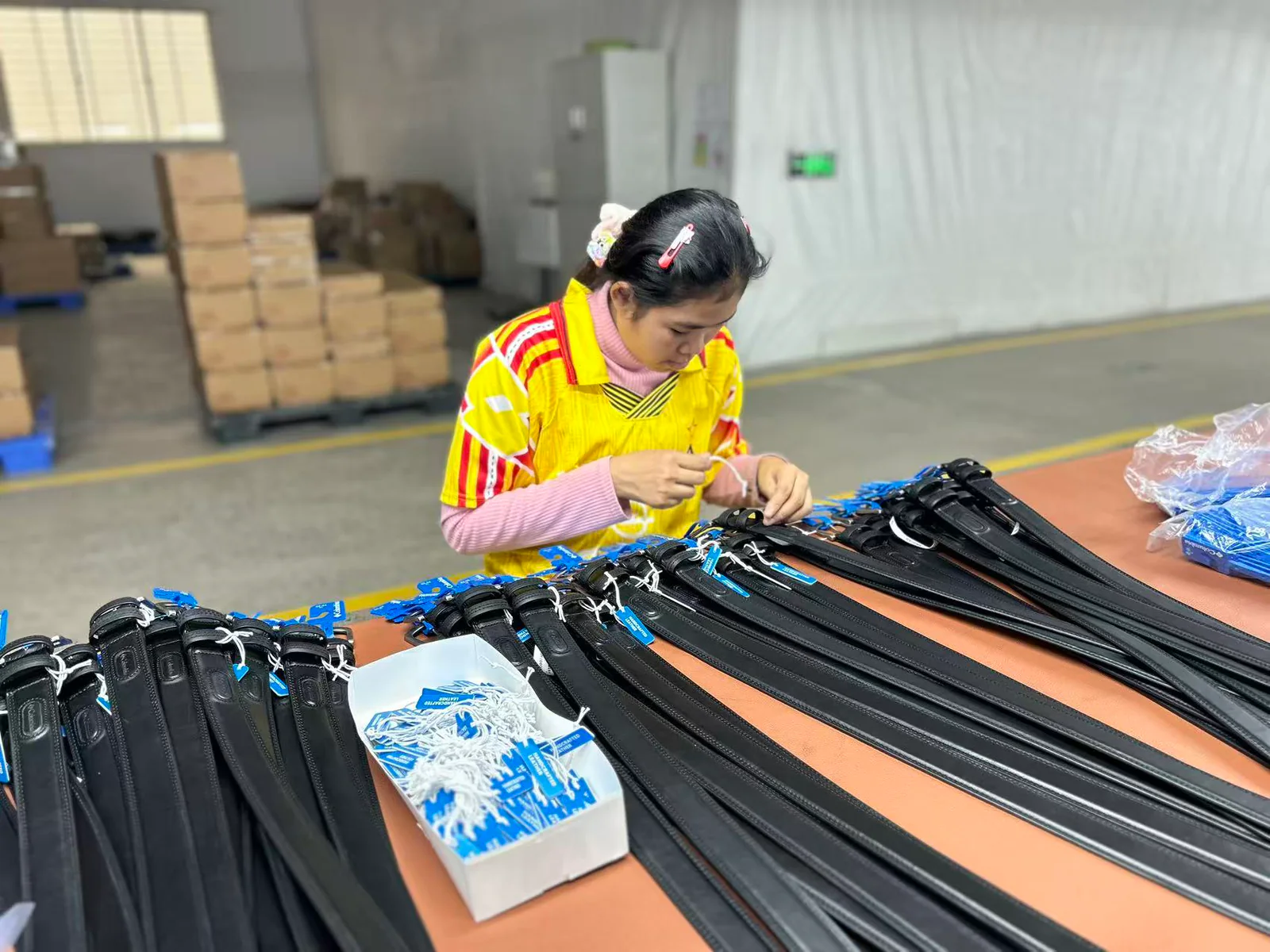
Put one warehouse supervisor in charge of the tally. Without one, a supervisor can report the six opened cartons, a planner can report the six cartons still under review, and accounts can mistake those messages for twelve separate losses. Keep a line for each carton with the style, color, quantity checked, quantity affected and current location. If just one carton has been opened, state exactly that. Preserve a comparison unit and keep a record of who took any sample for inspection.
Put a value on the affected stock
Use the sales unit as the starting point. In an illustrative delivery of 240 gift-boxed belts, suppose 18 boxes arrive crushed. Four of the 18 belts also have visible strap damage. The preliminary tally is four affected sets and fourteen further boxes with apparently saleable belts, with 222 sets outside those findings. Reinspect before releasing stock. Ask for a quote for fourteen replacement boxes, a separate assessment of the four damaged sets and any agreed handling costs. Claiming eighteen full replacements plus eighteen boxes would count the same packaging twice.
Get the insurer’s view on repair, repacking and salvage before agreeing to a disposal deal. If a spare branded sleeve has to be printed, obtain the supplier’s minimum run and the cost of the quantity actually needed. If a repaired buckle can be sold in a different channel, document its condition and the proposed value. Keep the buyer’s brand-protection requirements in the same file. The claims handler can then weigh the available options against the valuation basis and deductible in the contract. The insurer can use the quote to assess the proposed repair and decide what the policy pays.
Tokio Marine Singapore’s cargo claims guide lists the insurance documents, invoice, packing list, transport document, delivery record and evidence of the loss. It also identifies supporting items such as repair quotations when relevant. Organize these by shipment and carton reference. Separate the product cost, presentation materials, rework and any commercial debit note so a reviewer can trace each amount to an item or service. Ask the broker how a deductible applies if cartons from the same consignment arrive on different trucks. A per-carton deduction and a per-occurrence deduction would give very different results.
Close the packing decision before the next dispatch
While the insurer reviews the claim, set the approved pack and the returned pack side by side. If a separator moved, try a restraint on the next packed sample and inspect the same strap face after unpacking. If the outer board was wet while the sealed inner unit stayed dry, review the route and handling evidence before adding another layer to every belt. Photograph the agreed configuration, identify the revision on the packing list and give receiving staff a matching reference.
For a new style, bring the belt, intended retail presentation and delivery route into the sampling discussion. Ask the manufacturing team to show where the metal sits, which surfaces touch and how staff can identify a carton after the pallet is broken down. Then take the confirmed pack, route and shipment value to your broker for a written answer on cover. The factory can help reconstruct what was packed. The insurer evaluates a particular loss under the issued policy.