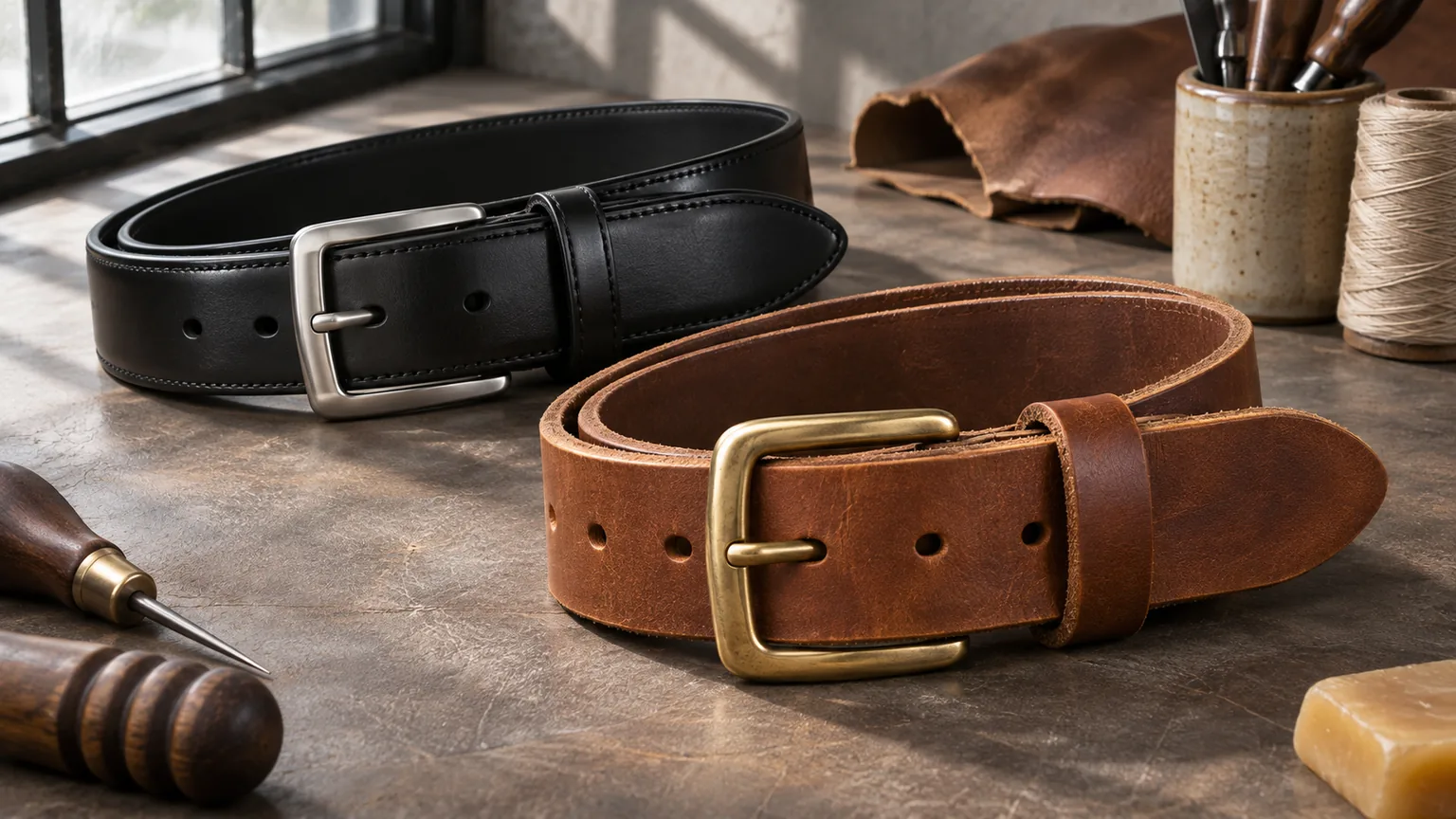
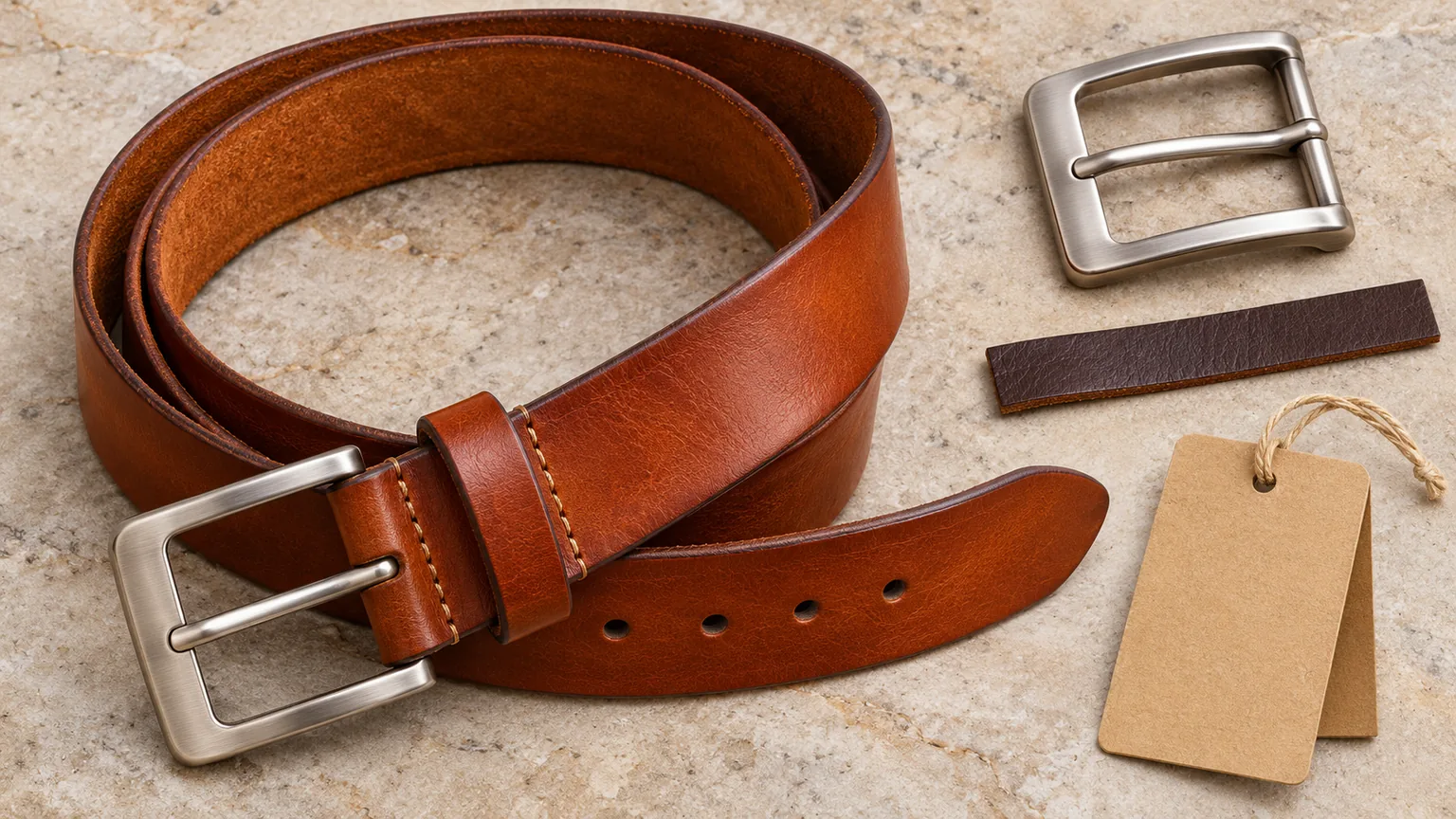
A retailer asks for a Proposition 65 certificate for a leather belt. The factory sends a report on the black strap. The buyer is about to approve a tan version with a different buckle. The retailer wants evidence that its buying terms have been met. The brand also needs to decide whether the tan belt will expose a California customer to a listed chemical at a level that calls for a warning. The report might help with either decision, depending on what the lab measured and what the customer will handle.
For an adult apparel belt, start with the assembled sample, its component list and the sales channels. Identify a plausible source and route of exposure before ordering tests. California’s Office of Environmental Health Hazard Assessment (OEHHA) says businesses can use testing, knowledge of their materials or professional exposure assessment to decide whether a warning is necessary. The regulations do not prescribe a test panel for every belt. OEHHA’s business questions and answers explain that distinction.
Who will sell this belt in California?
A brand supplying a department store may also sell the same style directly through its own website. Draw both routes before assigning the label approval. On the purchase order, identify the importer and the team that specified the leather and buckle. On the sales side, identify the retailer contact and the person who can change the California product page. A factory may be able to identify the plating subcontractor while having no access to the online listing. A retail buyer may own that listing while knowing only the supplier’s finished style number.
Proposition 65 generally requires a clear and reasonable warning before a business knowingly and intentionally exposes someone to a listed chemical, subject to exemptions. Businesses with fewer than ten employees are exempt from the warning requirement. Check the position of each business involved with the people responsible for compliance. The small size of the workshop stitching the straps does not establish that the importer or retail chain qualifies for an exemption. A customer can also set supplier requirements in a purchase agreement. Read that agreement separately. California’s guidance for businesses describes the statutory framework.
Define the product under discussion as precisely as the sale. A reversible belt has two potential outward faces. A boxed gift set may include an interchangeable buckle the consumer handles while changing the look. A separate replacement buckle listing lets customers buy hardware without the leather strap. Those arrangements affect what goes in the assessment and where the buyer must find any warning. If the product team cannot yet name the complete assortment, flag the open variants on the sample sheet. Avoid signing a declaration that covers styles nobody has reviewed.
Identify the part and the surface a customer touches
Lay the belt on its back, open the buckle and turn the strap over. Label the face leather, lining, exposed cut or painted edge, keeper, fastener and buckle assembly on a photo of that sample. Follow the hand as the wearer threads the tail, moves the keeper and releases the prong. A surface normally covered during wear may be handled during adjustment. An internal adhesive layer may have a different contact scenario from the exposed edge finish. Record both and ask the assessor whether either warrants more information. Seeing a coating or metal surface gives no basis for identifying a listed chemical by eye.

The name of a finish can mislead the buyer. An antique brass color describes an appearance. It does not tell an assessor the base alloy, the sequence of surface treatments or which material the lab would sample. Ask for the hardware drawing or vendor reference, the finish code and any supporting material information. If the recipe is confidential, arrange for the component supplier to send the necessary details directly to the assessor. Keep a cross-reference to the commercial style number so the assessment can be traced back to a shipment.
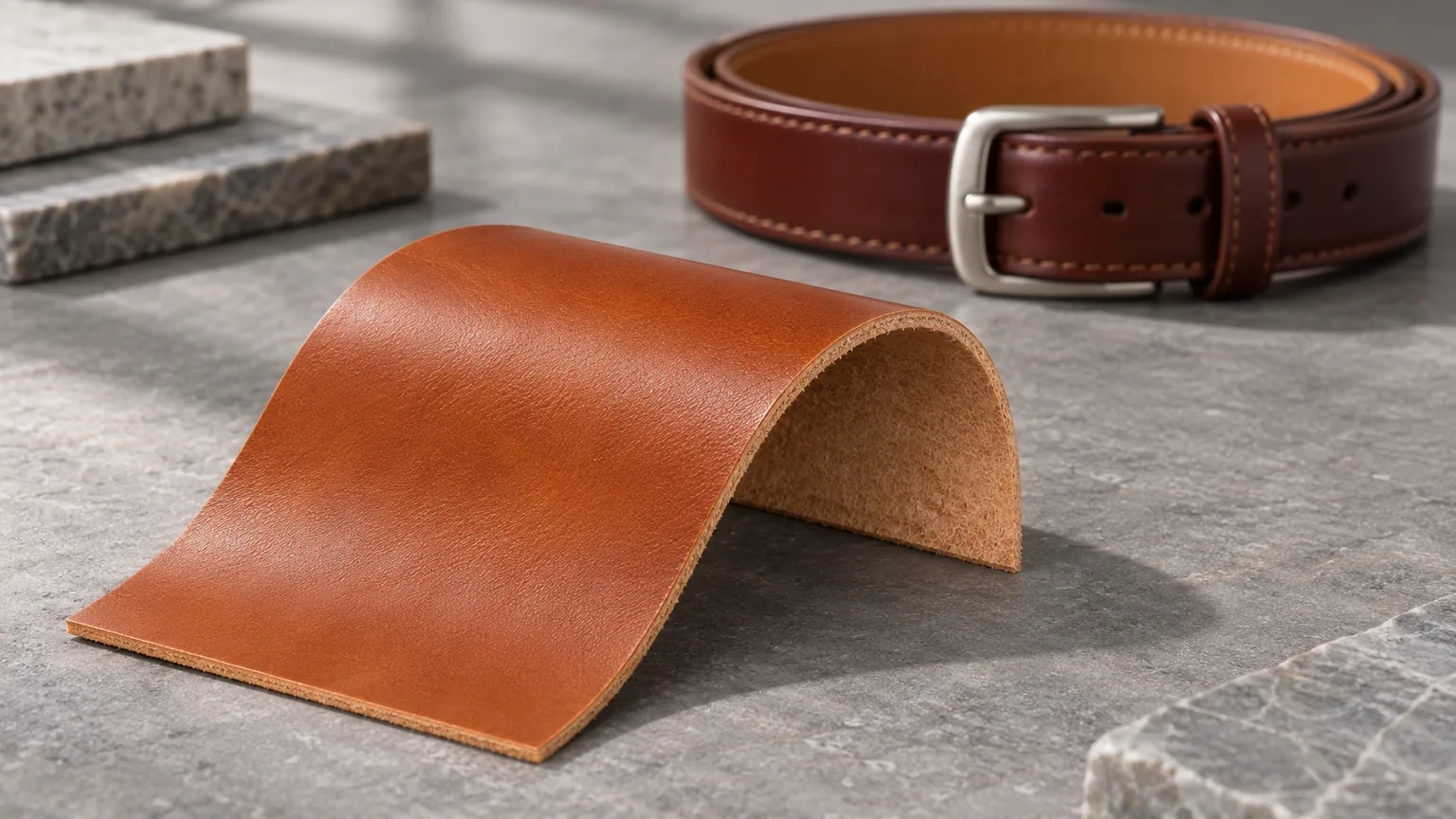
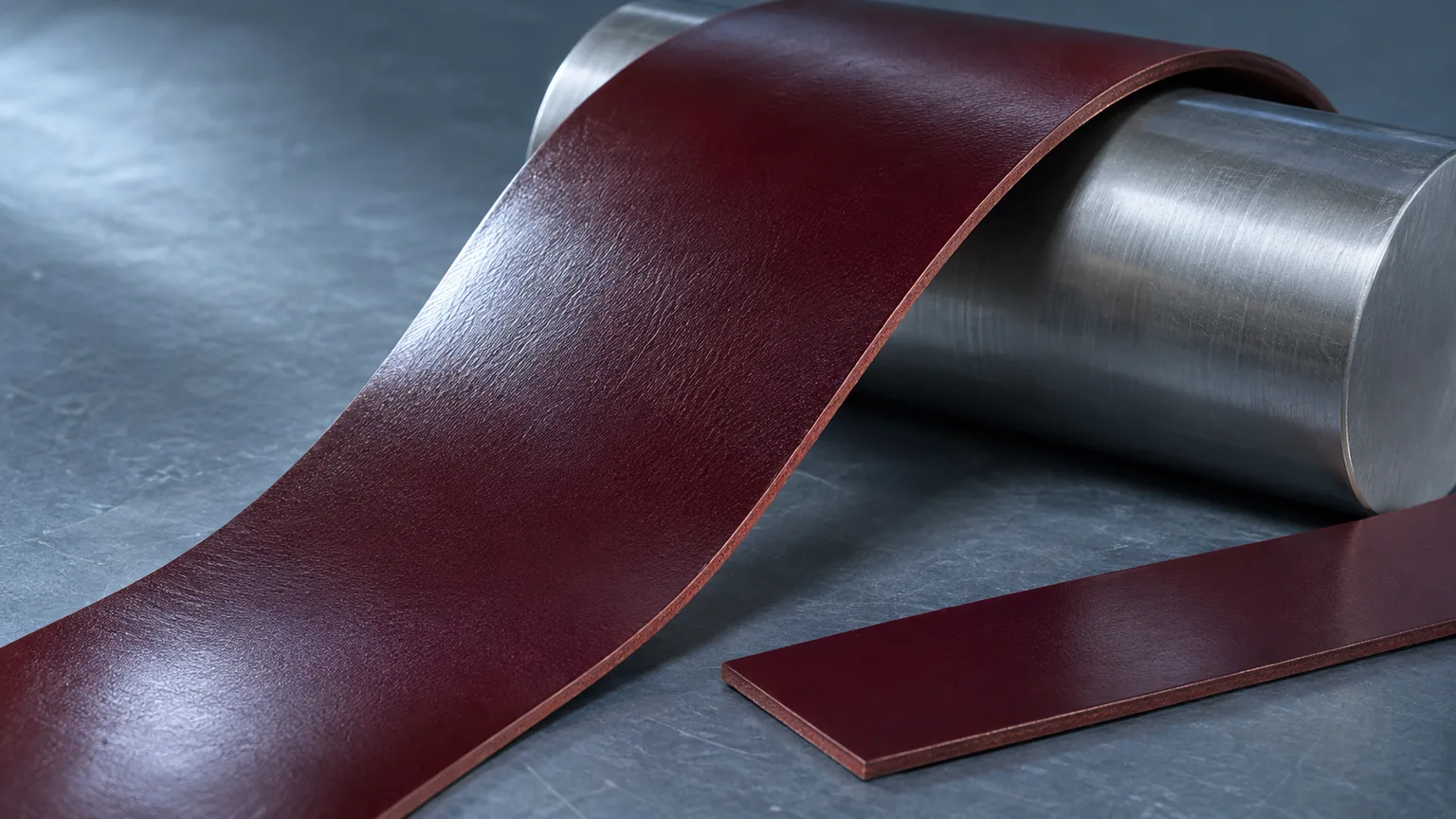
For leather, be equally precise about the chemical named in the question. California identifies hexavalent chromium compounds on its list and notes that they may occur at low levels in some leather goods. A result for total chromium does not distinguish hexavalent chromium from other forms. The description “chrome-tanned” on a leather swatch therefore cannot settle the warning decision. Ask what form the analyst measured, which piece of the belt it came from, and how the result relates to the exposure under review. OEHHA’s chromium fact sheet identifies the relevant chemical form.
What question did the laboratory actually answer?
Examine the sample description before the result column. A report headed “men’s belt” may describe a leather cutting supplied before assembly. Match its photo, supplier code, material lot, color and finish to the bill of materials for your order. Ask whether the lab analyzed one component, combined several pieces, or took a specimen from the finished article. Combining parts can obscure the source of a result. If the business needs evidence about a small keeper, a composite of the leather and hardware may be a poor use of the testing budget.
What a buyer can take from a supplier file
On a phone, scroll the table to read the follow-up question.
| Evidence received | What it establishes | Question still open |
|---|---|---|
| Component declaration | The supplier’s statement for the identified material and revision | Which purchased lots and colorways does the statement cover? |
| Concentration result | Amount measured in the submitted specimen, subject to the method | How could the wearer encounter that chemical during use? |
| Transfer or release study | What moved under the stated test conditions | Do the contact surface and conditions represent this belt? |
| Exposure assessment | A professional conclusion under documented assumptions | Does this production version still meet those assumptions? |
A result in milligrams per kilogram describes concentration in a material. An exposure value expressed in micrograms per day describes an amount over time. Converting units of mass cannot bridge those measurements. To evaluate a handling scenario, an assessor may need information on the accessible area, transfer from the material, frequency of contact and route by which the chemical could reach the person. Provide the design details the assessor asks for. Resist filling an empty field with a guessed wear time simply because a spreadsheet requires a number.
“Not detected” also needs context. Read the laboratory’s definition, reporting limit, units and method. A result below the stated limit for the submitted face leather leaves the edge coating and hardware unanswered. If a retailer specifies a method and reporting capability, confirm those requirements before commissioning work. A report on the strap cannot answer the retailer’s question about the keeper, however sensitive the instrument. With the lab, agree how to label offcuts, whether an assembled unit is needed for comparison and what will be retained if a result needs investigation.
Choose the next step when a result comes back
OEHHA publishes exposure levels for many listed chemicals. A No Significant Risk Level relates to cancer. A Maximum Allowable Dose Level relates to reproductive toxicity. Use the applicable listing, endpoint and route with qualified help. A business need not give a warning for exposure at or below the applicable safe harbor level. If the state has set no level, the business may still demonstrate that anticipated exposure meets the statutory criteria. Ask the professional reviewing the belt to document that basis. The absence of a published level by itself settles neither the need for a warning nor the suitability of the product.
Consider a hypothetical repeat order. The approved belt uses a satin silver buckle with a matching metal keeper. To meet a delivery date the vendor proposes a visually similar set from another finisher. The merchant wants to reuse the old report because the style number has stayed the same. Pull the original sample description. If the old report covered only the strap, it tells you the same amount about both buckles: very little. If it covered specifically identified hardware, the new proposal introduces a difference for the reviewer to assess.
The buyer has several practical options. Keep the approved source if inventory and delivery allow. Request evidence for the proposed finish and have the reviewer decide whether it supports the same exposure conclusion. Or change the product and assess the revised version. A different keeper can alter how the tail slides and the way the finish matches the frame. Check those features on the assembled sample while the technical evidence is being reviewed. A visual match may save design work, but it cannot replace the missing material history.

Separate a retailer’s restricted substances specification from the legal analysis in your purchase file. A retailer may reject a component under its own contract even where the brand has a reasoned basis for a no-warning decision. Printing a warning cannot cure a breach of the retailer’s buying terms. Conversely, a laboratory pass against one retailer limit does not establish that every relevant California exposure has been assessed. In a review meeting, give each decision an owner and record which evidence closed it. A buyer should be able to retrieve either answer without interpreting a stack of unrelated test reports.
If the business chooses to warn, approve the words and the channel
Ask the compliance owner to identify the chemical, endpoint and warning method applicable to the product. Article 6 includes safe harbor methods and content deemed clear and reasonable. Alternative warnings may be possible, but their adequacy may need to be defended. A label copied from another company’s wallet could name the wrong chemical, address the wrong endpoint or rely on a different version of the rules. Hand the designer approved wording for this specific product along with the permitted placement and format. Keep the source artwork and its release date with the product record.
The revised short-form warning rules took effect January 1, 2025. During the transition, a product manufactured and labeled before January 1, 2028, can use the prior short-form content and retain safe harbor protection if the applicable requirements are met. The revised short form identifies at least one listed chemical for each endpoint covered. A purchase order placed in 2027 does not establish when a belt was manufactured and labeled. If one run spans the changeover, ask the packing team to distinguish the lots and record which artwork each received. OEHHA’s adopted amendments link to the final text.
For internet sales under the safe harbor method, arrange a warning the customer can see before completing the purchase, as well as the required product or physical warning. One option is to display the warning on the product page. Another is a clearly marked link on that page labeled “WARNING,” “CA WARNING” or “CALIFORNIA WARNING” that opens the applicable warning. A generic footer that requires the shopper to hunt for the applicable product is a poor substitute. Review the listing as a shopper would see it on a phone. Switch between finishes, inspect the quick-buy path and follow the link far enough to confirm the relevant warning is available before checkout.
During the three-year implementation period, a limited 60-calendar-day provision addresses retailers updating online short-form warnings after receiving a qualifying notice or warning with revised short-form content. This concerns the transition from the prior short form. A team launching a new belt should not treat it as a general grace period for missing warning information. Agree how the supplier will identify the affected products, provide the materials, contact the designated retail representative and document receipt. Confirm the notice and ongoing responsibilities with the responsible party under section 25600.2.
What belongs in the reorder file?
Start the reorder file with the style, revision and affected sales channels. Include the dated bill of materials, relevant supplier codes, annotated sample photos, lab documents and the specialist’s decision with its assumptions. Where a warning is used, attach the physical artwork, the approved digital text, the retailer contact and evidence of delivery. Where the business has concluded that a warning is unnecessary, keep its basis and specify the changes that would send the product back for review. Add the name and approval date so the next buyer knows whom to ask about a substitution.
Use the file to respond proportionately to changes. A longer strap cut from the same documented stock might need only a review of whether the original assumptions still hold. A new tannery, replacement lining or buckle supplier may require different evidence. Ask the assessor about the actual change before repeating an entire panel. For an early sourcing discussion with HDBelt, share the intended California sales route, a reference photo and the components already selected. Our materials and sourcing information gives buyers a starting point for that conversation. Keep the final exposure and warning decision with the business and its qualified advisers.