
You haven't provided any English text to translate. Please send the content you'd like translated into French.
Contrôle de la conception pour les programmes de ceintures
Conception et développement de ceintures, du concept au cahier des charges de production
Notre service personnalisé de conception et de développement de ceintures transforme un brief de marché, un croquis ou une référence autorisée en un produit pouvant être chiffré, échantillonné et approuvé. Le périmètre désigne les livrables de conception, les décisions techniques, les responsabilités et la propriété des fichiers dès le départ.
- Les livrables sont nommés avant le début du travail créatif
- Les décisions de l'acheteur et du fournisseur restent visiblement séparées
- La propriété et l'utilisation autorisée nécessitent un accord écrit
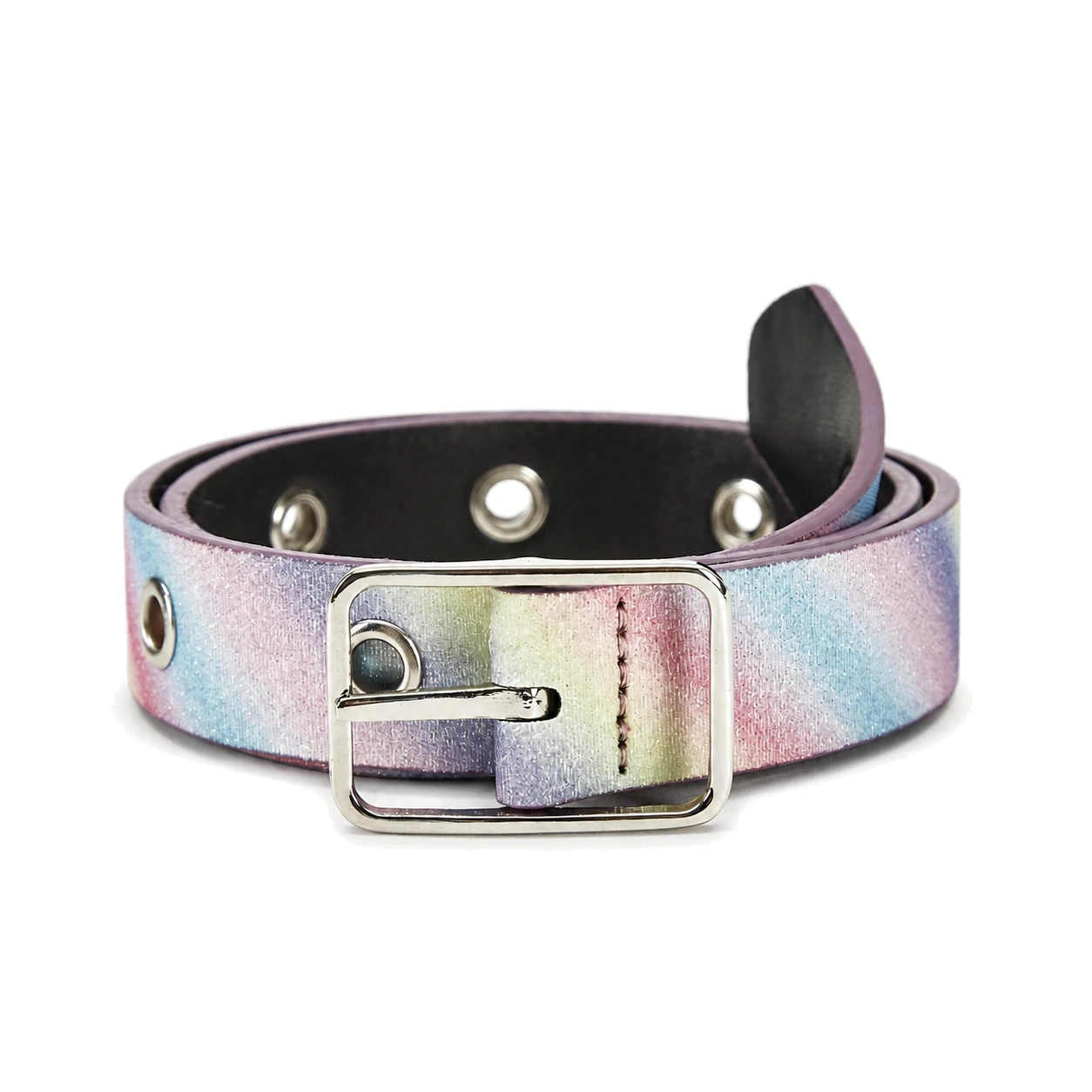
Nommez les livrables de conception avant le début du projet
Un périmètre clair indique ce que HongDing préparera, ce que l'acheteur doit décider et quels livrables restent des propositions. Cela permet de garder le projet ciblé et révisable.
Consigne le client cible, le canal, l'orientation tarifaire, le rôle du produit, les caractéristiques obligatoires, les questions ouvertes, les approbateurs et les preuves utilisées pour prendre chaque décision.
Statut : contributions de l'acheteur et décisions tenues à jour conjointementPeut inclure l'ambiance, les proportions, la silhouette, la couleur, la matière, la boucle et les relations de collection définies dans le devis.
Statut : proposition jusqu'à ce que l'acheteur sélectionne une directionIdentifier les conflits entre l'apparence prévue, la structure, les entrées disponibles, le coût cible, la voie de fabrication, les tests et la répétabilité.
Statut : avis de faisabilité, et non preuve physiquePeut combiner des vues, des dimensions, la nomenclature, la construction, la quincaillerie, les éléments graphiques, l'emballage et le statut de révision au niveau convenu pour l'échantillonnage.
Statut : contrôlé uniquement après l'événement d'approbation nomméRépertorie les fichiers actuels et les références physiques, les décisions approuvées, les choix provisoires, les points ouverts et ce que le premier échantillon doit prouver.
Statut : dossier de publication, et non approbation de production en sérieDéfinir le client cible, le canal, l'orientation prix, le rôle dans l'assortiment, le contexte de quantité, le marché cible, les besoins en allégations et l'équipe d'approbation.
Enregistrement de jalon : brief accepté et responsables des décisionsChoisir la voie de développement qui correspond aux éléments de preuve initiaux
La voie de développement dépend de ce que l'acheteur possède déjà, comme un brief, un croquis, un dossier technique, un échantillon physique ou un style de base approuvé.
Enregistrement 01Orientation de l'assortiment
Entrée : écart de canal, de client et de produit. Sortie : rôles de style proposés, composants partagés, familles de couleurs et décisions requises pour réduire l’éventail.
Enregistrement 02Proportion fabricable
Entrée : croquis ou référence. Sortie : vues produit et dimensions qui exposent les relations entre boucle, sangle, passant, extrémité et trou ou ajustement.
Enregistrement 03Orientation matériaux et finitions
Entrée : prix, usage, apparence et besoins d’allégations. Sortie : filières de matériaux nommées, références de surface, risques et preuves encore requises.
Enregistrement 04Identité de la quincaillerie
Entrée : fonction, langage de design et besoin de logo. Sortie : exigences d’interface, référence de composant proposée, finition et statut d’outillage.
Enregistrement 05Exécution de la marque et du retail
Entrée : logo autorisé, texte d’étiquette et canal. Sortie : emplacement, méthode, révision des maquettes, exigences d’emballage et d’épreuve.
Enregistrement 06Dossier de décision d’échantillonnage
Entrée : la piste de conception sélectionnée. Sortie : liste actuelle des fichiers, liste des éléments ouverts et questions claires auxquelles l'échantillon physique doit répondre.
Maintenir les décisions de marché, de design et d'ingénierie dans une même chaîne
Le développement produit progresse plus rapidement lorsque les décisions de marché, le travail de design, la revue d'ingénierie et l'autorité d'approbation ont des responsables clairement identifiés.
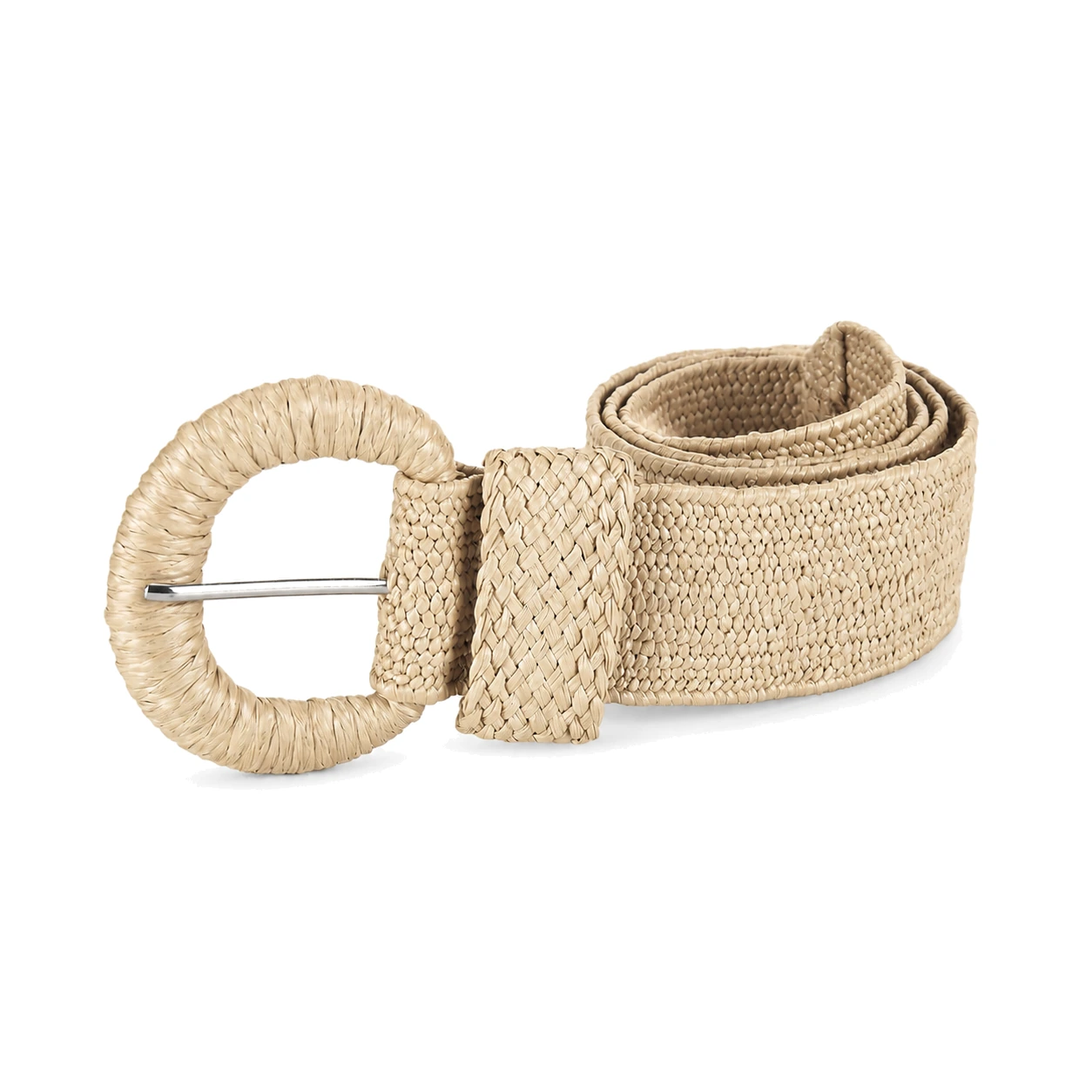
Responsable du marché acheteur
Définit le client, le canal, l’orientation tarifaire, les codes de marque, les allégations obligatoires, les priorités de lancement et l’acceptation finale de l’intention de design.
Autorité : décision marché et marqueCoordinateur design HongDing
Organise les concepts convenus, les vues produit, les orientations couleur et matière, le placement des illustrations, les questions ouvertes et le registre des révisions.
Autorité : préparer des propositions dans le périmètre convenuRevue d’ingénierie de Dongguan
Vérifie les dimensions, l’empilement des matières, l’interface de boucle, la construction, la faisabilité du procédé et les informations techniques nécessaires à l’échantillonnage.
Autorité : signaler la faisabilité et proposer des modifications documentéesParcours matières et composants
Confirme quel article, finition, boucle ou garniture proposé est disponible pour revue et quel élément reste une hypothèse de développement.
Autorité : statut actuel des données d’entrée, et non une approbation du design par l’acheteurRendre le Tech Pack explicite sur les faits, les propositions et les points ouverts
Un Tech Pack prêt pour l’usine sépare les exigences approuvées des propositions et des questions ouvertes. Il relie également chaque décision critique à la révision en cours.
Style, variante, coloris, base de taille, révision du document, date d’émission, statut et responsable d’approbation nommé.
Contrôle : une seule source de vérité à jourRelations mesurables entre ceinture, boucle, passant, trou ou ajustement et marquage, avec la référence utilisée pour l’ajustement.
Contrôle : interprétation reproductibleRéférences nommées pour face, support, doublure, renfort, fil, bord, adhésif le cas échéant, quincaillerie et garnitures, plus statut provisoire.
Contrôle : matériau et construction réelsDécoupe, parage, pliage, couture, poinçonnage, fixation, interfaces de mécanisme, fixation de décoration et points d’acceptation clés.
Contrôle : relations fabricablesAutorisation du logo, révision de la maquette, placement, texte de l’étiquette, source du code-barres, épreuve d’emballage et responsable du marquage des cartons.
Contrôle : données de marque et de vente au détailListe les hypothèses non résolues, les substituts proposés, les échantillons ou tests requis, les dates d’échéance de décision et les documents concernés.
Contrôle : l’incertitude reste visibleUtilisez des scénarios illustratifs pour cadrer le travail, et non comme des études de cas clients
Ces exemples montrent comment le matériau de départ modifie le périmètre de conception. Ce sont des scénarios de planification, et non des études de cas clients ni des résultats garantis.
01Capsule de mode saisonnièreOuvrir le détail de la décision
Éléments de départ : orientation de la marque, client, canal, gamme de prix et palette saisonnière. Périmètre possible : rôles d’assortiment, plusieurs directions produit, composants partagés, pistes sélectionnées couleur-matière-finition et sélection de concepts maîtrisée.
Décision critique : quels concepts entrent en développement technique et quels concepts non utilisés peuvent être conservés ou réutilisés en vertu de l’accord.
02Design en cuir haut de gamme appartenant à l’acheteurOuvrir le détail de la décision
Éléments de départ : croquis ou dossier technique contrôlés, ainsi que l’intention relative aux matériaux et à la quincaillerie. Périmètre possible : revue DFM, dimensions manquantes, article et filière de finition, interface de boucle, décisions sur les bords et les coutures et révision technique.
Décision critique : quelles modifications d’ingénierie préservent l’intention de conception et lesquelles nécessitent l’approbation de l’acheteur avant la diffusion du fichier.
03Extension stretch sportOuvrir le détail de la décision
Données d’entrée : lignes directrices de marque existantes et cas d’usage cible. Périmètre possible : logique des tailles, structure élastique, pattes, boucle, couleur et image de marque, ainsi que les questions physiques que l’échantillon doit résoudre.
Décision critique : quel langage de performance nécessite un test défini plutôt qu’une approbation visuelle ou de conception.
04Programme d’art graphique westernOuvrir le détail de la décision
Éléments de départ : illustrations autorisées, orientation de la boucle et positionnement retail. Périmètre possible : motif répété, emplacement, proportion de la sangle, parcours de décoration, interface des composants et fichiers graphiques contrôlés.
Décision critique : propriété et utilisation autorisée des illustrations, poinçons, plaques, moules et de tout nouvel outillage de boucle ou d’ornement.
Passer du brief de conception à un échantillon prêt pour la production
Le travail de conception atteint l’étape d’échantillonnage lorsque la direction retenue et le dossier technique actuel sont prêts pour une revue physique. L’échantillon teste alors si les décisions fonctionnent ensemble.
Accepter le brief et les droits
Consigner l’objectif commercial, les éléments d’entrée autorisés, la confidentialité, les livrables, les questions de propriété et les responsables des décisions.
Sélectionner l’orientation produit
Approuver la silhouette visée, les proportions, la voie des matériaux et de la quincaillerie, l’exécution de la marque et le rôle dans l’assortiment.
Résoudre les décisions DFM
Clôturer ou reporter visiblement les conflits liés à la construction, à la disponibilité des entrées, à l’interface des composants, aux coûts, aux besoins de test et à la répétabilité.
Émettre le dossier d’échantillonnage
Relier les vues actuelles, les dimensions, la nomenclature, les références, les fichiers graphiques, l’orientation packaging et les points ouverts à une seule demande d’échantillon.
Examiner l’échantillon physique
Mesurer et actionner la ceinture, comparer le matériau et le fini visible, vérifier l’image de marque et les épreuves d’emballage et consolider les commentaires.
Clôturer la révision de conception
Mettre à jour les fichiers concernés, déclarer toute exception restante et identifier la référence physique approuvée et la version technique.
Examiner les documents de conception avec leur statut et les droits associés
Chaque fichier de conception doit indiquer ce qu’il contrôle, son statut d’approbation, sa révision actuelle et son utilisation autorisée.
Guide de marque, logo, tech pack antérieur, création originale, échantillon autorisé et informations confidentielles sur le marché ou le produit.
Examen : propriété, autorisation et utilisation autorisée dans le cadre du projetAlternatives de concept, vues produit proposées, notes DFM, filières de matériaux ou de composants et contenu technique préliminaire créé dans le périmètre.
Examen : conditions de livraison, de sélection, de réutilisation et d’exclusivitéÉchantillons fournisseurs, catalogues de composants, polices sous licence, graphismes de banque d’images ou technologie détenue par des tiers inclus pour évaluation.
Examen : licence, disponibilité et limites de substitutionVues actuelles du produit, tableau des dimensions, BOM, construction, fichiers graphiques, emballage et état des changements associés au parcours sélectionné.
Revue : quelle version contrôle l’étape suivanteRépertorie les plaques, moules, outils de boucle, matrices de gaufrage, outils d’impression ou fichiers de production numériques avec les frais, la garde, la propriété et les décisions de réutilisation autorisée.
Revue : aucun transfert ni exclusivité par défautRelie les commentaires numérotés de l’acheteur, les réponses de HongDing, les fichiers modifiés, les versions d’échantillons, les éléments remplacés et les décisions finales de libération.
Revue : une piste de décision traçableConception de ceinture Propriété et Questions de transfert
Limites claires pour les livrables, les actifs de l’acheteur, les nouveaux concepts, les révisions, la préparation technique, la confidentialité et les modifications de conception.
Lancez un projet de design de ceinture avec des livrables et des droits définis
Envoyez le brief, le croquis, l’échantillon ou le tech pack que vous avez déjà. Notre équipe proposera un périmètre pratique pour le design, la revue d’ingénierie, les fichiers techniques et la transmission pour l’échantillonnage.