
Key takeaways
- Report at least purchased-area yield and usable-area cutting efficiency separately.
- Map defects and strap direction before nesting.
- Count accepted parts, not merely pieces cut.
Start with three denominators
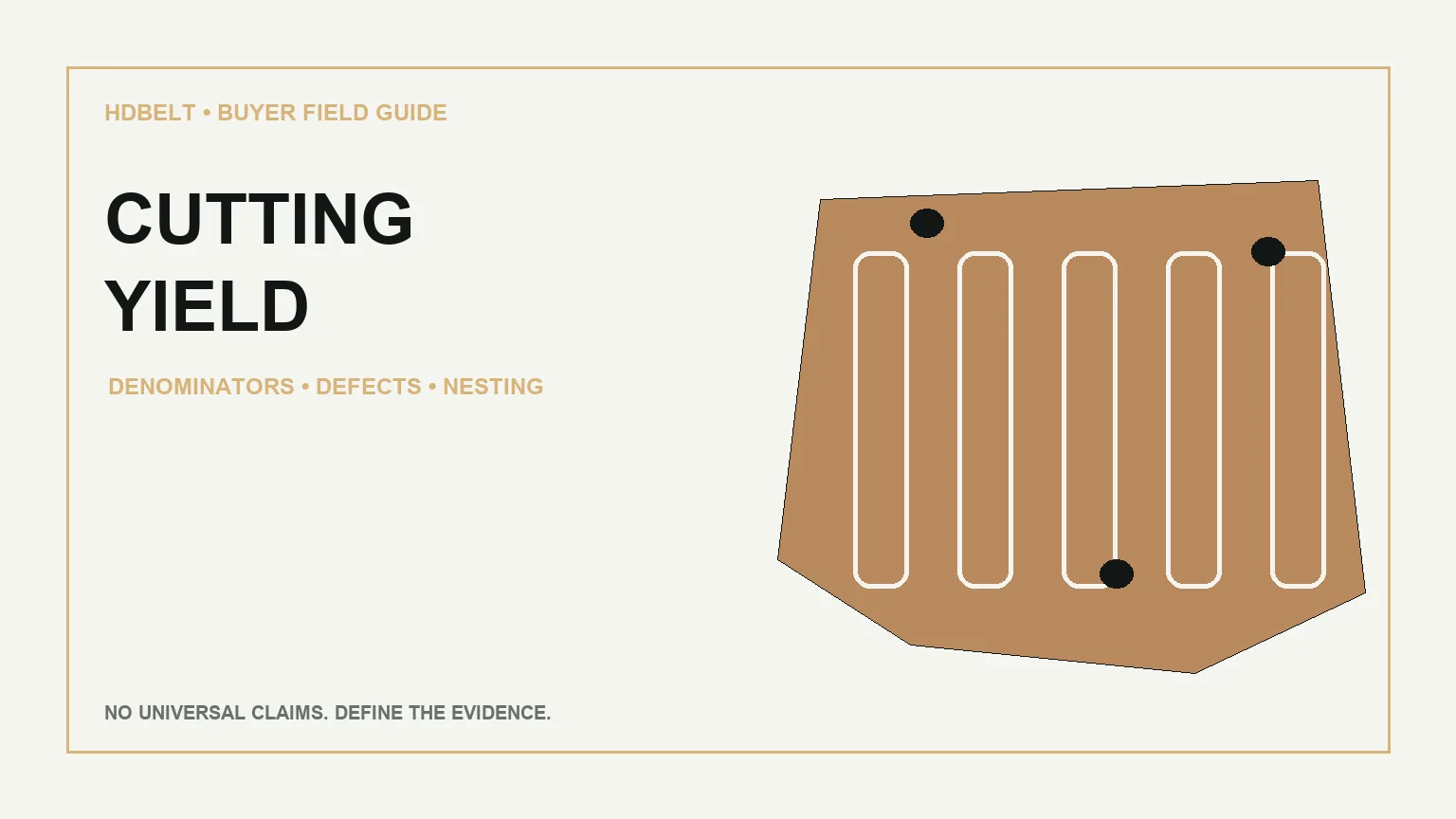
This article proposes a three-denominator buyer-comparison framework; the labels are not presented as an industry standard. Purchased-area yield = accepted cut-part area ÷ purchased hide area × 100. Usable-area cutting efficiency = accepted cut-part area ÷ inspected usable area × 100. Layout utilization = planned part area ÷ layout boundary or selected usable region × 100. These figures serve different management questions and should not be substituted for one another.
Purchased-area yield exposes the combined effect of hide shape, unusable zones, defects and cutting. Usable-area efficiency examines the cutter or nesting plan after inspection exclusions. Layout utilization is a planning diagnostic. Report the formula beside every result.
Define the numerator as accepted output
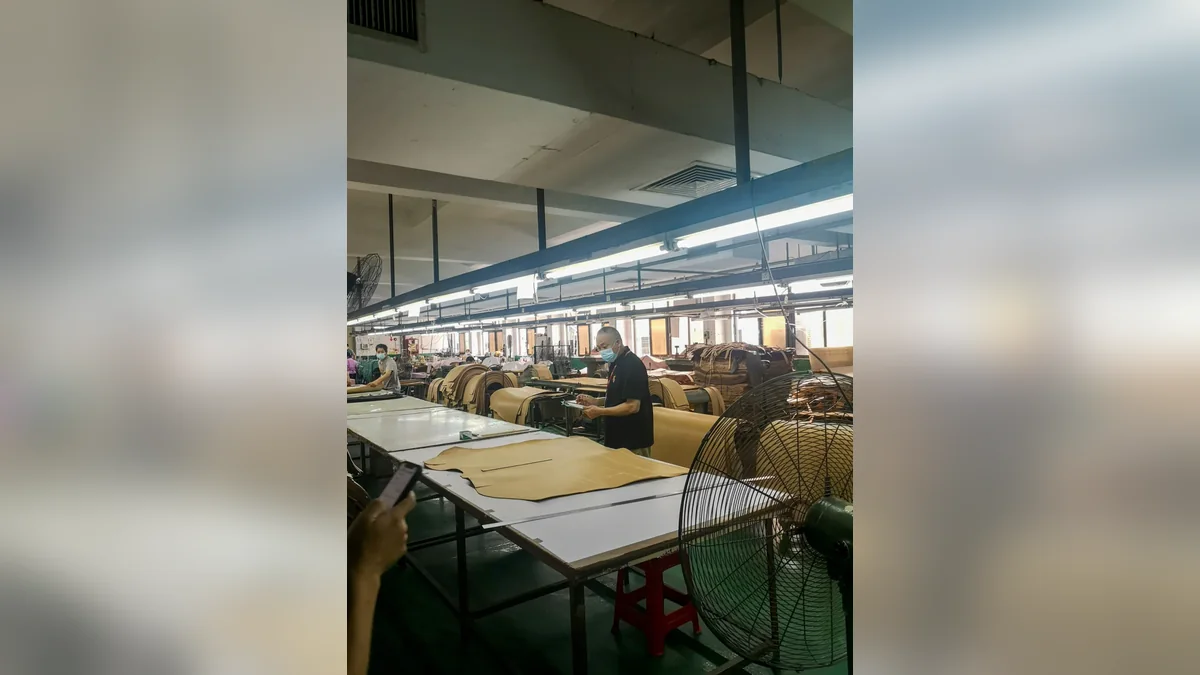
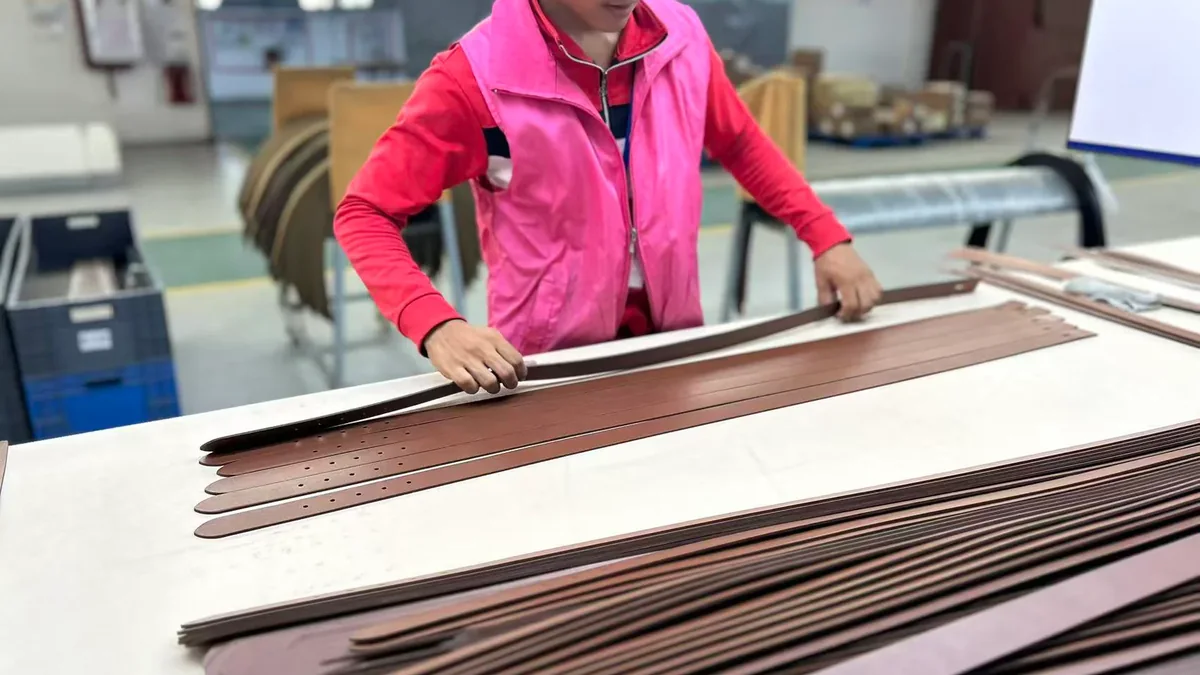
The numerator should include parts that pass the stated cut-part criteria, not every strap ejected by the die or knife. Record rejected cut parts separately with reason codes such as defect inclusion, shade, width, edge damage, orientation or dimensional failure.
For multi-part belts, decide whether the measure is strap area alone or the total accepted leather components. Keepers, tabs and small reinforcements can use spaces that cannot fit a long strap, so excluding them may hide legitimate material recovery.
Inspect and map before cutting
A hide is irregular and contains zones with different fiber structure, appearance and defects. Mark the usable boundary and defect exclusions under agreed lighting and grading rules. Link the map to the hide identifier and measured area so the later nesting record can be reconstructed.
Do not erase defects from the denominator without stating the rule. Purchased-area yield should retain the purchased area. Usable-area efficiency can exclude agreed unusable zones, but the inspection method and owner must be recorded.
Long narrow straps create a specific nesting problem
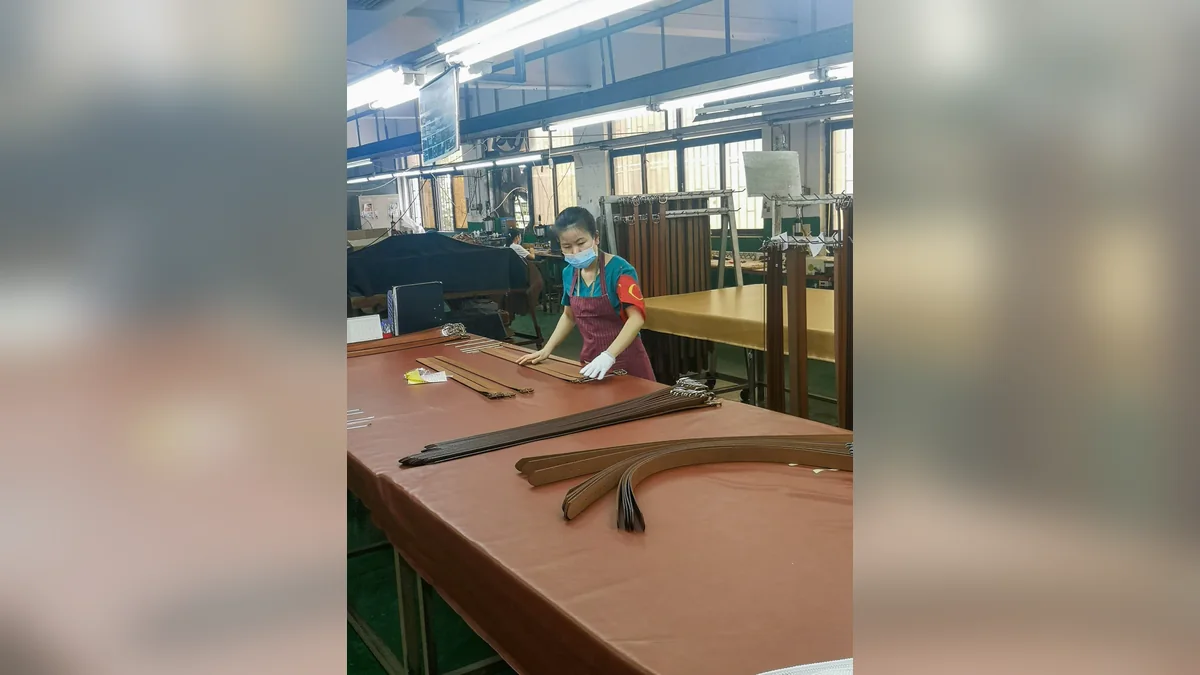
A belt strap demands length, width, appearance continuity and direction. Small accessories can rotate into leftover areas; a long strap cannot. The usable hide may have ample total area but insufficient uninterrupted length in the required direction.
Leather-nesting research in footwear supports the broader constraints of irregular boundaries, defects, quality zones and directionality. This article adapts that logic to long belt straps; it is a procurement inference, not reported HDBelt batch data. Record strap width, cut length, grain or stretch direction, paired-part rules and visible-face requirements. These constraints explain why two programs with similar total part area can return different yields without either factory being inefficient.
Turn the defect policy into cut rules
List which defects are prohibited on the visible face, permitted under a keeper, acceptable on the lining or excluded entirely. Define any distance rule from holes, edges, folds or buckle attachment. A visual defect policy that is not translated into nesting constraints will be applied inconsistently.
Shade zoning deserves its own rule. Footwear research models color and pair-matching constraints; adapting that principle to a belt program requires an explicit program rule. Parts that are individually acceptable may not form an acceptable retail set. If a belt program requires shade matching across components or grouped units, record the matching decision before counting accepted output.
Compare manual and digital nesting with the same constraints
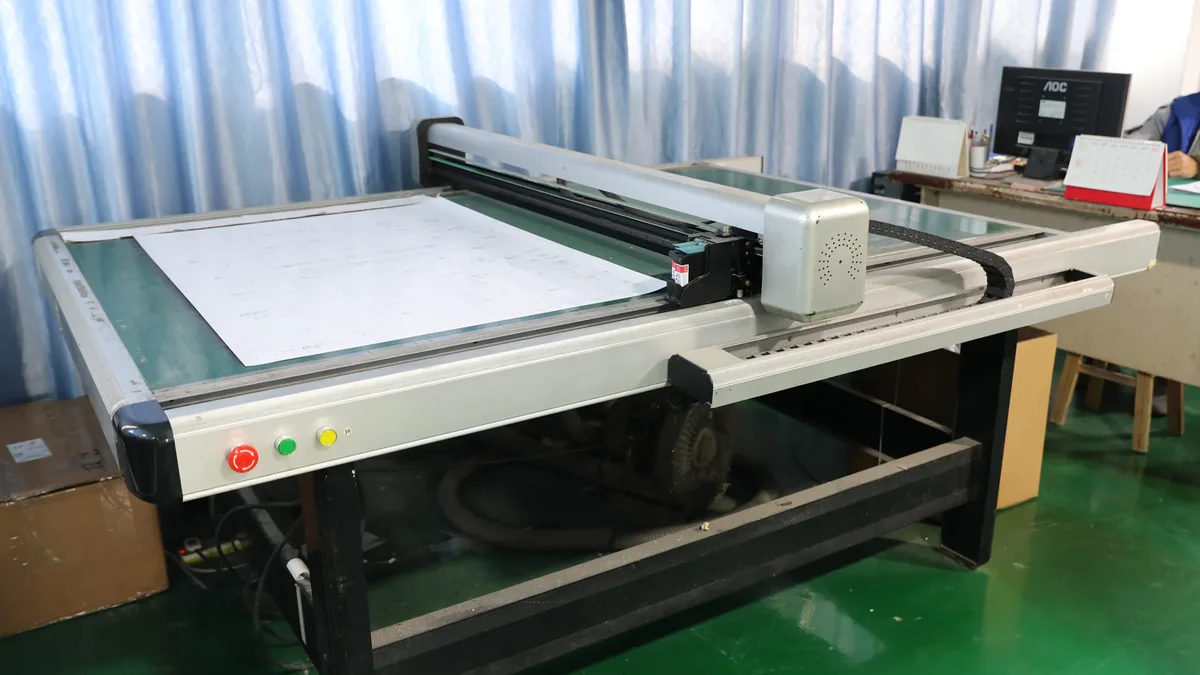
Research on irregular leather nesting treats defects, boundaries and part placement as constrained optimization. Software can evaluate many placements quickly, while an experienced cutter may interpret material behavior and appearance better than a simplified map. The useful comparison holds the same parts, hide map and acceptance rules constant.
Save the nest version, operator or software version, part list and exceptions. A higher theoretical layout result is not an improvement if it creates rejected straps or ignores grain direction.
Classify loss before asking for improvement
| Loss class | Example | Likely owner |
|---|---|---|
| Purchased-shape loss | Irregular perimeter that cannot fit a long strap | Material/specification |
| Quality exclusion | Scar, loose structure or shade zone | Material grading |
| Geometry loss | Spaces too short or narrow for the required strap | Product design/nesting |
| Process loss | Mis-cut, edge damage or wrong orientation | Cutting control |
| Recoverable offcut | Area suitable for keepers or another approved part | Planning |
This loss tree prevents a single yield target from blaming the cutter for hide quality or product geometry. If procurement disputes a low result, reconcile the hide map and accepted-part record first. Perimeter and prohibited-defect loss routes to material grade or product geometry; mis-cuts route to process control; reusable spaces route to an approved small-part plan. Commercial action follows the verified cause, not the headline percentage.
Use a batch worksheet buyers can audit
| Field | Record |
|---|---|
| Batch and hide ID | Traceable material identifiers |
| Purchased area | Supplier or verified measurement plus unit |
| Usable area | Mapped area after stated exclusions |
| Part list | Dimensions, quantities and constraints |
| Accepted cut area | Accepted quantity × controlled net area |
| Rejected cut parts | Quantity, area and reason code |
| Recovered offcuts | Approved downstream use |
| Yield results | Each formula with denominator named |
Keep units consistent. If area is converted, record the conversion and source measurement. Attach representative hide maps and nests rather than relying on a monthly summary alone.
Illustrative calculation only—not a benchmark: if purchased area is 100 area-units, inspected usable area is 80 and accepted cut-part area is 60, purchased-area yield is 60%, while usable-area efficiency is 75%. If the record also lists 8 units of rejected cut parts and 7 units of approved recoverable offcuts, the buyer should still reconcile the remaining 5 usable units to geometry loss, process loss or measurement variance before accepting the batch report.
| Reconciliation check | Formula | Escalation |
|---|---|---|
| Purchased boundary | Purchased area = excluded/unusable area + usable area | Investigate unit or map mismatch |
| Usable boundary | Usable area = accepted area + rejected area + recoverable offcut + geometry/process remainder | Investigate any unexplained remainder |
| Accepted output | Accepted area = accepted quantity × controlled net part area | Recount or verify part-area master |
| Variance rule | All named components must reconcile within the program-set measurement tolerance | Hold comparison until owner closes variance |
Compare suppliers without creating a fake benchmark
There is no universal belt cutting-yield percentage that remains fair across hide grade, animal size, strap length, width, defect policy, matching rules and small-part recovery. Compare suppliers on the same program specification and the same formulas. Trend their own batches before using the number commercially.
When quotes use different material assumptions, normalize the bill of materials and evidence boundary first. A lower material price can be offset by lower purchased-area yield, while a higher usable-area efficiency may simply reflect stricter exclusions upstream.
What to ask the factory for
Ask for a denominator dictionary, hide map, constrained part list, saved nest, accepted-output record and loss tree for a representative batch. Use the result to adjust grading, strap geometry, small-part recovery or cutting controls. Do not negotiate against a percentage whose denominator is unnamed.
HongDing’s manufacturing route covers the broader sampling, production and QC pathway. Use the belt manufacturing process, leather belt inspection and supplier quote comparison for related decisions.
Verified source notes
- NIST leather and footwear technology
- Peer-reviewed leather nesting model
- Applied Sciences nesting research
Frequently asked questions
What is leather cutting yield?
It is accepted cut-part area divided by a named source area. State whether the denominator is purchased hide area, inspected usable area or a selected layout region.
Why do suppliers report different yield figures?
They may use different denominators, defect exclusions, part lists, directions, acceptance rules or small-part recovery policies.
Is there a standard good yield for belt straps?
No universal percentage is fair across hide quality, shape, strap dimensions, defect policy and product construction. Compare like-for-like programs.
Should rejected cut parts count in the numerator?
No. The numerator should represent accepted output. Record rejected parts and their area separately by reason.