By Kevin · Standards and technical review by HongDing Quality Control Team · Published 2026-09-09 · Updated 2026-09-09
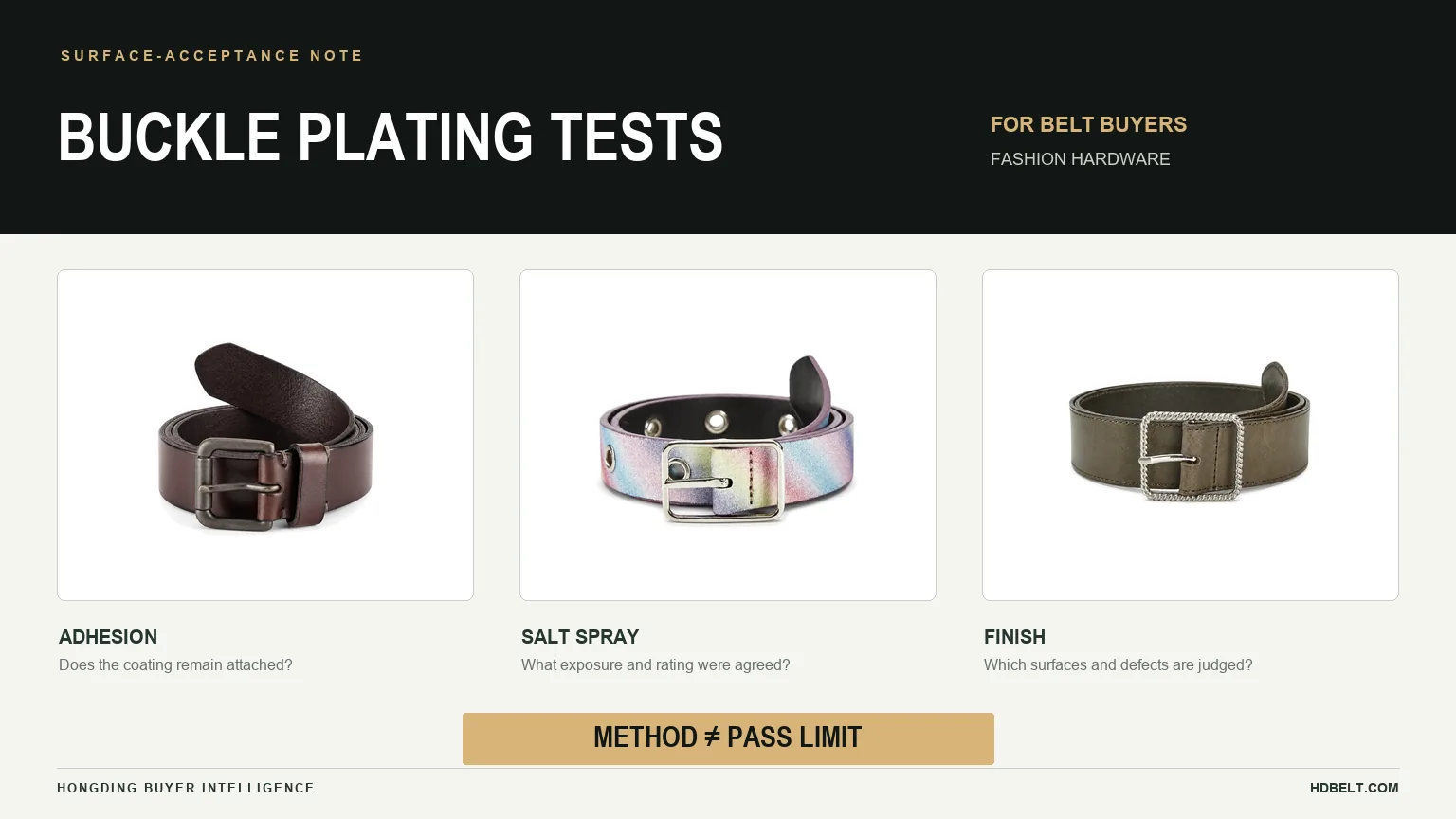
A belt buckle plating test report can look complete and still leave the buyer unable to release an order. A method name, a photograph and the word “pass” do not identify the buckle, coating system, exposure condition, inspection zones or acceptance rule. That gap prevents an auditable release decision.
For a complete fashion-belt program, the buyer must join two files. One defines the approved buckle finish. The other defines how test evidence will be produced and judged. HongDing supports this hardware QA only inside complete belt development and production programs; it does not offer standalone buckle manufacturing or independent laboratory testing. This guide shows how to build that connection without turning an ISO or ASTM practice into a universal product warranty.
In short: choose the method after defining the buckle and coating system, then write the acceptance rule before testing starts. Do not ask a laboratory to invent the product requirement after it sees the result.
Start With the Acceptance Decision
The first question is what decision the evidence must support, not which test the supplier offers. A development test can compare routes. An approval test can qualify a defined sample. A production check can confirm that the approved route remains under control. Those decisions do not use evidence in the same way.
Write the release question in plain language. Are you approving a color and texture, checking whether metallic coating adheres to the substrate, looking for corrosion defects after a named exposure, or investigating marks found after packing? Each question needs its own observable result and disposition.
The approved buckle must also match the belt system. Frame, plaque, prong, bar, moving mechanism, attachment and finish contact points can see different fabrication and handling. The belt buckle construction guide helps identify those interfaces before a test request is issued.
| Evidence | Decision It Supports | What It Does Not Prove |
|---|---|---|
| Approved finish sample | Visual target and product intent | Bulk consistency or test performance |
| Supplier declaration | Supplier’s stated material or process | Independent test result |
| Laboratory report | Named specimens under stated conditions | Every color, lot or revision |
| Lot inspection record | Observed production-lot conformity | Uninspected lots or future changes |

Define the Coating System First
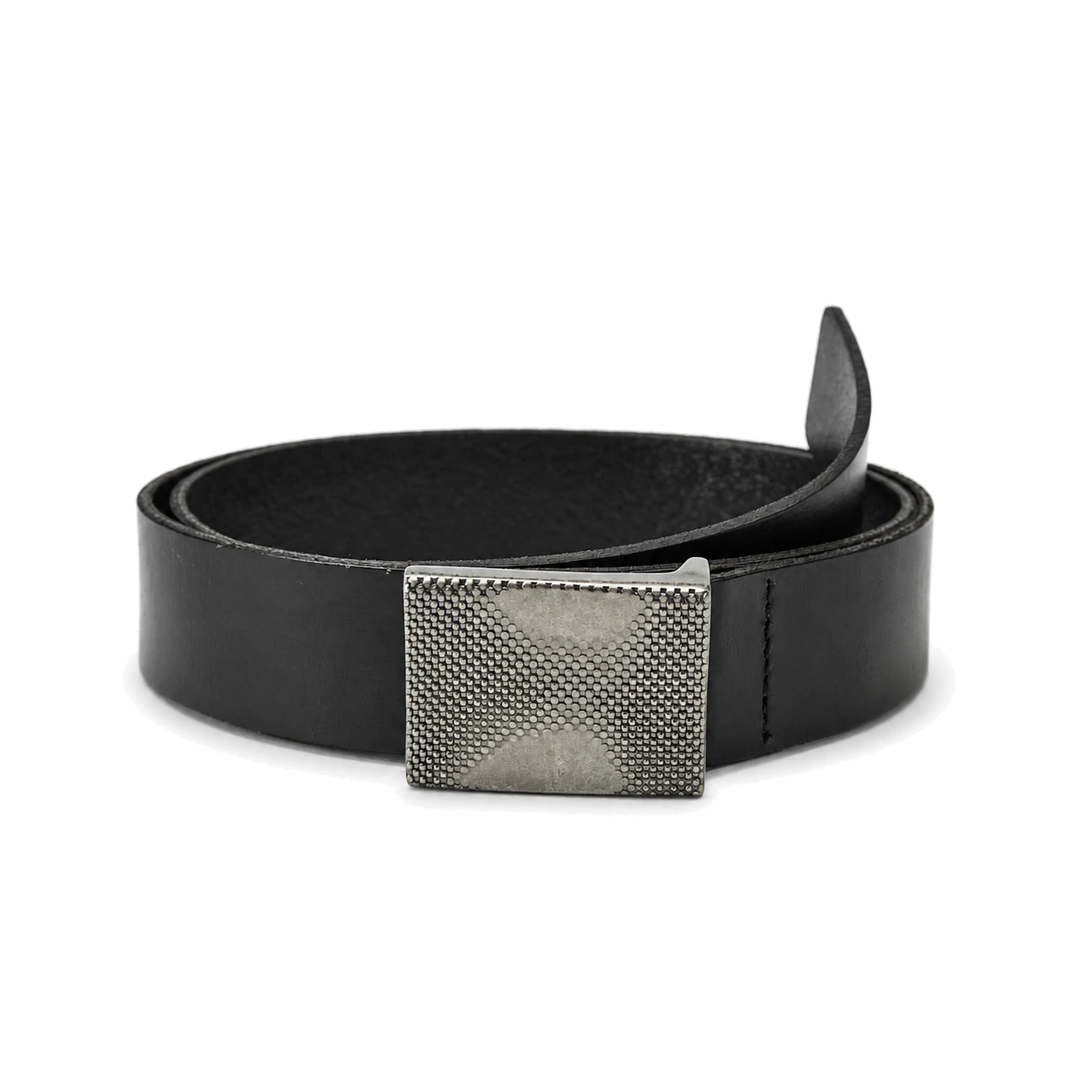
“Gold,” “silver,” “gunmetal” and “antique brass” describe an appearance direction. They do not identify a coating system. The test file should name the substrate, preparation route, deposited or applied layers, top treatment when relevant, and which surfaces receive the finish. A photograph cannot carry that hidden information.
Geometry matters as much as the visible face. Edges, recesses, holes, joints, threaded areas and moving contact points may have different coverage or stress. A separate test panel can make a process easier to evaluate, but it may not represent the shape that creates the actual defect risk.
Buyers sourcing straps and hardware together should freeze component identity alongside finish identity. The belt and buckle sourcing guide explains why a similar-looking hardware substitution can change fit, function and approved presentation. Control both records before sample approval.
Name the Exact Represented Buckle Configuration
The sample record should connect the buckle drawing or component code, revision, substrate, coating sequence, color reference and supplier route. If a test panel is used, record why it represents the part. Keep the finished buckle in the review when geometry, assembly or contact points affect the decision.
Separate Appearance Decisions From Performance Evidence
A buckle can match the approved color and still show weak adhesion. It can survive an agreed corrosion exposure and still fail the retail appearance review. It can pass both checks, then arrive scratched because the pack allows metal-to-metal contact. Treat these as separate control questions.
Appearance inspection needs a controlled reference and controlled viewing instructions. Identify the face, edge, recess, reverse and contact zones that matter. Define how reviewers handle intentional variation in brushed, antique, mottled or distressed finishes. The acceptance record should distinguish design texture from an unintended defect.
Color consistency also needs a comparison rule across components. A frame and prong may receive different handling or originate from different upstream steps. If they must read as one finish, say so. If deliberate contrast is part of the design, preserve it in the approved reference.

Select the Salt Spray Method
Salt spray is a controlled exposure practice, not a universal buckle grade. The official ISO 9227:2022 listing identifies neutral salt spray, acetic acid salt spray and copper-accelerated acetic acid salt spray procedures. It also states that specimen details, product exposure periods and interpretation belong in the appropriate product specification.
ISO says these methods can reveal discontinuities such as pores and other coating defects. It does not present them as a way to rank unlike materials or predict long-term corrosion resistance. The ISO catalogue also identifies Amendment 1:2024 for the fifth edition.
The current ASTM B117-26 practice controls operation of salt spray fog apparatus. Its scope does not prescribe a specific product specimen, exposure period or result interpretation. ASTM also warns that standalone results have seldom correlated with performance in natural environments.
| Reference | What It Controls | Buyer Must Still Define |
|---|---|---|
| ISO 9227 NSS | Neutral salt spray procedure | Specimen, exposure, evaluation, acceptance |
| ISO 9227 AASS | Acetic acid salt spray procedure | Product fit and project criteria |
| ISO 9227 CASS | Copper-accelerated acetic acid procedure | Product fit and project criteria |
| ASTM B117-26 | Salt spray fog apparatus practice | Specimen, duration, interpretation, release |
Do Not Import a Supplier’s Hour Claim
A fixed hour claim from another buckle, coating stack or customer manual is not a neutral industry rule. It may be valid for that defined program. It becomes unsafe when copied without the same substrate, process, specimen, method, evaluation points and acceptance language.
Set the duration and review intervals through the project specification. State where corrosion is assessed and what counts as a reportable observation. Separate base-metal corrosion, coating change, staining, blistering or local damage when the chosen specification requires those distinctions.
Specify Adhesion Testing by End Use
Adhesion asks whether the metallic coating remains bonded to its substrate under a selected qualitative challenge. The current ASTM B571-23 practice says end use or later fabrication can guide the technique. It also requires the method and acceptable result to be agreed for acceptance inspection.
The ISO 2819:2017 listing covers qualitative adhesion methods for electrodeposited and chemically deposited coatings on metallic substrates. It does not turn every method into a quantitative bond-strength value. Buyers should not request a number that the selected qualitative method does not produce.
Part shape can limit a method. ASTM B571 permits representative panels when allowed, but those panels must represent the material, surface finish and plating cycle of the parts. A flat panel still cannot reveal every problem at a buckle edge, recess, joint or moving interface.
Match the Challenge to the Failure Risk
Choose a method because it exposes a relevant loss of adhesion, not because it appears on a laboratory menu. Consider substrate, coating ductility, part geometry, post-plating treatment, assembly and intended handling. Record whether lifting, peeling or flaking at a named area creates failure.
Build the Test File Before the Order
For a complete belt program, send the belt design or strap specification, buckle reference, attachment method, substrate and coating direction, intended market, approved finish, test requirements and packing route. HongDing can help identify open specification and evidence decisions before sample approval; it does not accept buckle-only manufacturing work or act as an independent laboratory.
Hardware route | Controlled sample | Project-specific release
Build a Complete Test Instruction
A purchase order line that says “salt spray test required” is incomplete. The laboratory can follow a method perfectly and still answer the wrong commercial question. Build the instruction while the approved sample and supplier route are being defined.
The HongDing quality-control framework treats method, reference, result and disposition as connected controls. Plating evidence belongs inside the product control plan, where the approved reference, method, result and disposition can be reviewed together.
| Instruction Field | Controlled Entry | Hold Condition |
|---|---|---|
| Product identity | Part code, drawing, revision, supplier | Specimen cannot be traced |
| Coating identity | Substrate, coating stack, finish reference | Route or reference is missing |
| Test reference | Method name, edition, selected procedure | Edition or procedure is unclear |
| Test condition | Specimen state, exposure, review points | Laboratory must guess |
| Evaluation | Zones, observations, rating method | Only “pass” is requested |
| Acceptance | Buyer rule and decision owner | No authorized disposition path |
| Reporting | Photos, raw results, deviations, dates | Evidence lacks traceability |
Define the sample stage as well. A loose buckle, assembled buckle and finished belt can answer different questions. If the production part is tested, record whether it came from development, pilot production or a named bulk lot. If the test damages the specimen, plan how retention and comparison records will be handled.

Read the Laboratory Test Report
Start with traceability, not the final verdict. Match the report’s applicant, laboratory, issue date, sample description, component code, quantity, photographs and method edition to the controlled order file. A report for a similar gold-tone buckle is not evidence for the current component.
Next, compare the executed condition with the approved instruction. Check the selected salt spray procedure, specimen preparation, exposure, interruptions or deviations, evaluation timing and reported areas. For adhesion, check that the named qualitative method fits the part and that the report records the observed coating response.
Then read the observations before the pass statement. A laboratory may report facts while the buyer or nominated standard owns the acceptance decision. If the report applies an acceptance rule, verify where that rule came from and whether its revision matches the purchase file.
| Review Layer | Buyer Check | Reject or Clarify When |
|---|---|---|
| Identity | Part, finish, revision and photos match | Description is generic |
| Method | Issuer, edition and procedure match | Method is incomplete |
| Execution | Conditions and deviations are recorded | Critical fields are blank |
| Results | Raw observations and zones are visible | Only a verdict appears |
| Acceptance | Rule and approver trace to file | Threshold source is unknown |
| Scope | Represented colors and lots are named | Result is generalized |
A good report can still have narrow scope. It may cover one substrate, one coating stack, one supplier route and one tested condition. Record that boundary. Do not extend it to every finish, buckle geometry, production site or future lot by convenience.
Control Samples and Retest Triggers
The test report should connect to the exact sample that the buyer approved. The pre-production sample guide explains which product, appearance, hardware and packaging decisions must be frozen before bulk release. A sample without version control becomes weak evidence as soon as a component changes.
Define retest triggers before repeat production. Review changes to substrate, supplier, coating stack, chemistry, preparation, top treatment, component geometry, assembly, manufacturing site or appearance reference. Not every change requires the same action, but every relevant change needs a recorded decision.
Retesting is only one response. The decision may require document review, a new finish sample, a limited confirmation test, a full method repeat or a finished-belt check. The responsible buyer and supplier should approve the route before changed parts enter bulk production.
Carry Finish Control Into Packing
A laboratory exposure cannot prevent scratches created after assembly. Define trays, sleeves, separators or buckle protection according to the product and channel. Check the first packed unit and the final pack configuration against the approved reference.
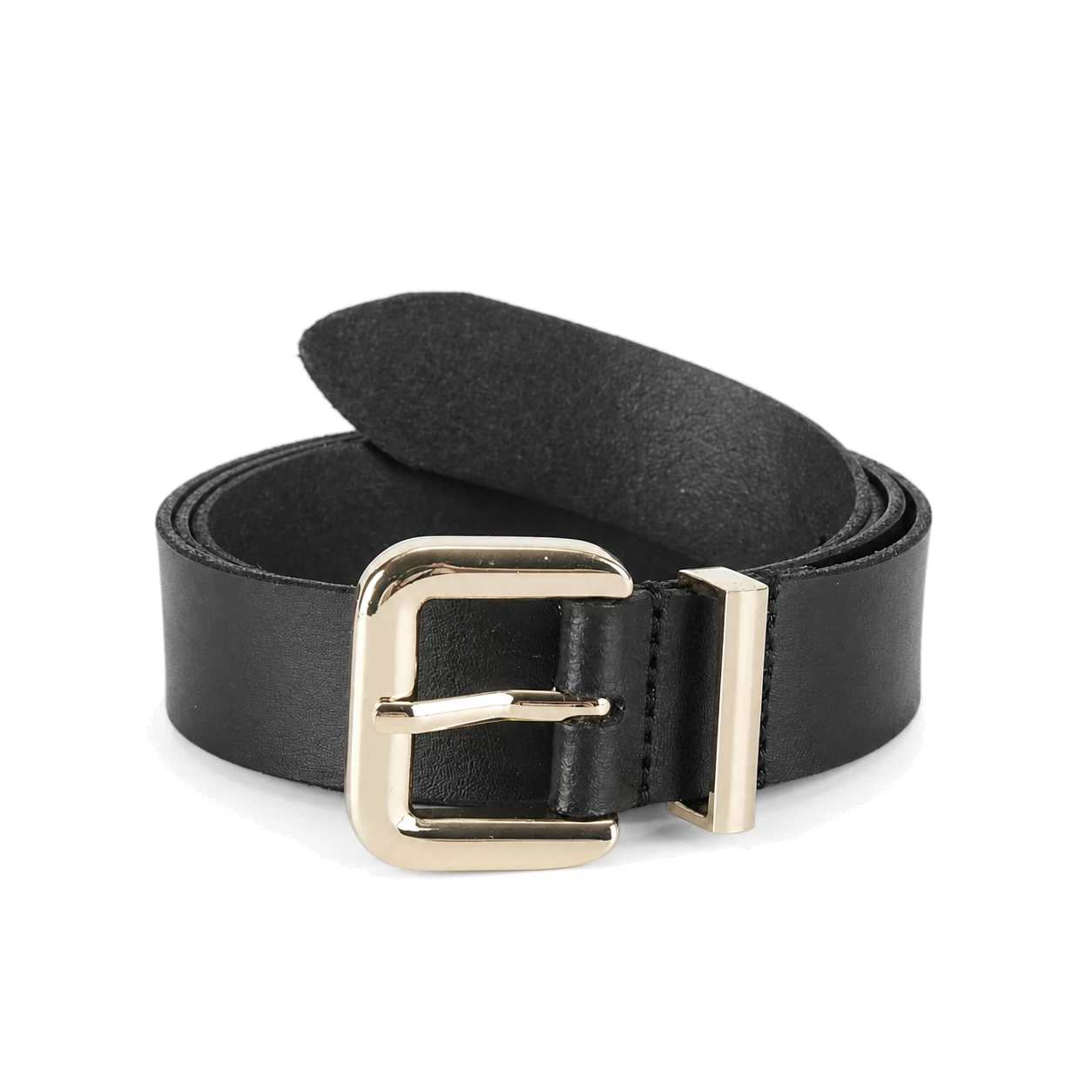
The same control logic should begin during belt design and development. A finish is easier to approve when geometry, substrate, color reference, contact points and pack protection are reviewed as one program. Early review also reduces later conflicts between appearance and performance evidence.
Frequently Asked Questions About Plating Tests
Does ASTM B117 Set Universal Passing Hours?
No. ASTM B117-26 controls the salt spray apparatus and operating practice. The product specification must define the specimen, exposure period, evaluation and acceptance rule.
Which Salt Spray Method Fits Decorative Buckles?
Choose the procedure after identifying the substrate, coating system and decision. ISO 9227 describes NSS, AASS and CASS, but the product specification must select the applicable route.
Which Adhesion Standard Applies to Metallic Plating?
ASTM B571-23 and ISO 2819:2017 cover qualitative adhesion methods for metallic coatings. The selected method must fit the coating, substrate, geometry, fabrication and intended use.
Can Test Panels Replace Finished Buckles?
Only when the governing instruction permits it and the panel represents the material, surface and plating cycle. A panel may not represent buckle edges, recesses, joints or contact points.
Can Salt Spray Predict Buckle Service Life?
No. ISO 9227 and ASTM B117 caution against treating standalone salt spray results as direct predictions of long-term performance in natural service environments.
When Should a Plating Test Be Repeated?
Review retesting when substrate, supplier, coating stack, preparation, top treatment, geometry, site or approved finish changes. Record the decision before changed parts enter bulk production.
Why HongDing Wrote This Testing Guide
Most plating questions reach buyers as a shortcut: a finish name, a supplier hour claim or a report marked “pass.” Those shortcuts hide the decisions that control whether the evidence belongs to the product. A supplier claim is not evidence until the buyer can tie it to a site, date, scope and current document.
HongDing coordinates buckle-finish decisions within finished-belt programs through the buyer brief, route definition, sampling, specification freeze, inspection and change control. We wrote this guide to make those handoffs more precise. It does not present HongDing as a standalone buckle manufacturer, standards body, plating-process owner or accredited laboratory.
Turn Test Methods Into Release Evidence
A defensible buckle finish approval uses two connected files. The product file identifies the decorative buckle, substrate, coating system, appearance reference and protected zones. The test file identifies the specimen, method edition, conditions, observations, acceptance rule and authorized disposition.
Buyer Checklist for Finish Release Decisions
- Define the coating system before selecting the test method.
- Keep appearance, adhesion, corrosion response, wear and packaging as separate decisions.
- Write product-specific exposure and acceptance rules; do not import universal salt-spray hours.
- Match every report to the current part, finish, revision, supplier route and represented lot.
For a complete belt program, send the belt or strap specification, buckle reference, attachment method, coating direction, approved appearance, intended market, test requirement and pack route when requesting a review. HongDing does not accept buckle-only manufacturing projects or provide independent laboratory testing. The next useful output is a list of open decisions that must be closed before sample approval and bulk release.