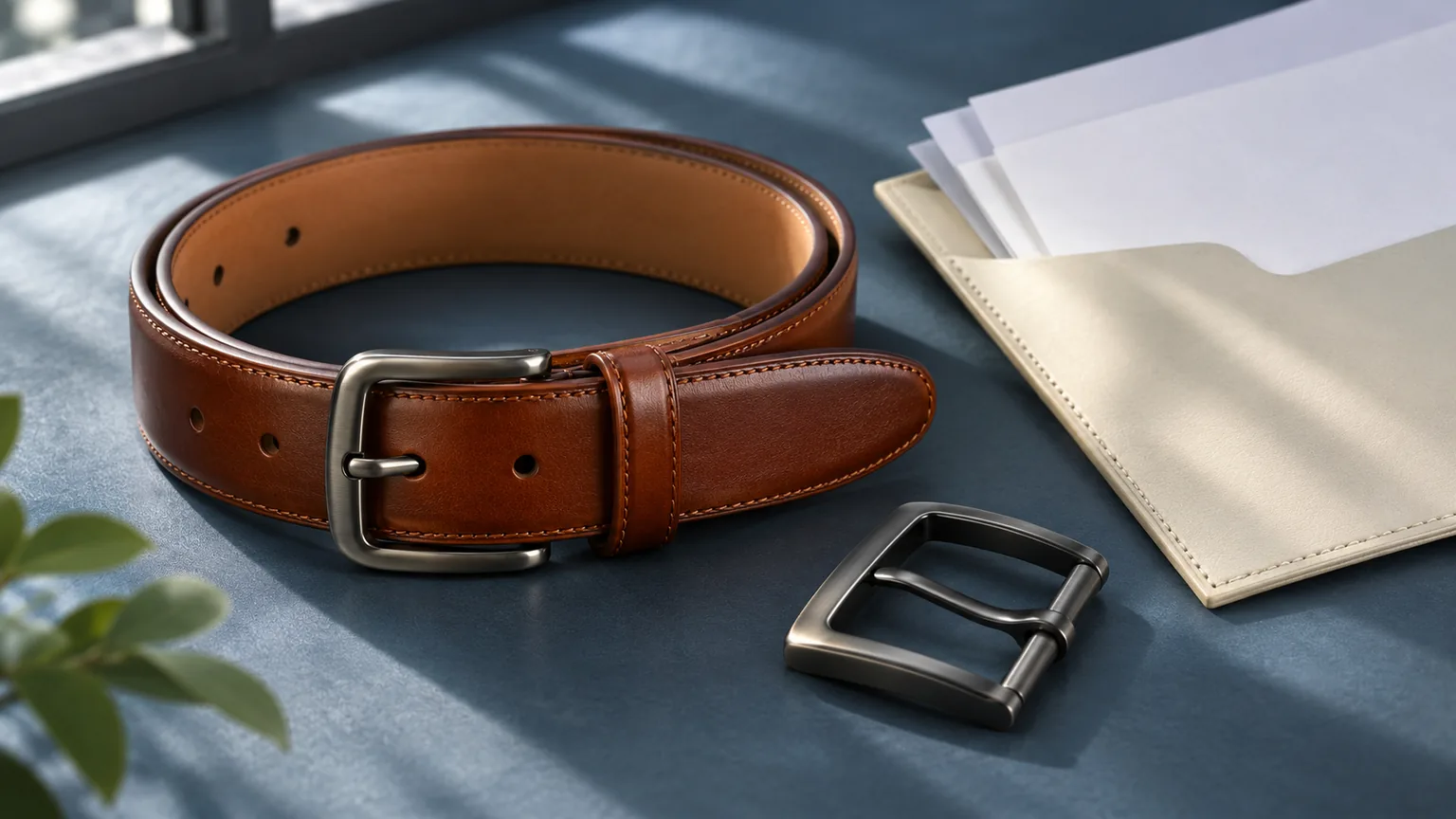
A letter of credit makes the bank’s payment undertaking depend on the supplier presenting the documents the credit calls for. An advance puts the agreed funds in the supplier’s hands before shipment. For a custom belt order, first identify what the factory needs to buy before production and what the buyer needs to see before releasing the balance. A credit can address payment risk on a well-defined shipment. A limited advance can fund a specific material or tooling commitment. Both still need a workable way to inspect the belts.
Suppose your team wants an exclusive buckle on a black leather belt for a holiday launch. The buckle maker needs a tooling decision now. Your merchandising team wants to see the plated finish on the assembled belt before approving the run. Finance wants evidence that the goods have shipped. Those are three different events. Writing “payment against approval” in the purchase order leaves all three teams guessing about whose approval releases which amount.
What actually releases the money?
Under an advance arrangement, the sales agreement sets the amount and timing. Paying the full invoice up front gives the supplier cash while the buyer is still waiting for the goods. A deposit followed by a balance leaves the unpaid portion subject to its own terms. “T/T” simply identifies a bank transfer. A transfer can be due when the order is signed, after inspection, before dispatch or after shipment. Two quotations marked T/T can leave the buyer with very different exposure. For the basic distinction, see the U.S. International Trade Administration’s cash-in-advance guidance.
With a commercial documentary letter of credit, the buyer asks its issuing bank to open the credit in the supplier’s favor. The supplier must be able to obtain and present the specified documents. The date on which a complying presentation is payable depends on the credit. A sight credit provides for payment at sight following examination. A deferred-payment credit specifies a later maturity. Neither arrangement tells you by itself when the buyer has to post collateral or reimburse the bank. Ask the issuing bank for that cash schedule alongside its fee quotation. The International Trade Administration’s letter-of-credit guide describes the parties and application process.
A bank that advises a credit communicates it to the beneficiary. Confirmation is a separate undertaking by a confirming bank. If the seller requires confirmation, find out before agreeing to the order whether it is available, on whose terms and at whose expense. A quotation that assumes a confirmed credit can become a different deal if the issuing bank, tenor or charges change.
Where a belt order becomes expensive to change
Ask the supplier to mark the first purchase that cannot readily be reused on another order. A stock buckle in an established finish might be usable elsewhere. A die carrying your monogram, a cast buckle with your initials or retail sleeves printed for a single launch may have little use outside your program. The same logic applies to leather. A hide reserved in a regular color and a strap cut to your particular width and punched with your hole pattern represent different levels of commitment.
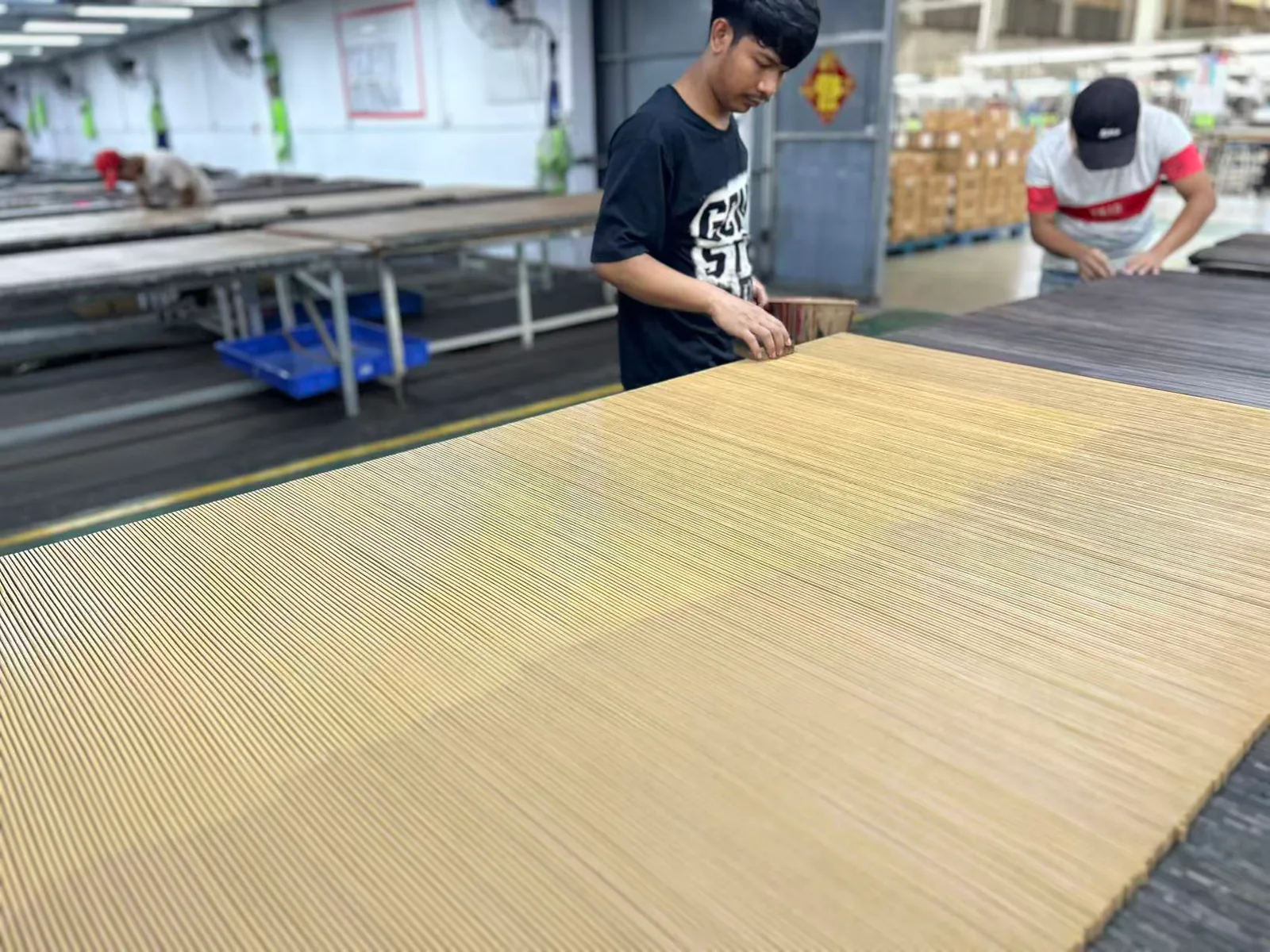
Separate development work from the bulk order when their approvals fall weeks apart. For a proprietary buckle, the first authorization might cover a drawing revision and a tool for an agreed frame width. The next might cover a plated sample on the intended strap thickness. Bulk release could then depend on how the tongue seats in the hole, whether the strap returns through the keeper and whether the approved finish survives handling under the agreed check. An invoice for tooling alone tells the buyer very little about which of these deliverables is included.
Before sending an advance, agree what it buys, whether it is credited against the production invoice, who owns any tool and what happens to committed materials if the program stops. A buyer may own a particular tool under the agreement yet still need a separate arrangement for storage, maintenance or transfer. A prototype charge can also pay for design work with no reusable tool at all. Put the answer on the order rather than asking accounts payable to infer ownership from a word like “mold” on an invoice.
Compare the two offers against the same order
Use the same style revision, quantity, freight arrangement and shipping window for both quotations. Keep the agreed Incoterms rule and named place in the commercial offer, then record the payment trigger separately. A carrier taking custody, a contractual transfer of transport risk and a bank deciding that documents comply can fall on different dates.
Decisions to settle before issuing the purchase order
On a narrow screen, scroll the table horizontally to compare the two arrangements.
| Order decision | Advance and balance | Documentary credit |
|---|---|---|
| Development funding | Identify the purchases the first installment authorizes. | Decide separately how to fund tooling that comes due before any shipment documents exist. |
| Bulk acceptance | Name the report, its reviewer and the action on a failed result before the balance is due. | Agree the physical inspection in the order. If its certificate is required for payment, make that document obtainable. |
| Shipment changes | Agree how a short shipment or a split delivery changes the amount due. | Check amount, goods description, transport terms and dates against the issued credit. Arrange any needed amendment. |
| Cash timing | Plot each actual transfer against the expected arrival and sales dates. | Ask the bank for collateral or facility use, charges and reimbursement dates. |
| Release authority | Identify who can authorize a transfer and how new beneficiary details are verified. | Identify who can request an amendment and who can assess a discrepancy on the buyer’s behalf. |
Price the administrative work too. A straightforward repeat bought from an established supplier may require very little time to reconcile. A multi-destination release under one credit may require separate transport documents, inspection references and presentation dates. Ask whether the fee quote covers issuance, amendments and any requested confirmation. Ask the seller what its bank will charge on its side. Assign the charges in writing and compare both offers in the same currency. Order value alone gives you no reliable break-even point.
Keep the approved belt and the bank documents in different files
The production file should let an inspector recognize the belt the buyer approved. It might identify the leather or strap construction, buckle reference, finish, width, measuring points, size mix, label artwork and packing revision. Set inspection timing against an achievable state of the goods. An early assembly check can reveal an oversized keeper opening. It cannot verify the final mix of sizes in sealed cartons that have yet to be packed.
The credit file serves a narrower purpose. Where the credit incorporates UCP 600, the bank examines the presented documents against the credit under the applicable rules. A buyer might specify an inspection certificate from an agreed issuer, identifying the order and reporting a defined result. The certificate can be evidence in a presentation. The bank does not open a carton, measure from the buckle reference to the center hole or evaluate whether the leather matches the approved hand feel. Articles 4, 5 and 14 of the ICC’s UCP 600 rules explain the separation between the credit, the sales contract and document examination.
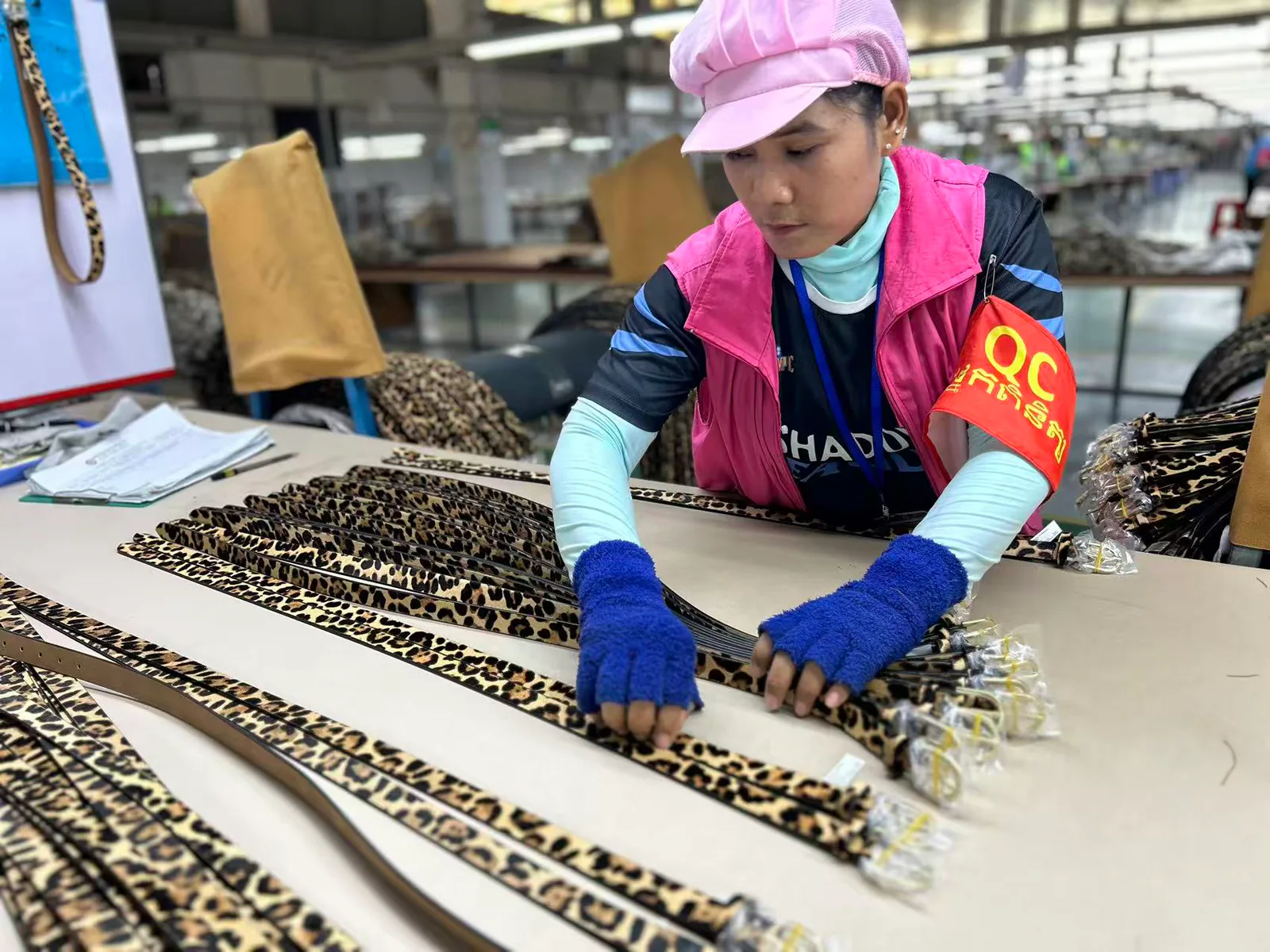
For example, “first quality belts satisfactory to buyer” gives an inspector no measurement method and a document examiner no useful description of the evidence expected. For the sales agreement, identify a retained sample and the attributes, tolerances and packing checks that will decide acceptance. For the credit, agree with the bank and supplier on a document type, issuer, identifiers, timing and required statement. Have the proposed issuer review the request. An inspector may report what was examined while declining to certify a lifetime performance promise or a quantity it never counted.
Keep the full inspection report and the disposition of defects accessible even when the bank needs only a certificate. For a finish mismatch isolated to one buckle lot, record which cartons contain that lot, whether the buyer authorizes replacement and who verifies the corrected goods. If the buyer accepts a deviation, record its scope and whether it applies to future orders. A merchandising email approving a particular shade change has no automatic effect on an issued credit.
Try to produce the documents before opening the credit
Give the draft credit to the people who will actually supply the documents. The seller’s export team can prepare a specimen invoice. The packing team can produce a representative packing list showing pieces and cartons. The forwarder or carrier can advise what transport document will be issued for the intended booking. The inspector can confirm its document title, signatory and when the report will be ready. Start with these specimens in hand and trace one style and one shipment through the set.
- Reconcile units and amounts. A buyer ordering 1,200 two-belt gift sets may describe them internally as 2,400 belts. State which unit is priced, how the component count appears on the packing list and whether display packaging is included. Two honest documents can look contradictory when one leaves the unit unstated.
- Match the transport evidence to the route. A last-minute change from ocean freight to air changes the document available from the carrier. A split release to save a launch may also affect quantities, drawings and dates under the credit. Let the bank review proposed changes before dispatch.
- Map the dates backward. Enter the latest shipment date, the presentation period and the credit expiration date and place. Allow time after shipment to obtain, check and present the actual documents. A carrier booking is useful to the shipping team, but it cannot establish that a shipment has already taken place.
- Check who controls each signature. If a certificate needs the buyer’s own signature on site, establish who will attend, what that person can sign and what happens if the visit is canceled. An independent inspector able to issue the agreed report on time may offer a more workable route.
Review a changed order against both files. Suppose the buyer moves from individual boxes to bundled sleeves after the credit has been issued. The product team can approve the sleeve and update its packing specification. If the credit requires an inspection certificate stating that every belt was individually boxed, the seller now faces a documentary problem even if the buyer loves the new packaging. Resolve the conflict before presentation. A new purchase order revision cannot amend the bank’s text.
Worked example: a tooling advance and a shipment balance
Consider an illustrative order for 2,000 belts at $12 each, or $24,000 for the finished goods. Suppose separately priced buckle tooling costs $1,200. If the tooling fee is additional, total agreed consideration is $25,200. If the deposit is instead an installment of the $24,000 goods price, a $1,200 payment leaves $22,800 due for goods. Those two interpretations produce different final invoices and different amounts to cover under any credit. Decide which applies before either side enters the figures into its system.
Now assume the tooling is additional and the parties agree to pay it on the agreed development milestone. One option is a bank transfer for that fee followed by a documentary credit for $24,000 of finished goods. The supplier gets a defined route to recover the early tool charge. The buyer can have the production sample evaluated before authorizing the run. A second option is an agreed goods deposit and a transfer of the remaining balance after a stated inspection event. Compare how much cash leaves before the buyer sees the goods, and how much production cost the seller must carry before the balance arrives.
Work through a short shipment while both sides are still negotiating. If only 1,900 conforming belts are ready, their goods value at the example price is $22,800. The next decision is whether to hold the lot, ship the accepted quantity and close the order, or ship the remaining 100 later. A buyer accepting 1,900 pieces in an email should have finance and logistics review the drawing amount, partial-shipment terms and remaining dates before anyone promises payment. A credit that does not accommodate the agreed outcome may need amendment. Under transfer terms, an earlier deposit must still be reconciled to avoid paying for the missing pieces twice.
What to do when evidence and goods disagree
The belts pass, but a document conflicts. For example, the commercial invoice identifies gift sets and a certificate states the same number of individual belts. Ask the issuer what it actually inspected and whether it can legitimately correct the document within the available time. Never change a count to make a presentation look tidy. Where a discrepancy cannot be corrected, the banks can explain the applicable refusal or waiver process. The buyer’s commercial willingness to accept the goods does not, on its own, make the presentation complying.
The documents comply, but the buyer discovers defects. Retain the sample revision, measurements, carton identities, defect photographs and receiving records. Notify the supplier under the sales agreement and trace the affected goods before they enter retail distribution. The contractual claims route and the bank’s obligations under the credit are separate. Get transaction-specific guidance before assuming that opening a quality claim stops payment.
The beneficiary details change just before an advance. Put the transfer on hold and verify the request with an established contact through a channel obtained independently of the change notice. Resolve any mismatch between the seller named in the agreement and the proposed payee with finance. Keep the verified instructions with the payment authorization. An urgent dispatch request does not establish who controls the receiving account.
What to send with a request for payment options
Give the supplier a style reference, estimated quantity and intended shipment pattern. Say whether a custom buckle, brand-specific packaging or another component requires an early commitment. If you are weighing a credit, ask who can issue the proposed inspection and shipping documents and when each becomes available. Take the resulting schedule to your bank for the actual terms and charges. If two suppliers quote different terms, compare them against the same belt specification and cost basis.
For a discussion with HongDing, identify whether you are reserving an available style, scheduling a repeat or developing a new belt. A reference photo and your expected size mix are sufficient to start that conversation. The next useful output is a timeline showing the first material commitment, the sample decision and the earliest meaningful inspection point. Payment options and any tooling charges can then be discussed against the actual order. Review HongDing’s bulk belt supply routes.