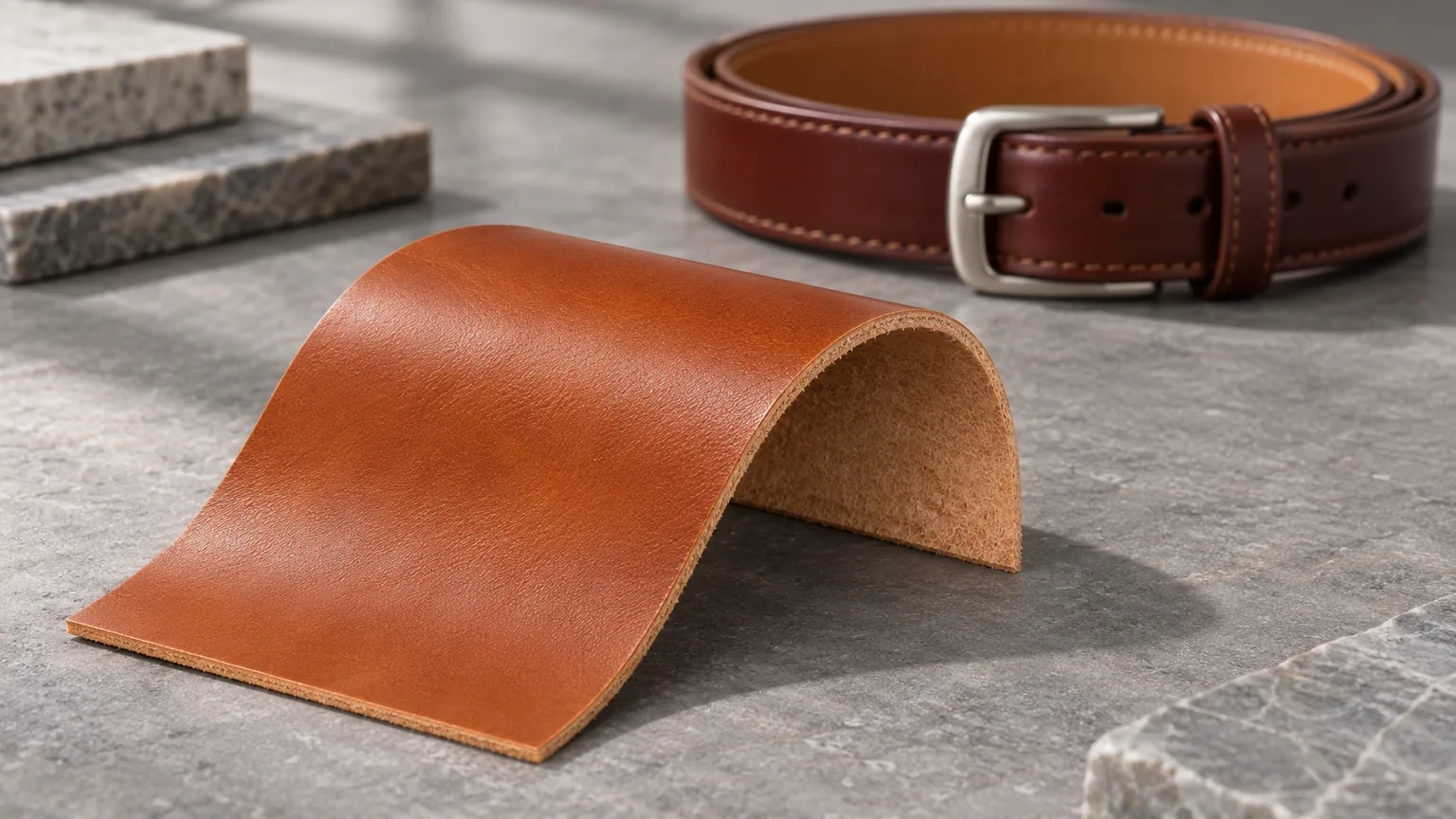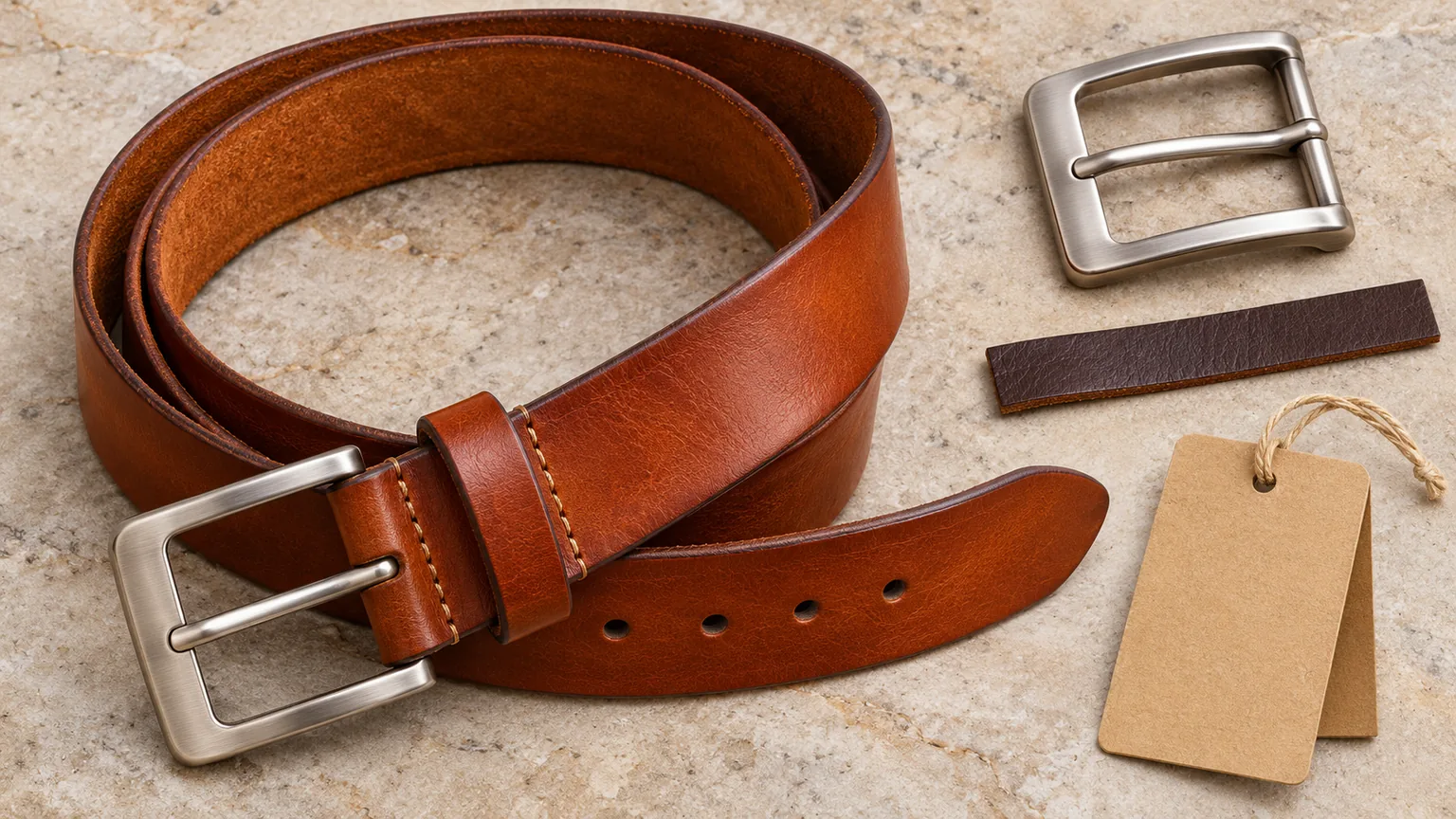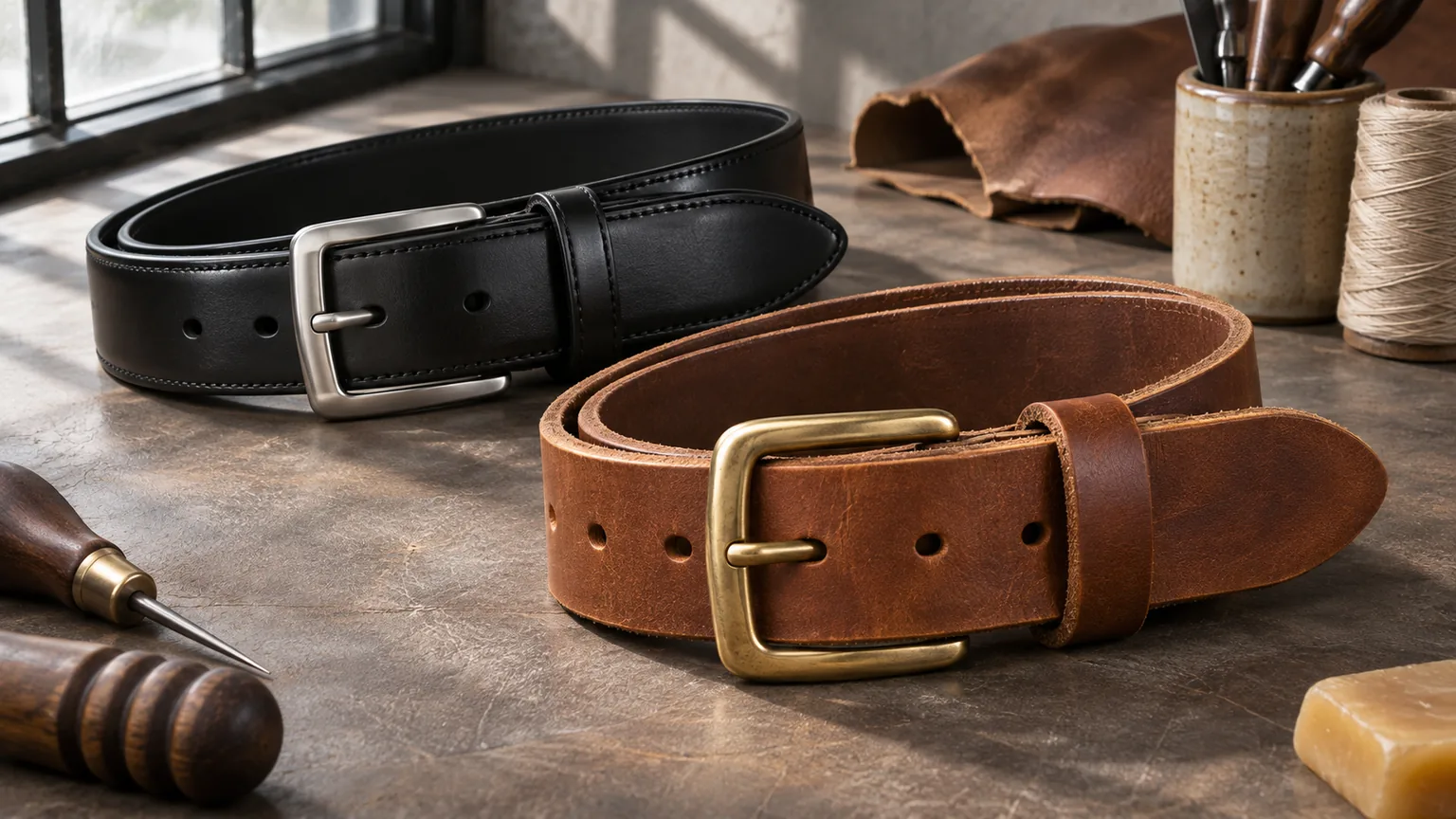
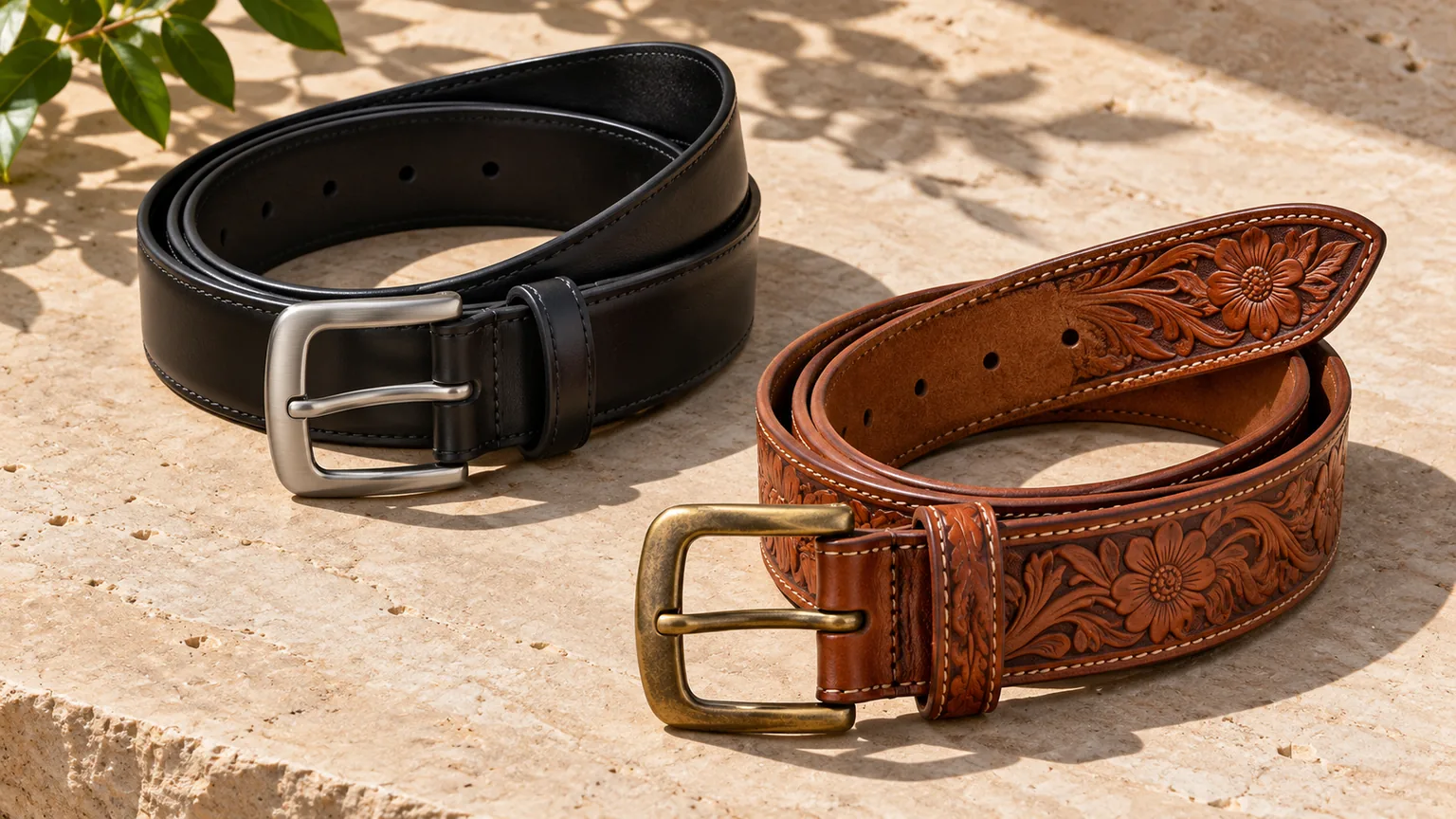
Five Mexican leather belt manufacturers worth contacting are UNICCO Belts for sampling a branded line, Mextrim Group for a belt sold with a garment, Cinturones Díaz for cowhide styles from Atoyac, Cintos Imperial for wholesale western belts and buckles, and JAQPIEL for a belt paired with a leather accessory. Start with the maker whose existing work comes closest to your order. The right first question for a stockist can be quite different from the one a brand developer needs to ask.
A merchant who needs thirty-six finished belts for a store opening wants to know which sizes can ship together. A brand introducing its own buckle needs to know whether someone can alter the strap pattern, build a sample and reproduce the fit across its size range. Both can search for a leather belt manufacturer in Mexico and find the same name. Only one may be buying the service that company actually offers.
Which maker should receive your first inquiry?
We selected five distinct businesses that describe making finished belts in Mexico and provide a public route to a sales or project conversation. The locations and capabilities below come from the manufacturers’ own pages. This editorial shortlist groups them by the work a buyer can reasonably ask about. We have no comparable audited figures for capacity, quality or sales, and the order carries no score. HDBelt publishes this guide and supplies belts independently of the five companies.
Five manufacturers compared by purchase route
On a small screen, swipe the table to read the final column.
| Manufacturer and location | Published offer | Question to settle first |
|---|---|---|
| UNICCO Belts · Mexico City | Leather belt manufacturing, sample development and experience with licensed programs | Can the sampling team work with your own artwork and the proposed construction? |
| Mextrim Group · State of Mexico | Leather and synthetic belts, garment labels and packaging | Who approves the assembled belt, hanger and garment as one retail unit? |
| Cinturones Díaz · Atoyac, Jalisco | Plain, stitched, decorated and western cowhide belts under the D CINDILO name | Which features of the selected catalog reference can change? |
| Cintos Imperial · Jalisco | Artisanal cowhide belts and buckles, wholesale inquiries and authorized distribution | Who supplies your territory and can you reorder the same buckle and strap together? |
| JAQPIEL · León, Guanajuato | Leather belts and wallets, wholesale and commercial project inquiries | Can the two items be matched, approved and replenished separately? |
1. UNICCO Belts — a starting point for a brand-led sample
UNICCO identifies its business as Industrias Unidas de Piel and describes making leather belts in Mexico City. Its website discusses a sample laboratory, work with different materials and experience with licensing. A corporate inquiry form and an email address give product teams a direct way to describe a project. Those details make it a sensible first call for a brand developing its own range. The site’s statements about the scale of its business tell you little about the availability of the sampling team for a particular delivery. UNICCO Belts manufacturing and contact information.
If you are designing a family of belts, send one representative style and show what changes across the family. For example, three strap colors might share the same buckle. Two strap widths might require two buckle sizes, two sets of keepers and different cutting patterns. A request for “six options” conceals that difference. Ask the sample team which components can genuinely be shared. Its answer helps you identify the first sample worth paying for and the variants that need a separate fitting.
Licensing experience raises a specific commercial question. Ask who will supply or approve artwork, which markets it covers and whether the developer can send a sample without any third-party marks for the construction review. A maker’s ability to produce licensed goods for another customer gives you no rights to those designs. For an original line, specify who may use your tooling after the order and how a replacement buckle will be ordered if the first finish becomes unavailable.
2. Mextrim Group — belts, apparel trims and retail packaging
Mextrim traces its belt manufacturing to the State of Mexico and lists a contact in Cuautitlán Izcalli. Its current product range distinguishes leather belts from synthetic and braided options. The belt section names strip cutting, sewing, riveting and edge finishing. Labels and packaging appear alongside belts as a separate part of the business. That combination is particularly relevant when the merchandise team is buying a belted dress or trousers and has to coordinate the accessory with the garment. Mextrim Group belt processes, packaging and sales contact.
Send a piece of the production garment or give the maker the smallest usable opening in the belt loops. Finished width on its own can give a misleading answer. A keeper at the buckle end adds bulk, and a decorated tip can be wider than the middle of the strap. A sample should pass through the garment as it will reach the shopper. If the belt is threaded through the garment before packing, ask the person responsible for final packing to try the operation and report where it catches.
Separate the strap specification from the packaging specification in the quote. Record the leather face, lining or backing, any filler and the edge treatment. Then itemize the hanger, printed card and attachment. If a lower-cost synthetic option is also requested, put it on its own line with its own material description. A quote for an unlined synthetic strap and a quote for a stitched leather belt can have the same width, shade and buckle silhouette while buying you very different products.
3. Cinturones Díaz — a cowhide reference for comparing finishes
Cinturones Díaz López says it designs and manufactures its belts in Atoyac, Jalisco. Its D CINDILO range groups plain and stitched models, engraved or decorated styles, and western craft belts. The website identifies cowhide in all three groups, shows a size chart and lists a sales contact. For a buyer choosing between a clean everyday belt and a decorated version, the range provides identifiable products to discuss before commissioning new artwork. Ask sales which sizes and colors are available for the exact style you select. Cinturones Díaz collections, manufacturing history and sales details.
Send the two model references side by side and ask for photographs of the belt tip, the back and the area around the holes. A surface motif that looks neatly centered on the middle size can end awkwardly near the tip of a shorter belt. If a repeat runs into a punched hole, the prong can hide a feature the designer intended to show. Decide whether matching the motif at the tip or leaving an undisturbed area around the working holes matters more to the collection. Ask to see the smallest size with the intended layout before extending it to the run.
A catalog photograph is a good starting point for identifying the desired look. Obtain written agreement before asking for a different brand mark, an exclusive decoration or an adaptation of a seller’s original pattern. An existing stock style with the maker’s mark may suit a retailer that needs a fast trial. A brand that needs the same visual language under its own name needs a separate discussion about design rights and what the maker is willing to change.
4. Cintos Imperial — a wholesale route for western belts and buckles
Cintos Imperial describes its Jalisco origins, buckle-making history and production of artisanal cowhide belts. Its catalog separates decorated belts, plain styles and buckles, and its sales page invites wholesale inquiries. It also directs buyers to authorized distributors for its original branded merchandise. For a western retailer, the practical first step is to ask Imperial which contact can quote and supply the exact collection in the intended market. Its public material does not promise a private-label version of those designs. Cintos Imperial products and wholesale route. Imperial’s manufacturing history.
For a substantial buckle, request both a front view and a side view of the assembled belt. Width at the bar determines whether the strap fits across it. The space over the bar determines whether a thick folded strap can move and lie flat. As the face of a buckle grows, a heavy or raised design can sit differently on the waistband even when the same strap can be fitted. If customers will swap buckles, test with the exact replacement hardware as well as the display combination.
Imperial’s published order terms describe an advance to begin work, a balance before dispatch and shipping charged separately. Ask for the current terms in the quotation for your order, with the model codes, size breakdown, named seller and freight arrangement. When some sizes sell through faster, you will want to know if you can replenish straps alone, if the buckle and strap must be reordered as a set, and whether the repeat order can be placed with the same authorized seller. Imperial order terms.
5. JAQPIEL — a belt and wallet bought as one collection
JAQPIEL describes its leather goods manufacturing roots in León, Guanajuato, and lists belts, wallets and accessories. Its project quotation and wholesale contact is a useful entry point for a buyer building a small collection around more than one leather article. The page provides a León address. It leaves the manufacturing details, material options and terms for a particular belt open for discussion. Ask for a current belt reference and the location that would make your specific order before treating the sales address as the production site. JAQPIEL leather goods and project inquiries.
A paired wallet and belt make a useful trial because a single color name can hide two very different handles. The belt has to resist lengthwise stretch around the holes and fit its hardware. A wallet panel must fold around cards without forcing the pocket open. Asking for the same thickness on both pieces can defeat one of those jobs. Instead, agree a face color and surface character, then approve the thickness and internal construction of each item separately.
Ask to see the pair under the same light with the leather bent around each product’s normal working radius. A waxy surface that looks uniform when flat can lighten as it bends. Whether the difference is attractive or unacceptable is a merchandising decision best made with the two pieces in hand. If the buyer expects to sell the items individually as well as in a set, record distinct item references, packaging requirements and reorder quantities. A wallet running out of stock should not automatically prevent a belt replenishment.
Make three physical checks before comparing prices
Start at the edge. If a quote says only “genuine leather,” ask for a short offcut from the proposed strap with the layers visible. A one-piece strap can have a finished face and a dressed flesh side. A lined strap may put a different leather against the garment and conceal an intermediate layer. Cutting, bonding, stitching and edge finishing each depend on that structure. Photograph the section next to the sample reference and ask the maker to identify each layer in writing. A photograph of the top grain pattern alone cannot answer that question.

Measure a working size. Choose a size, fasten the belt and agree which point on the buckle is the starting point for its length measurement. Record the distance to the preferred hole and the amount of tail that extends through the keeper. Two samples cut to the same overall length can fasten at different circumferences if the buckles place the prong differently. That discrepancy matters for retail size labels. Ask for the same measurement on a small and a large size before accepting a chart built from the middle sample.
Use the buckle on the finished strap. Look at the parts of the prong and frame that touch the leather. Fasten and release the belt while watching the hole edge and the finish immediately behind the buckle. A raised pattern near the fold may resist bending, and a keeper sized for a thin sample may scrape the face of a thicker production strap. Note the specific point of contact. A request to change the keeper opening challenges one variable. A general complaint that the belt feels stiff can lead to a completely different leather substitution.

What to send two finalists for a comparable quote
Suppose a brand wants a 35 mm brown belt for a denim launch. It has a photograph, a pair of jeans and an estimated first order of 600 pieces split between two colors and five sizes. These are example inputs a buyer can supply before it has a technical pack. Ask one supplier to propose its closest existing model and the other to identify a construction it already runs successfully. Have both specify which parts of the pictured belt they propose to match, the changes they require and the parts that would need tooling.
In that example the average is sixty pieces per color and size, but the actual demand is unlikely to be evenly distributed. A buyer might need just twelve units at the smallest size and many more in the middle. Give suppliers the actual size breakdown and ask where minimums apply. A buckle order may support both colors while a particular leather finish has its own minimum. If the first offer requires more leather than the initial run consumes, ask who pays for the excess, who stores it and whether it will be reserved for a repeat.
Request a belt price, a packaging price, any one-time charges, sample charges and the shipping basis to the same named destination. For an illustrative $180 die used on 600 pieces, the first order carries $0.30 per belt before freight or other costs. If the other offer uses existing tooling, it may look better on the first order even at a higher unit price. Run the calculation again for a reorder using the same die. Whether the second order benefits depends on ownership, storage, condition and permission to use that die again.
For an export order, separate the identity of the factory from the identity of the seller issuing the commercial documents. Ask for the invoicing entity, place of final assembly, who handles shipment, and which product and origin information the seller can provide against the exact item. A statement that a company ships internationally gives you a reason to inquire. The documents for one belt, destination and shipment determine what your broker can assess. Confirm current import requirements with that broker before budgeting duties or committing to retail delivery.
Choose the maker using the sample you can reorder
Put the two finalist samples on the garment. Record the differences that would change a purchase decision, such as a buckle that catches on the loop, a stamped motif that shifts on the short sizes, or an edge color that rubs against a pale waistband. Ask each maker for one specific correction and an updated quote showing its effect. An honest explanation that a new buckle opening is needed can be more valuable than a low price attached to a sample the factory cannot reproduce.
For a branded wholesale purchase, hold the model number, size chart, approved seller and reorder route together. For a custom design, retain the approved sample, strap construction, hardware reference, permitted variation and packaging reference under a dated revision. That record gives a buyer a concrete starting point when the merchandising team asks for a second color or the supplier proposes a substitute component.
If production in Mexico is a firm requirement, send your brief directly to the shortlisted makers through their linked company pages. If you are also comparing a development route in China, HDBelt can review a reference photo or sample, the target market, expected quantity and the changes you want to make. Use the same brief with each supplier so the replies answer the same purchasing question. HDBelt OEM and ODM belt development.