
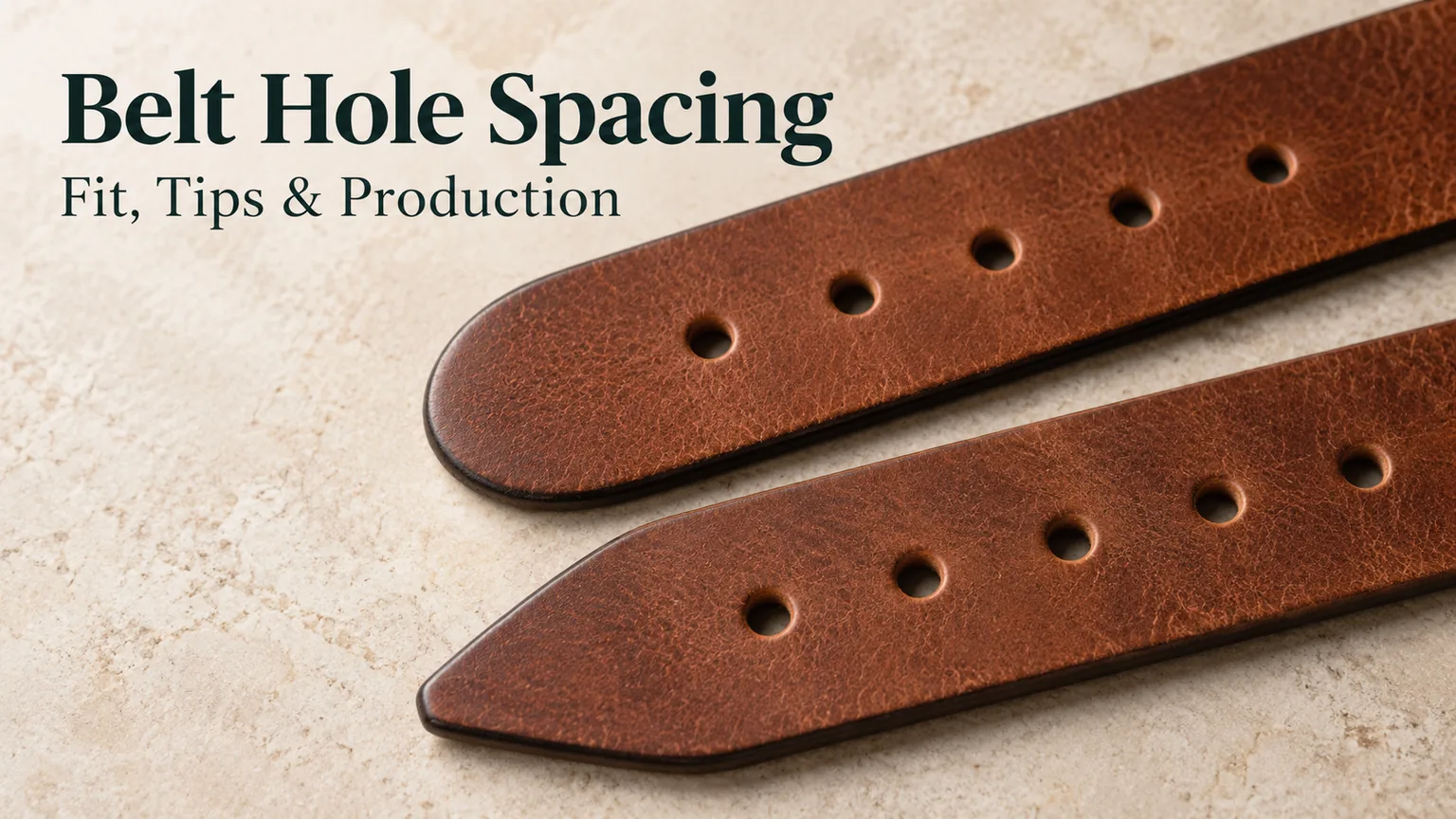
Belt Hole Spacing and Tip Shape: Fit Rules for Production
Specify belt hole spacing, buckle datums, tip shape and tail length together. Learn the fit calculations and sample checks that support repeatable production.
Belt Manufacturing Knowledge for Buyers
Use practical guidance on supplier selection, product and material decisions, OEM development, manufacturing control, compliance, packaging and reorders.
Specify belt hole spacing, buckle datums, tip shape and tail length together. Learn the fit calculations and sample checks that support repeatable production.
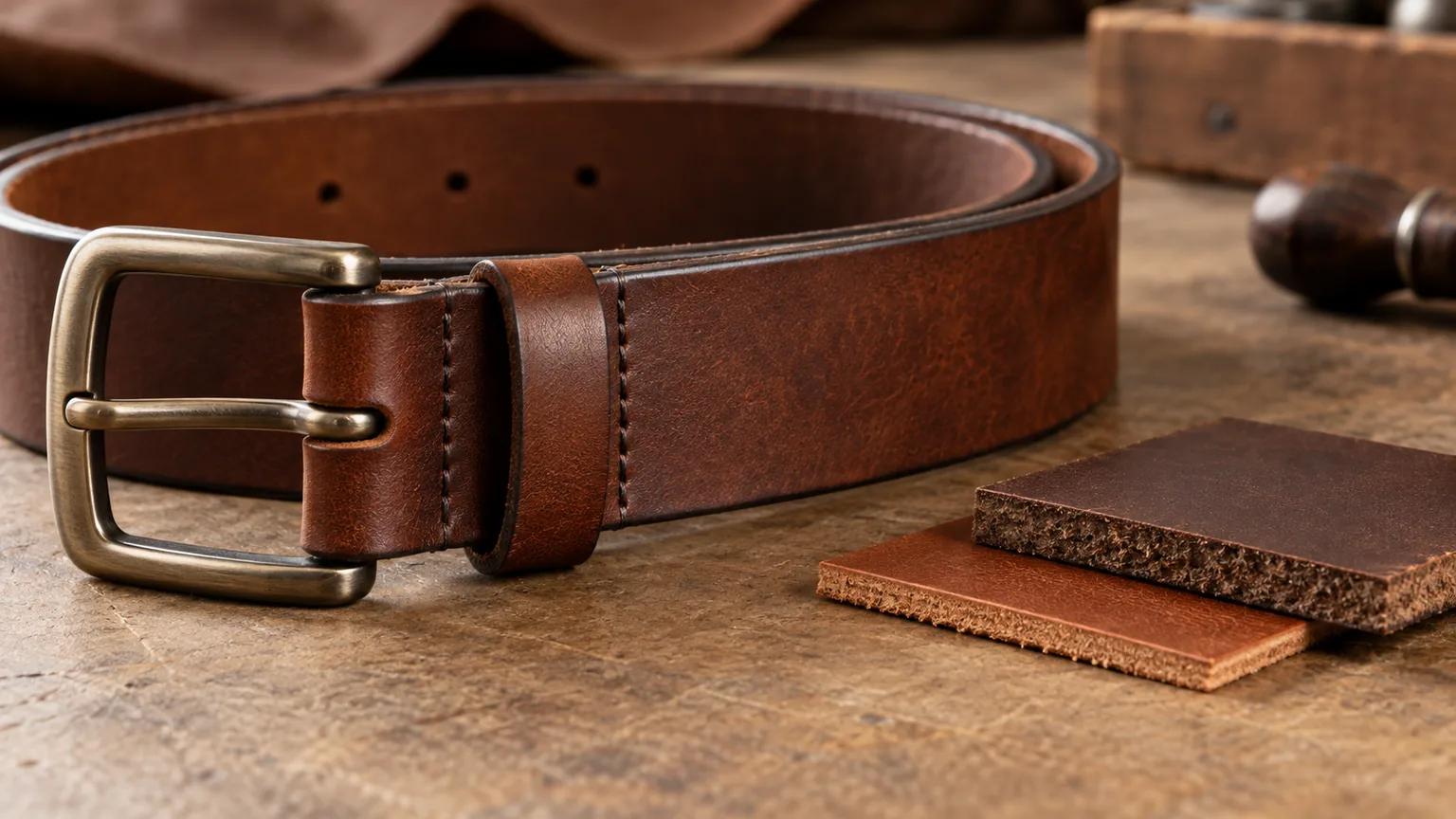
Choose belt leather thickness by finished construction, buckle fold and use. Compare single-layer, lined and padded builds, then set measurable points.
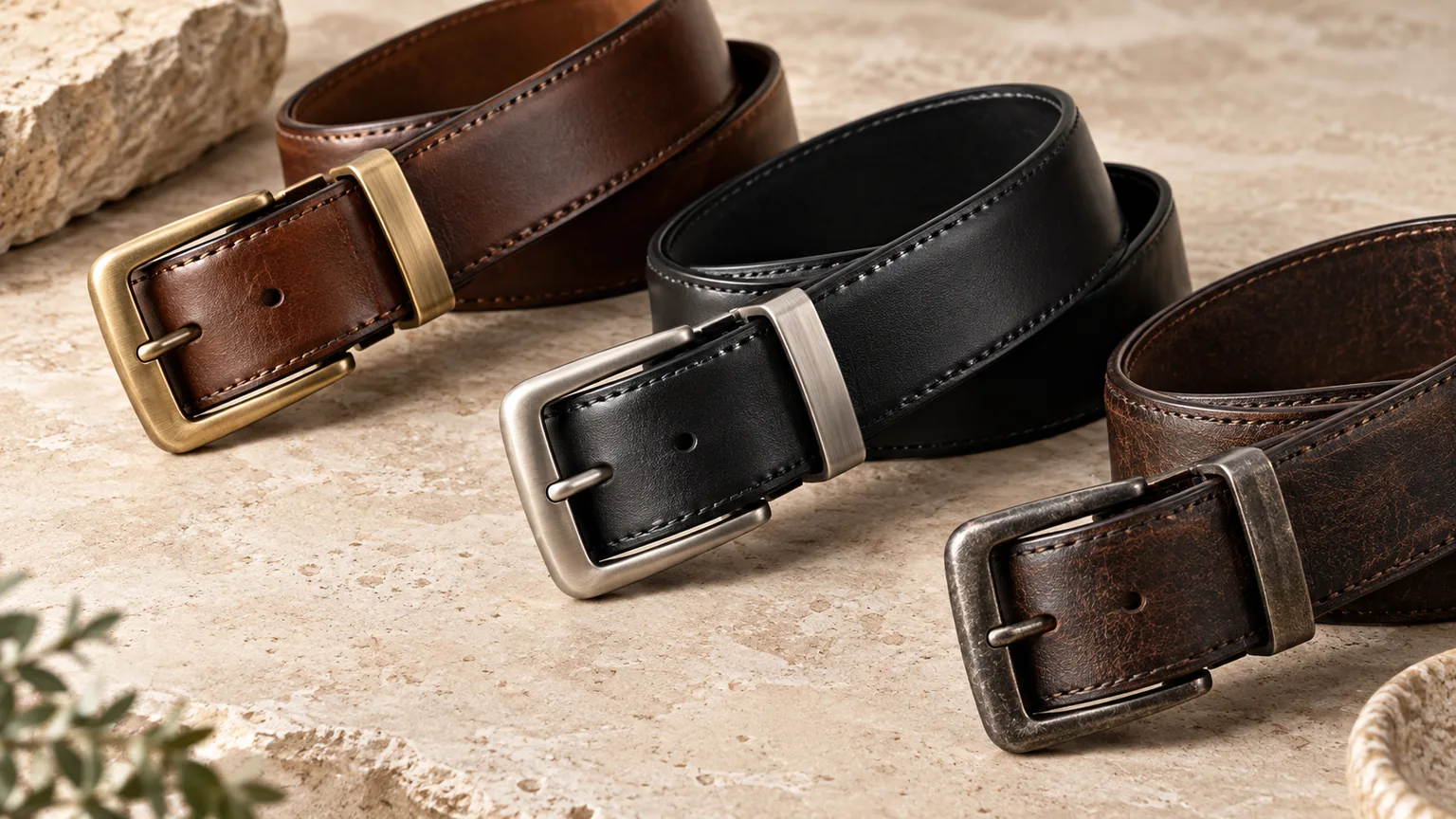
Compare polished, brushed, antiqued and mixed-metal belt hardware as design options. Coordinate buckle, keeper and tip finishes from sample to bulk.
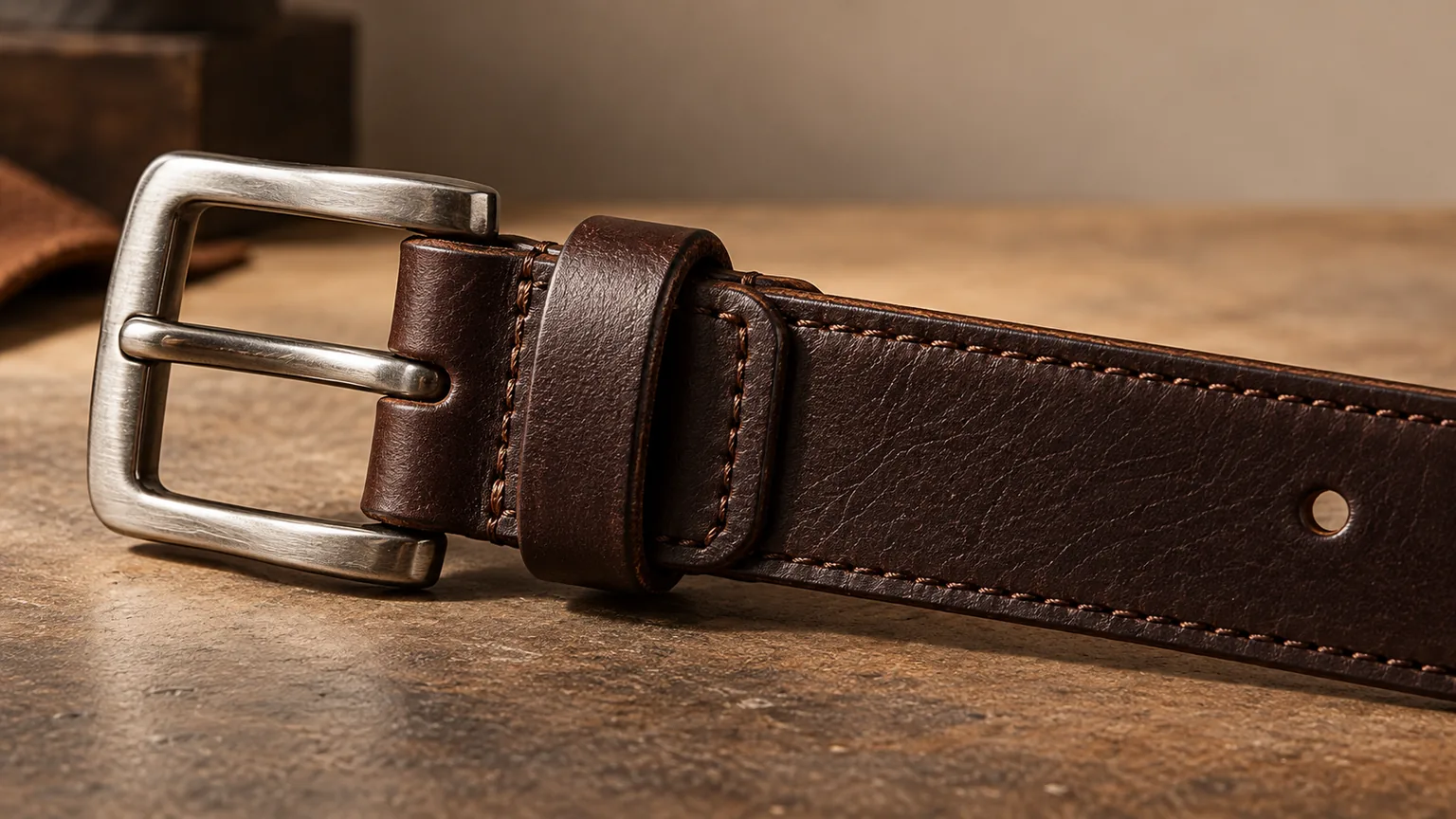
Define a finished-belt pull test around the buckle, attachment, strap and adjustment point. Learn which results and failure details support approval.
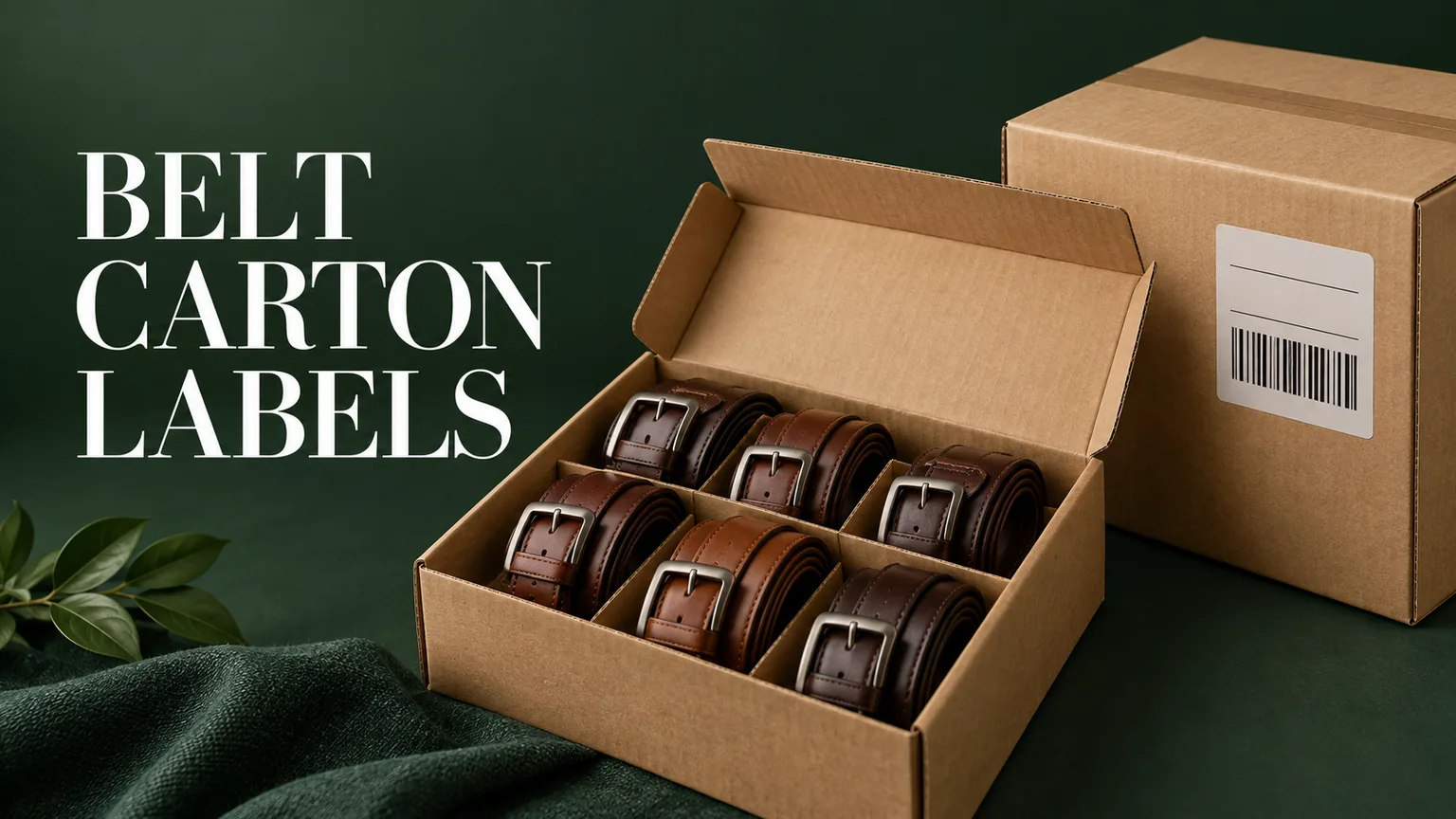
Map belt retail, case and logistics labels; separate GTIN from SSCC and check scanned carton data against the real pack before shipment.
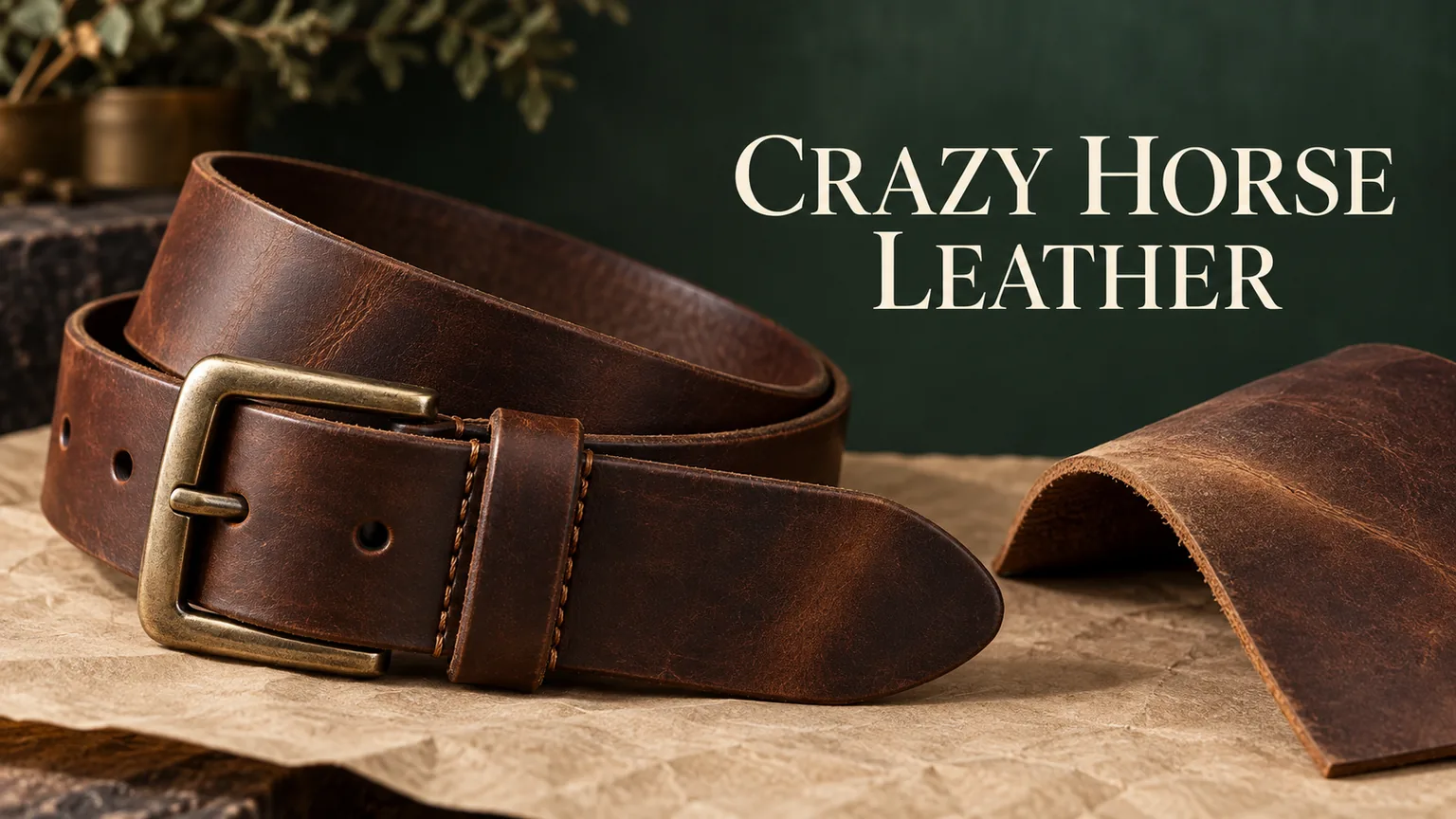
Understand Crazy Horse pull-up leather for belts: what the name does and does not prove, how the finish changes at bends, and what brands…

Specify work belts by actual use, strap construction, buckle fit and wear points. Learn what to check on samples before a retail size run…
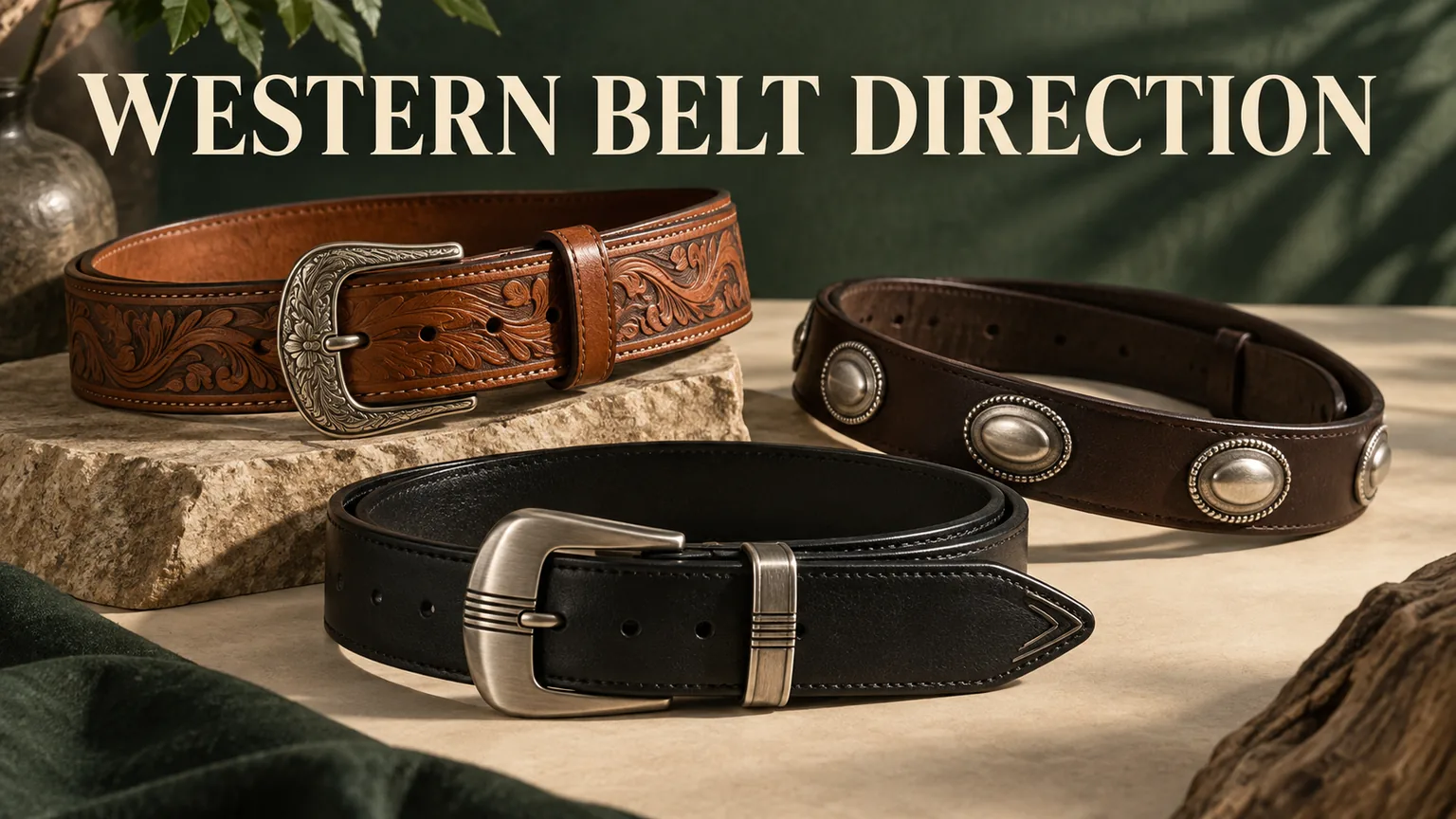
A 2026 design brief for Western belts: choose a lead cue, engineer tooling and conchos, and turn a trend reference into a workable sample…
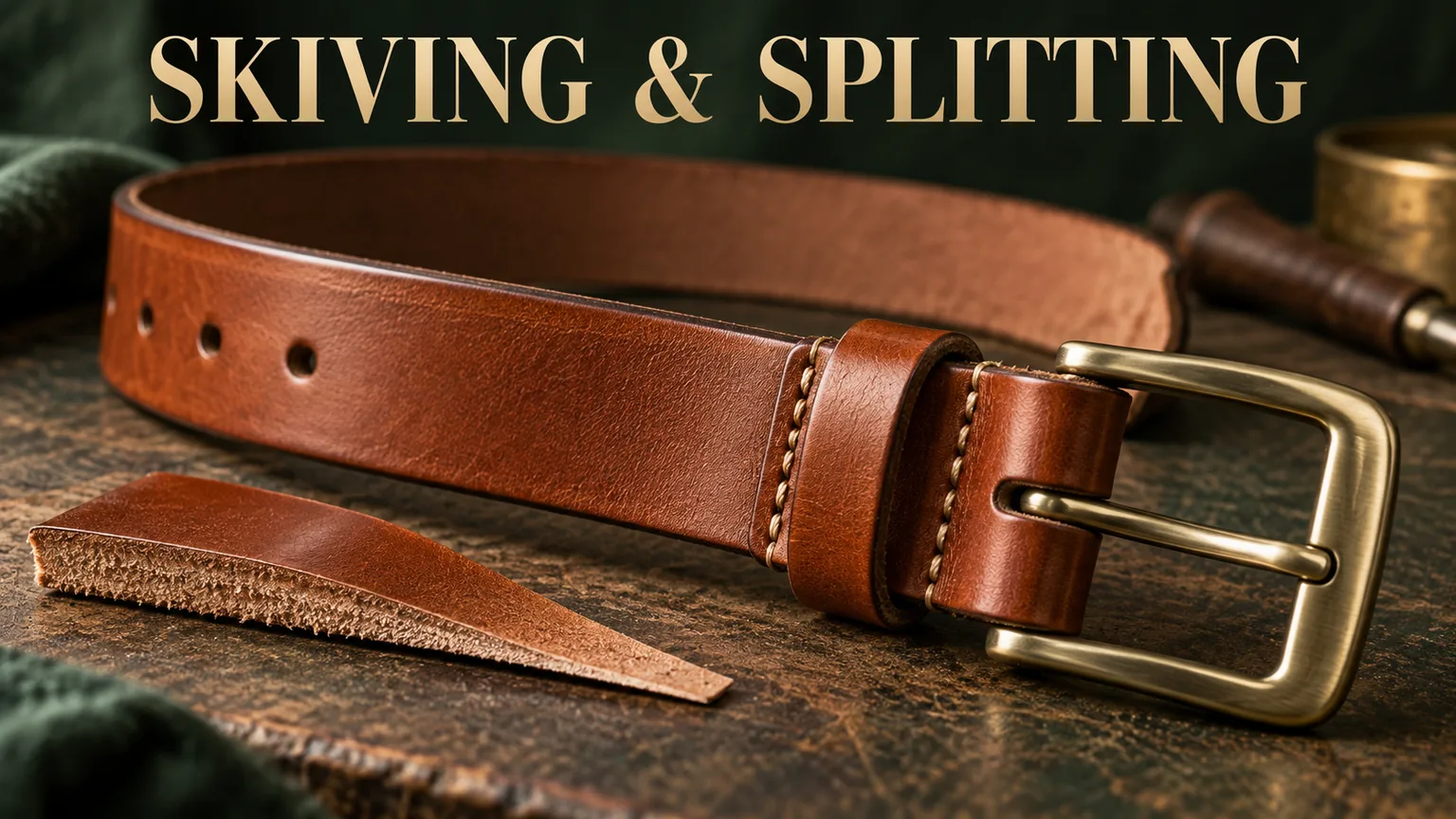
Learn when a belt needs full-body thickness control versus local skiving at a buckle fold or edge, and what to inspect on the assembled…
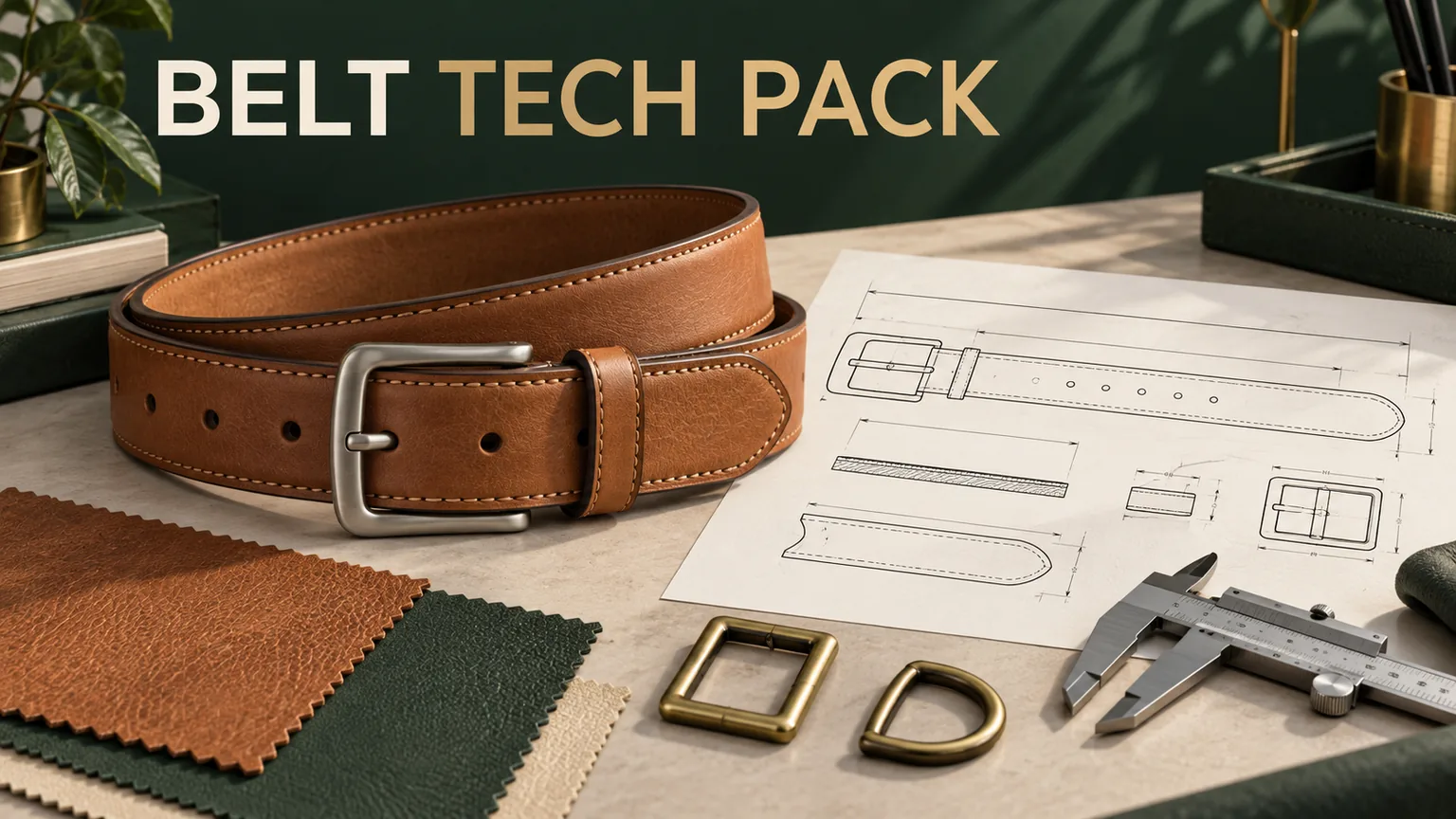
Build a belt tech pack that connects drawings, materials, hardware, measurements and sample approvals. Learn what to define now and what can stay open.
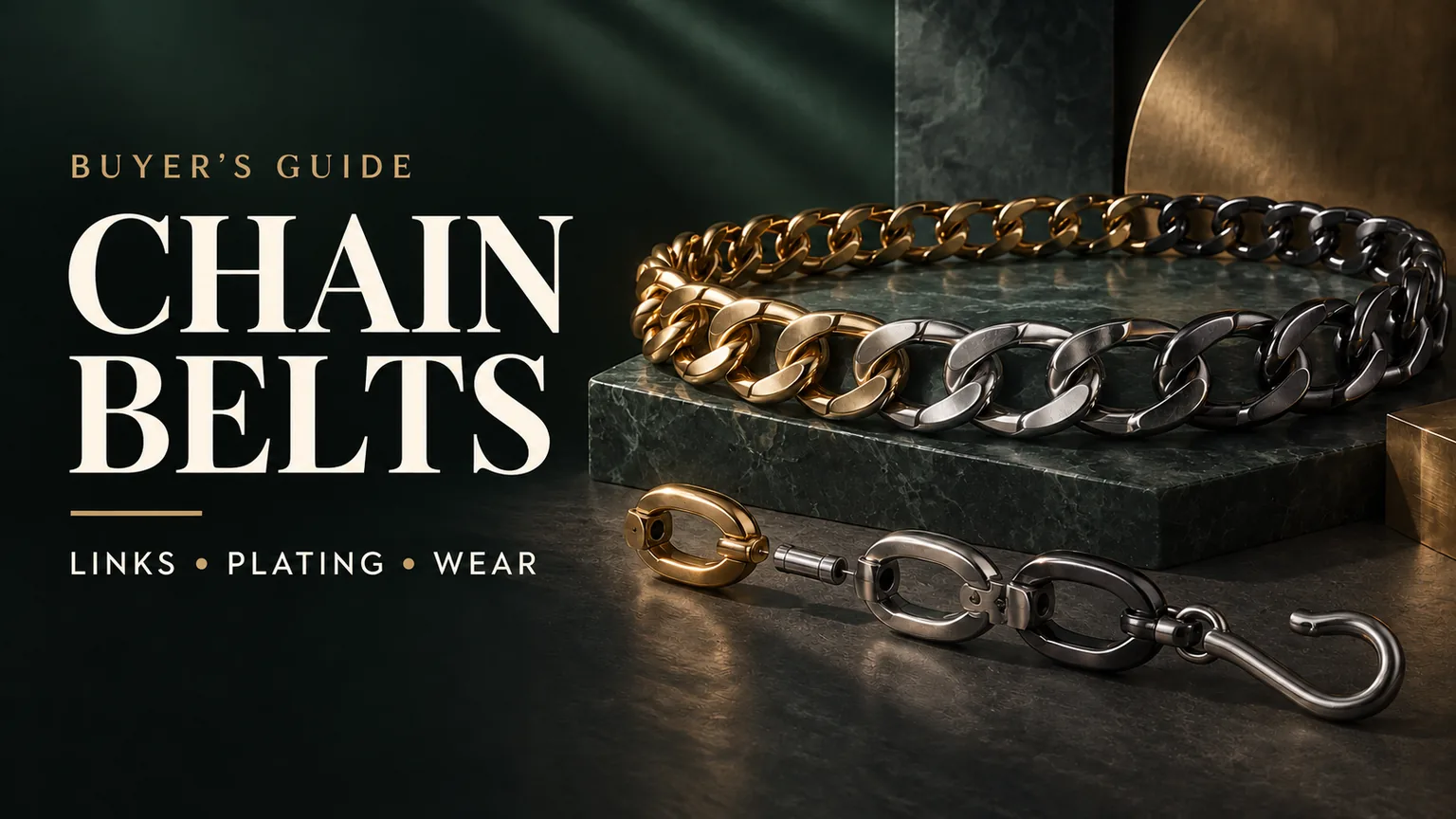
Chain belts for buyers, explained through link construction, coating decisions, fit, skin-contact evidence, sample approval and bulk inspection.

Quiet luxury belts translated into practical retailer decisions on proportion, hardware, materials, range architecture and sample approval.
Send what you have. A useful first review connects your design intent, commercial plan and evidence requirements before pricing or timing is treated as final.