Choose a cold-crack test by identifying the material beneath the finish and the bend the belt must survive. For a surface coating on readily flexible leather, ask the lab about ISO 17233. For rubber- or plastics-coated fabric, ask about ISO 4675. Then decide whether the assembled belt also needs a check at the buckle fold, keeper or painted edge. A material report and an assembled sample answer different purchasing questions.
Which part of a winter belt order is at risk?
A belt might travel in a cold truck, sit flat in an unheated stockroom, then be unrolled for display indoors. Another might be fastened and released outside every day. In the first case the buyer needs to know what happens when the packed product is opened, including whether staff allow it to warm first. In the second case the surface moves while cold, often around the same working hole. A specification that gives only the destination city leaves the most important part of the request unresolved.
Draw the bend on a photograph of the intended style. Mark the surface that stretches on the outside of the curve and the layer that compresses on the inside. A long sweep over the hip distributes movement over a substantial length. A short return around a narrow buckle bar concentrates it. The same coated strip can therefore give a different appearance at two locations on one belt. A cold surface that accommodates less movement may open along the tighter bend first. The location is a clue to investigate; it does not identify a defective formulation on its own.
Ask when the bend is actually made. A factory might form the buckle return during assembly at room temperature and secure it in place. The buyer may be more concerned about a fresh bend in the free end as it passes through a keeper outdoors. For a replaceable buckle, opening and re-forming the return could also be a relevant event. Write down which movement the user or warehouse operator makes. A severe fold invented for convenience can reject a useful product while leaving the customer’s actual problem unexamined.

Match the method to the substrate and the decision
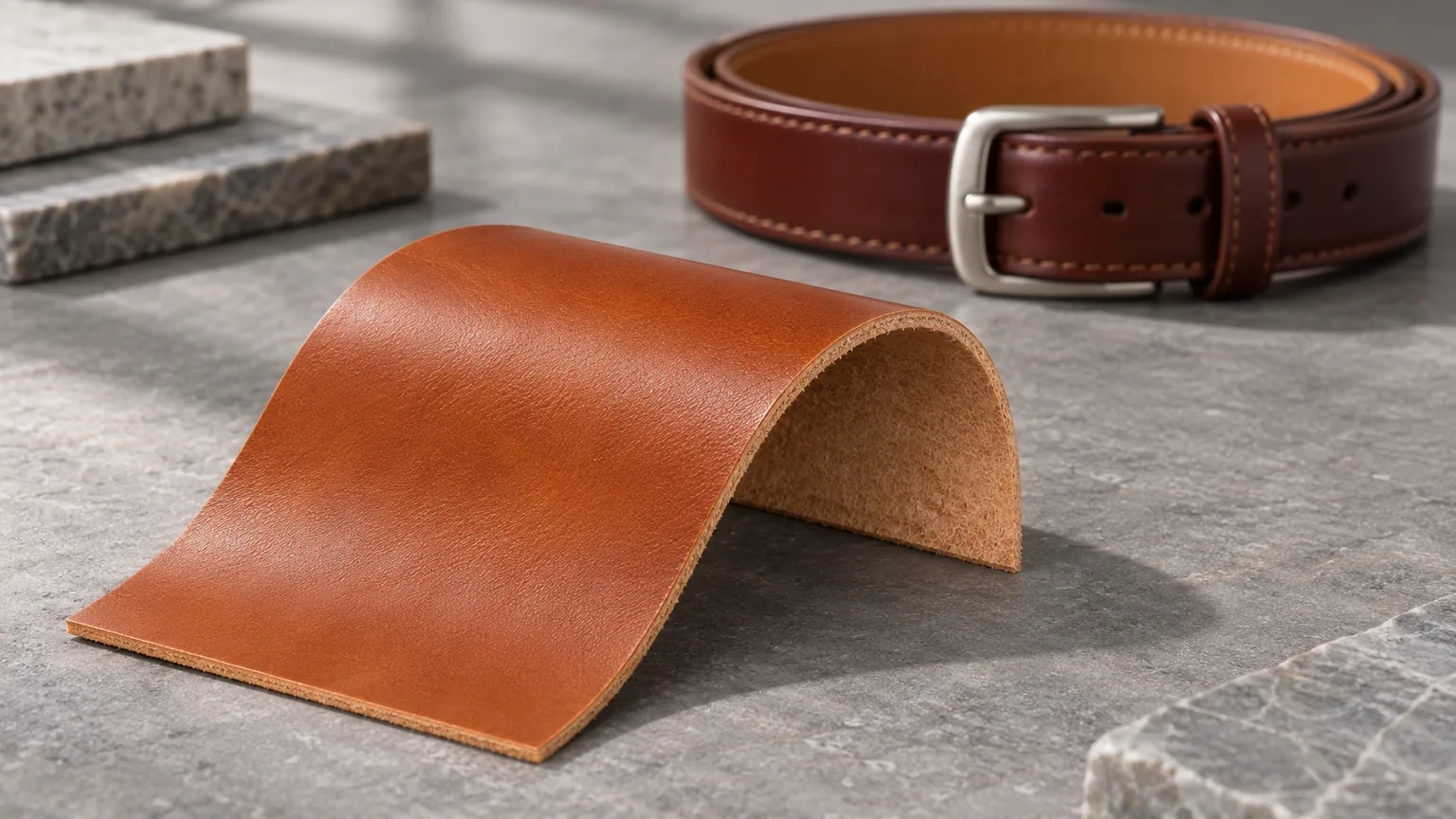
“PU belt” can leave a laboratory guessing. A supplier might mean leather carrying a polyurethane finish or a textile with a plastics coating. A finished strap can also combine a coated face, a reinforcement, adhesive and a separate lining. Request a construction description from the material supplier and a cross-section or offcut from the factory. Identify whether the proposed submission is the face stock before lamination, a composite strip or a finished retail belt.
ISO 17233:2017 addresses the temperature at which a surface coating on leather cracks. Its stated scope is coated leathers that can be readily flexed. An uncoated hide, an isolated edge paint film, and a heavily reinforced finished strap each raise a different question about applicability. Give the lab the material description and thickness before ordering the service. If only the face leather is suitable for the method, have the report say exactly that.
ISO 4675:2017 evaluates rubber- or plastics-coated fabrics bent at a specified temperature following an exposure period. Its ordinary thickness range is 0.1 to 2.2 mm; the standard provides for an equipment modification for thicker material. Supply the coated fabric thickness and discuss applicability with the lab. The whole belt’s caliper measurement may include a liner and filler absent from the submitted fabric. ISO also cautions against translating this test into a general prediction of performance in service.
What to submit for each buying decision
On a small screen, swipe across the table to read the release decision.
| Question | Specimen and route | What the buyer can decide |
|---|---|---|
| Does the leather finish crack under the agreed cold test? | Identified coated leather for a lab review of ISO 17233 | Whether that finish and material meet the written requirement |
| Does a coated textile tolerate the specified cold bend? | Identified coated fabric for a lab review of ISO 4675 | Whether that construction meets the chosen bend condition |
| What happens when the actual strap is operated? | Assembled belt and a separate, defined use simulation | Whether the specific fold, keeper or finished edge needs redesign |
Build a sample set you can trace back to the order
Start with the material code, supplier, color, finish revision and production lot. If the brand selects a finish on a showroom swatch, record which production material is meant to reproduce it. The name “black grain” tells the lab very little about the coating system. A reorder can have the same commercial name and a revised surface treatment. Ask the supplier to identify any such change before using an earlier report for the new purchase order.
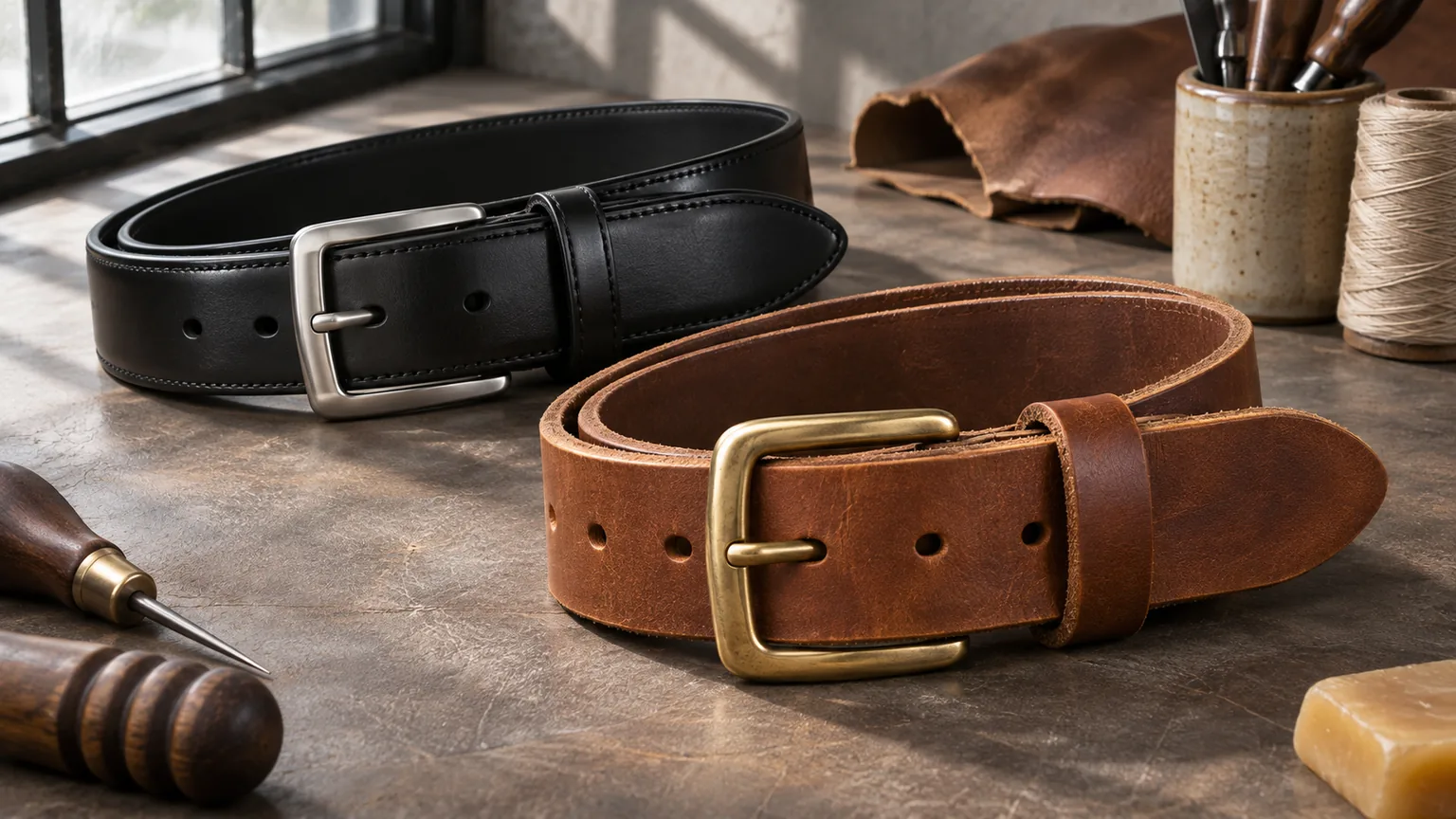
Agree with the laboratory on specimen dimensions, quantities, sampling positions and conditioning for the applicable method. Have the factory reserve matching untested material from the same lot and mark its orientation. If several colors use distinct finishes, ask what evidence supports grouping them. A pale and a dark version may share a base but differ in their surface layers. When the grouping rationale is unclear, choose specimens that represent the actual decisions still open. A decorative color ring helps identify candidates; it cannot establish their cold performance.

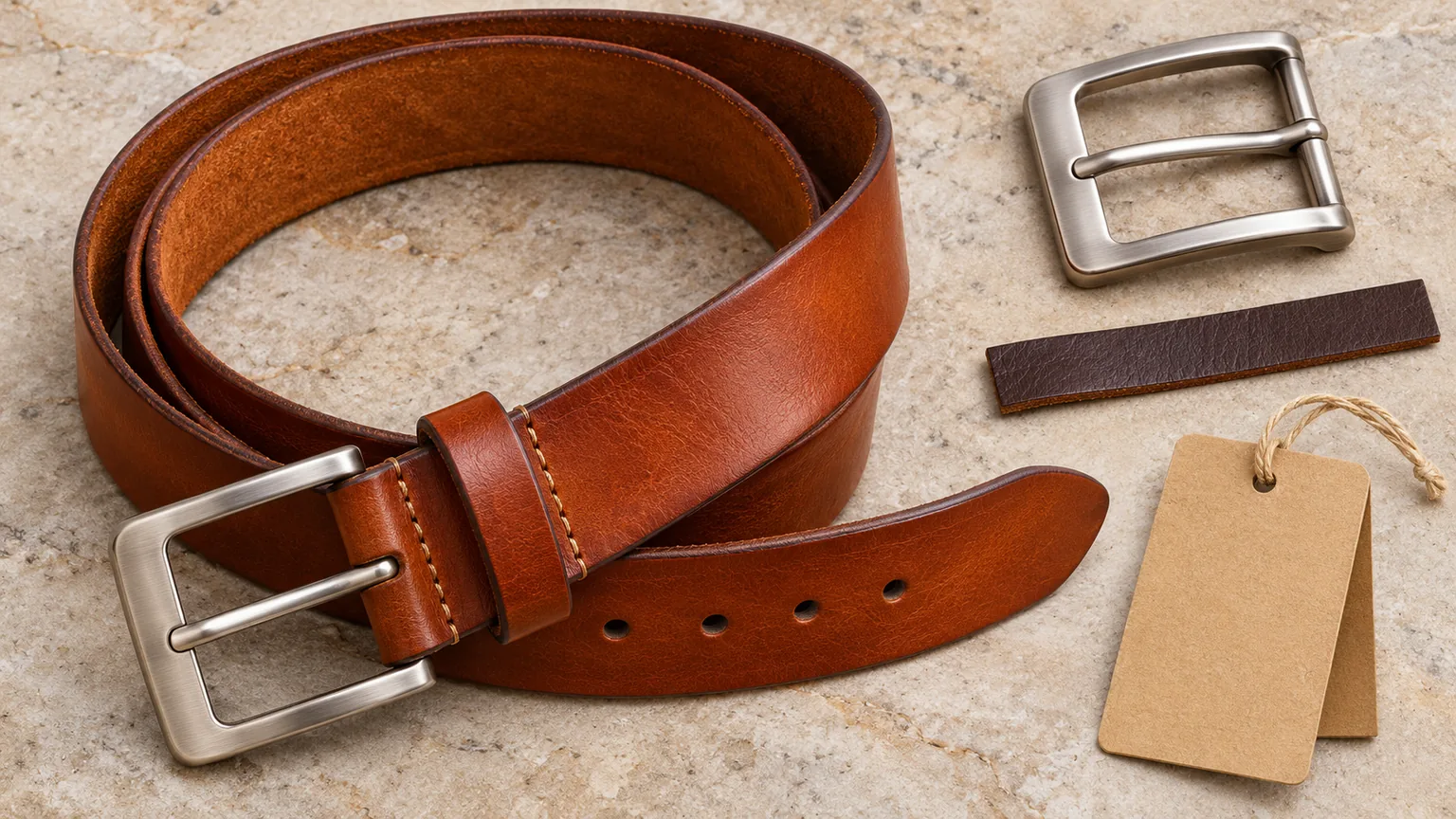
For a construction review, retain a representative completed sample with its production-intent buckle, lining, keeper, edge finish and stitching. A thinner prototype can turn around a buckle bar with much less resistance. A larger prototype keeper can also hide a fit problem once the final strap is lined and stitched. If one of these parts is temporary, identify it on the sample tag and limit the conclusions accordingly. The team can still learn from the sample while reserving the affected decision for the production-intent build.
Write the acceptance condition before comparing quotations
Two quotes for “cold crack testing” may cover different endpoints. One may determine a crack temperature for a finish. The other may give observations after bending at one agreed temperature. Ask the lab to put the exact method, edition, submitted material, reported endpoint and any deviations into its quotation. Ask the buying team who owns the temperature requirement and which use scenario it represents. A cabinet’s minimum operating temperature describes equipment capacity and gives no basis by itself for selecting a product requirement.
For a separate assembled-belt check, agree on initial condition, exposure, how and when the belt will move, which face goes outward and where the team will look for damage. Include the time of inspection relative to bending and warming. A technician should be able to tell whether the request calls for opening the shipped coil once or repeatedly fastening the working hole. If repeated use matters, establish a repeat procedure separately. A single bend cannot establish how many times a person can wear the belt.
Specify the appearance decision with an example the supplier can recognize. A fine pale mark that disappears when the belt is relaxed, an open fissure that reveals the layer underneath, and a lifted edge are different observations. Agree which observations require a hold, which can be referred to the brand for an appearance decision and whether the buyer accepts any change after recovery. Photograph the untreated reference under the same light. Side lighting helps reveal an opening; diffuse light can help the team compare color. Changing the setup between samples can make a shallow grain ridge look like a new defect.
Read the damage before changing the finish
Locate the first visible change and trace where it stops. A line that crosses the face on several coupons provides a reason to review the surface system with the material supplier. A line confined to the painted edge at the buckle return calls for a close look at the assembled cross-section. Inspect whether the edge finish itself opened, the face and lining separated, or the base material tore near a stitch. These routes can look similar in a photograph taken from above. Ask for an image of the edge, a relaxed view and the matching untested piece before agreeing to remake an entire color.
Use comparisons that change one important feature at a time. If the hypothesis is that the return is too tight, make a comparison sample with more room at the turn while holding the face lot, lining and finish constant. If the hypothesis is that the finish changed, compare the approved and proposed finish on the same construction. Changing the finish, reinforcement and buckle together might yield a good belt but would leave the cause unresolved. The team would struggle to decide which features must stay fixed for the next order.
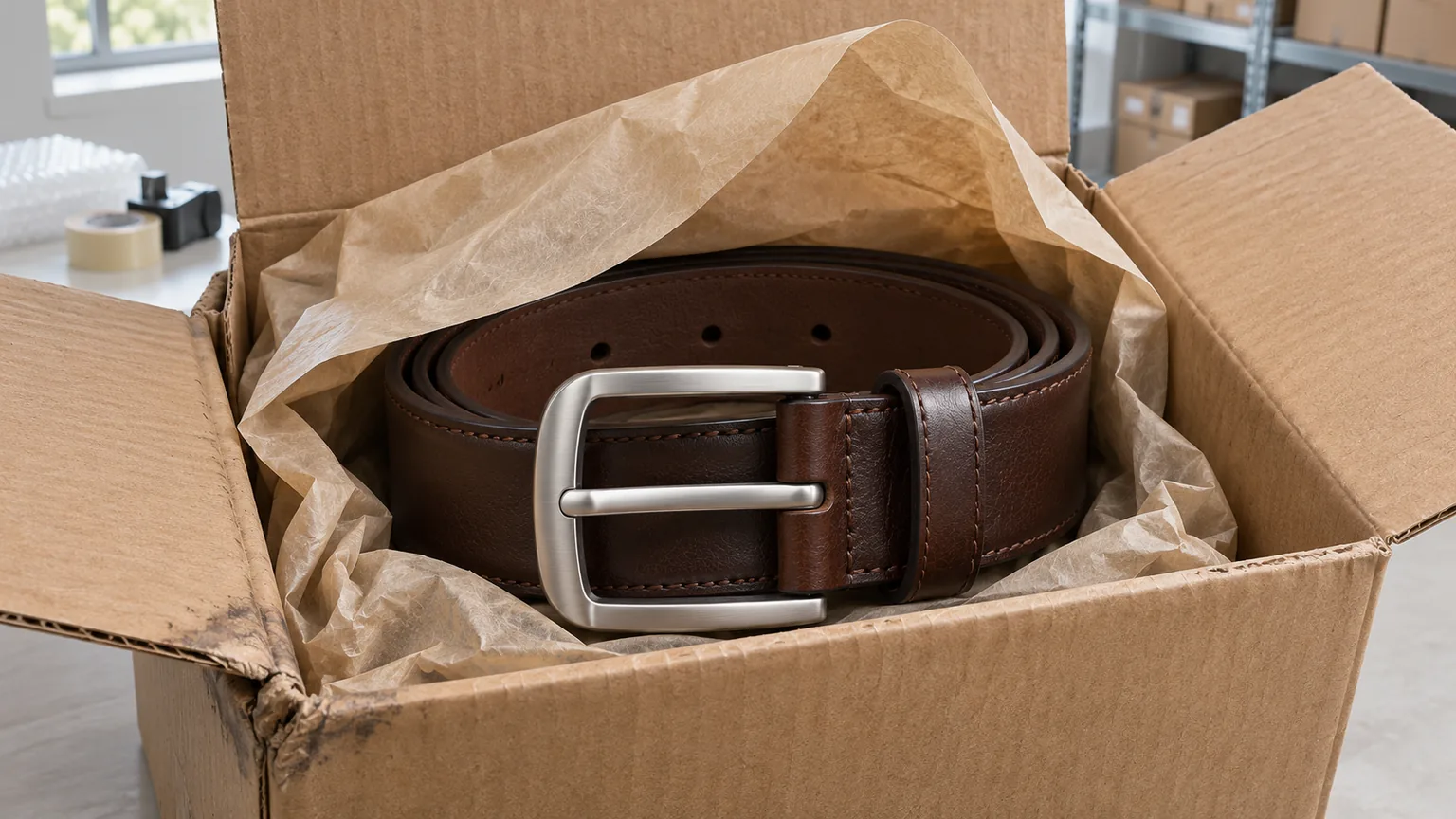
A sharp crease on a rolled sample deserves its own investigation. Look at the packing sequence and whether the buckle pressed into the face while the product was stored. An impression present before the cold bend is part of the starting condition. Record it separately, then compare normal packing with the proposed revised packing on matched samples. A packaging improvement may address the handling incident without changing the leather purchase specification. The bend report remains relevant to the material question it originally answered.
A winter capsule with a split result
Consider a hypothetical brand ordering a coated leather belt in two colors. The laboratory reports that the submitted face leather satisfies the brand’s written criterion. In a separately agreed handling check, one finished sample opens along the edge when the strap is drawn through a close-fitting keeper. The first action is to identify the color, material lot and construction of that sample and hold the affected configuration for review. Keep the lab report with the file. It provides a useful starting point for explaining why the observation is concentrated at one part of the belt.
Compare the affected area with a straight length from the same strap. Check the clearance between keeper and strap, the thickness where the liner starts, and the edge build at that point. Ask the factory for an otherwise matching sample with the proposed clearance change. If the change resolves the observation under the same handling check, inspect how the new keeper holds the belt tail during normal wear. More clearance can reduce rubbing but also leave a thin strap loose. The buyer needs both observations before approving the revision.
If the second color still shows a face fissure away from the keeper, compare its finish and lot separately with the laboratory specimen. Keep each color’s decision explicit. A supplier receiving a single instruction to “improve winter resistance” cannot tell whether to revise the keeper pattern, reformulate a coating or replace a particular lot. A report linked to marked samples lets purchasing reserve the unaffected material and gives development a focused question for the next trial.
What should the approved file say?
Record the material and construction revisions, which specimens were examined, the condition under which the observation was made and who accepted it. State whether approval covers a material purchase, a sample construction or a named production lot. Use the actual report wording when describing tested performance. A result on a named face material under a specified method supports a narrow technical statement. A broad minimum outdoor wearing temperature would require evidence about the complete product in its intended use.
At reorder, compare the supplier material code, finish, lining, edge build and hardware with the signed sample. A new buckle bar can change the bend even when the leather is identical. A new finish can change the material decision even when the pattern stays the same. Reopen the question touched by the change and keep the unaffected records attached. For a first belt sample with HongDing, a product reference, a description of the cold handling event and the part of the belt that worries the team are enough to start that discussion.