
EN
Neutral B2B Material Decision Guide
Leather Belt Materials: A Buyer's Guide to Selection and Sourcing
Choose leather belt materials by the intended use, appearance, feel, construction, care and market wording. This guide compares leather, split, bonded, suede, coated synthetic, textile and plant-fiber options in clear buying terms.
- Material identity before marketing name
- Complete belt construction before performance claims
- A specialist page for each material family
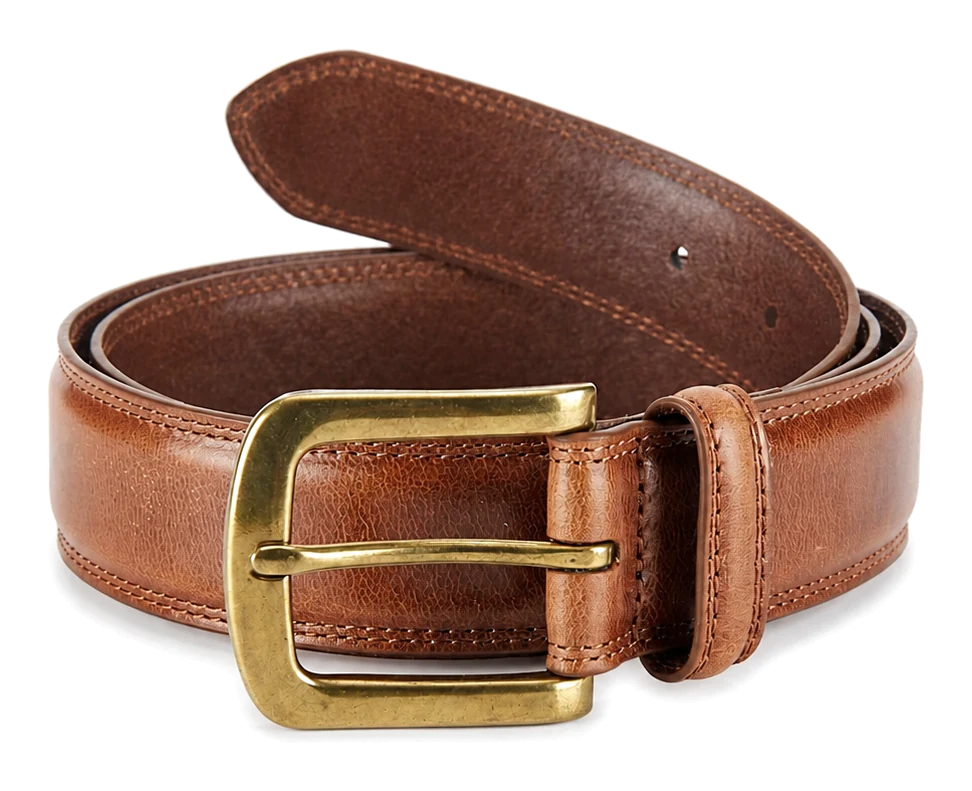
Map the Main Belt Material Routes
The visible surface is not always the complete belt. Start with the material identity, then define the core, lining, reinforcement, edge, attachments and finish.
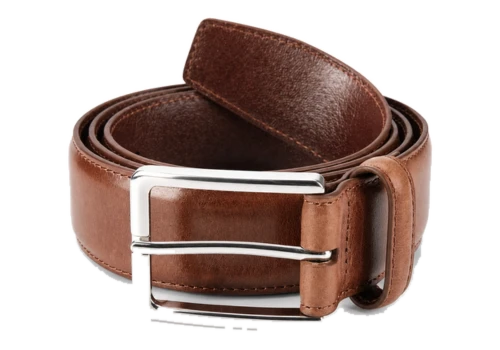
Material route 01
Full-Grain and Top-Grain
Upper-hide routes distinguished by retained or buyer-permitted grain-surface treatment, then defined by article and finish.
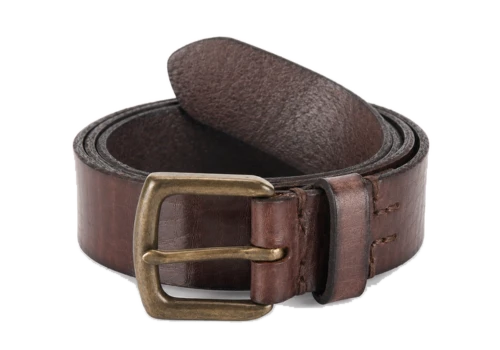
Material route 02
Split and Bonded
Different hide-layer and composite options that need a clear face, backing, layer structure and product description.
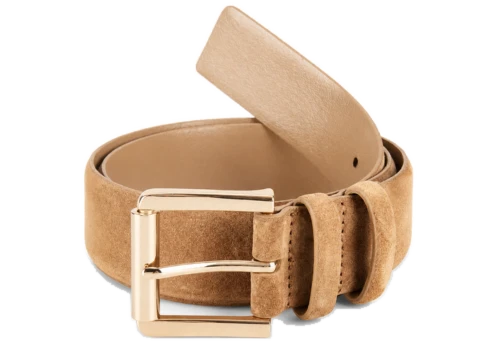
Material route 03
Suede and Nubuck
Napped surfaces that must state the actual layer or grain-side treatment, nap direction, color and transfer boundary.
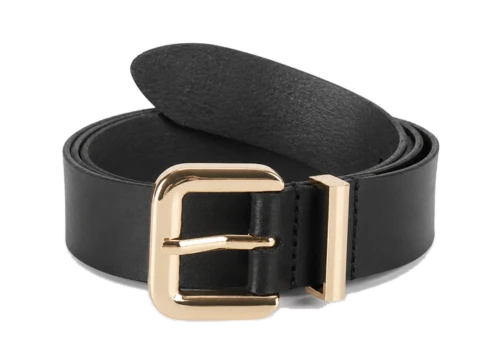
Material route 04
PU and Vegan-Positioned
Synthetic or composite constructions specified by coating, carrier, backing and the complete belt stack.
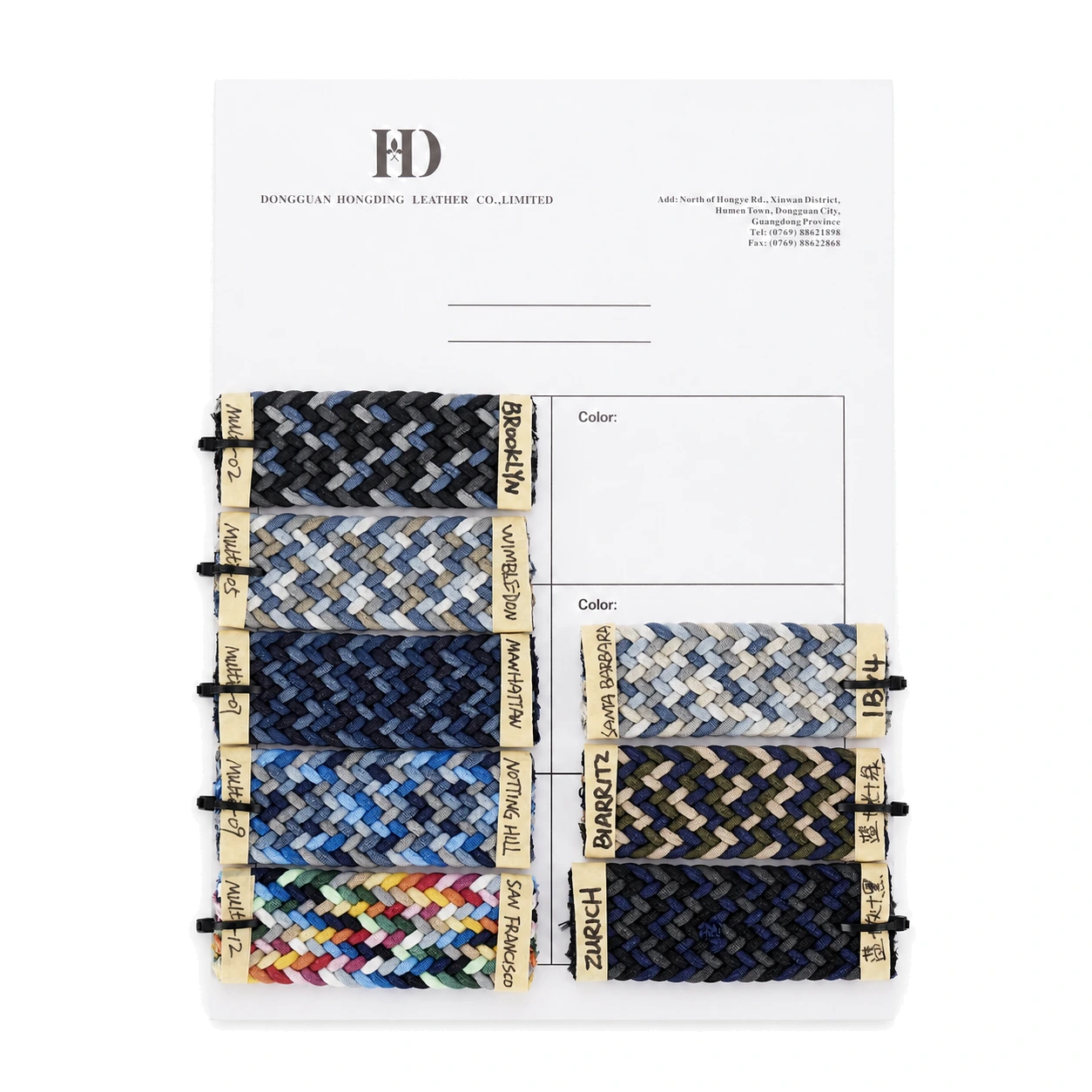
Material route 05
Woven, Braided and Webbing
Yarn, tape, braid, weave, elastic and trim systems controlled through composition, structure, stretch, recovery and hardware interfaces.
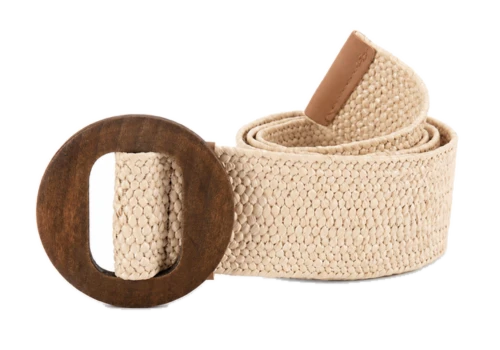
Material route 06
Straw, Raffia and Recycled
Plant-fiber and recycled-content options that need a named input, defined construction, acceptable variation and practical care instructions.
Use Pro Pelli for Leather Color and Surface Development
Pro Pelli can develop color, feel, texture and surface finish on a defined incoming leather article. The selected article and its upstream information remain separate from the finishing work.
01Finishing InputOpen the decision detail
Named incoming leather article, available source information, thickness, temper and initial surface condition.
02Finishing OutputOpen the decision detail
Project-defined color, texture, hand, gloss and surface master linked to a process or article reference.
03Before FinishingOpen the decision detail
Confirm the incoming article, available tannage information and any material wording that must remain unchanged.
04Other MaterialsOpen the decision detail
Keep synthetic, textile and plant-fiber products with the supplier and process information for those actual materials.
Compare Material Routes without a Good-Better-Best Ladder
No material is best for every belt. Compare the article, construction, appearance, use, care and purchasing requirements for the finished product.
Input 01
Identity before Ranking
Name the layer, substrate, fiber, coating, composite or attributed content before comparing performance or price.
Input 02
Article before Family
Compare supplier or project articles with physical swatches and current specifications, not only category names.
Input 03
Finished Belt before Marketing Copy
Connect the face, layers, edge, hardware, workmanship, test and product description to the actual SKU.
Choose Materials in Six Practical Steps
Choose the material in a practical sequence so fit, construction, surface, edge, hardware and required product documents are considered before the first sample.
Step 1: Define the Product Job
State wearer, garment, use, style, width, fit, channel, price position, expected care and target markets.
Step 2: Name Required Materials
List required and prohibited layers, fibers, coatings and animal or non-animal components.
Step 3: Build the Complete Stack
Define face, core, reinforcement, lining, adhesive, edge, thread, buckle and local attachment zones.
Step 4: Compare Article Behavior
Review thickness, temper, stretch, recovery, nap, variation, finish, edge and component compatibility.
Step 5: Check Product Wording and Files
Match each material statement to the current supplier article, bill of materials, sample and supporting document.
Step 6: Approve and Continue
Freeze physical masters and send the program to the specialist material or product page for detailed development.
Check Material Wording against the Current Product Files
Check the intended material wording before sampling. A good-looking sample can still use the wrong article or a product description that the current files do not support.
Record 01Factory or Facility File
Shows the named holder, site and reviewed activities. It does not automatically cover every material or product.
Record 02Material Article File
Connects a supplier or project article to its layer, composition, finish and applicable lot or transaction.
Record 03Recycled or Attributed Content
Defines the named component, percentage basis and applicable chain or transaction document.
Record 04Chemical or Physical Report
States sample, components, method, conditions, limit, result, date and covered market or buyer requirement.
Record 05Finished-Product Wording
Checks the current BOM, material description, care and percentage wording for the actual market and retailer.
Record 06Recheck after a Change
Returns a new supplier, article, finish, color, backing, hardware or market to product-file review.
Explore Each Material on Its Specialist Page
Use this guide to narrow the material choice, then open the specialist page for product-specific construction, surface, care, risks and RFQ inputs.
Input 01
Full-Grain and Top-Grain
Define retained or permitted grain treatment, named article, tannage, finish, thickness, temper and natural range.
Input 02
Vegetable-Tanned Leather
Review actual article, tannage evidence, hand, edge, finish, care and aging-language boundaries.
Input 03
Embossed Leather
Separate real base from visual motif and control plate, repeat, depth, color, edge and labeling.
Input 04
Bonded and Split Leather
Distinguish hide layer from composite material, then define the face, backing, reinforcement and market wording.
Input 05
PU and Vegan-Positioned Materials
Define the coating, carrier, backing and construction, then confirm what evidence supports any non-animal or environmental wording.
Input 06
Suede and Nubuck
Clarify layer, grain-side treatment, nap, color, transfer, edge and care decisions.
Hand off the Selected Leather Article for Surface Development
Once the incoming leather article is named, the finishing handoff can focus on color, feel, texture and the physical surface target for the belt program.
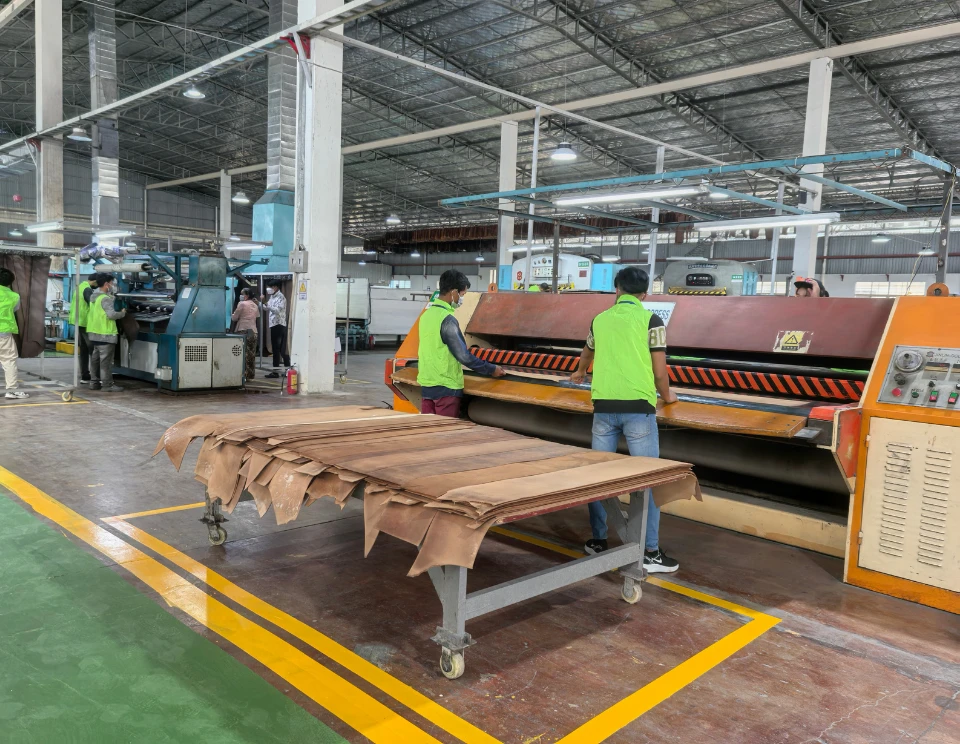
Before Finishing
Identify the incoming article, allowed surface treatment, available tannage information, thickness and temper.
During Development
Control buyer reference, color, hand, texture, embossing and protective surface direction with physical submissions.
At Material Release
Retain the article or process code, physical master, acceptable range, lot link and open belt checks.
At Belt Release
Verify the complete BOM, hardware, edge, stitch, size, branding, tests, labels and packed SKU.
Resolve Belt Material Identity and Evidence Questions before Sampling
These answers help buyers move from a category name to a defined article, complete belt construction, clear product wording and the right specialist page.
Start with a Defined Material Decision
Send the product use, target look, price position and material options you are considering. Our first review will identify the best next step and any missing product information.