
EN
Ordinary Work Belt and Suspender Programs
Work Belt Programs for Workwear and Industrial Brands
Work belt programs should be reviewed as complete wearable products, including the strap, stress points, buckle, garment, accessory interfaces and fit. HongDing develops ordinary work belts and suspenders for buyer-approved uses, not fall-protection or certified PPE applications.
- Load paths are specified at joints and interfaces
- Accessory fit is checked on complete assemblies
- No PPE or fall-protection implication
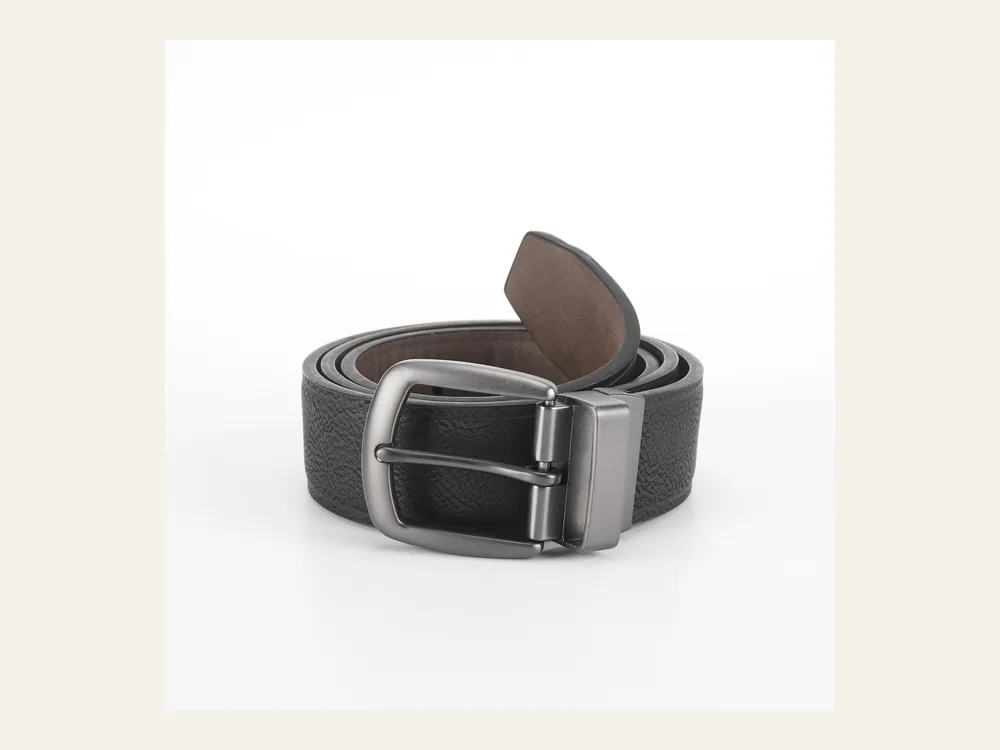
Define the Workwear Route by Use, Garment and Carried Items
Define the product around the actual job, garment and carried items instead of relying on broad heavy-duty or industrial wording.
Garment-Support Belt
Control finished size, stiffness, buckle, loop interface and comfort for holding work trousers or uniforms.
Boundary: apparel accessory onlyTool-Pouch Support Belt
Map pouch slots, keeper positions, ordinary carried-item layout, anti-rotation needs and garment contact.
Boundary: not a fall-arrest anchorWork Suspenders
Define attachment to the belt or garment, strap adjustment, junctions and movement with the intended load distribution.
Boundary: not a safety harnessReinforced Utility Belt
Specify face, core, backing, edge, stress-zone reinforcement, holes and hardware for the approved ordinary use.
Boundary: no universal load ratingUniform Issue Program
Connect wearer sizing, garment interface, branding, labels, issue pack and replacement records to controlled SKUs.
Boundary: employer defines workplace suitabilityAccessory-System Development
Review the complete belt, pouch, suspender, keeper or clip interface supplied or dimensioned by the buyer.
Boundary: only tested configurations applyReview Work Belt Requirements at Their Real Failure Points
Check the material, layer construction, stress points, hardware, fit and accessory interfaces where the intended use could create a problem.
Layer Discontinuity
Reinforcement stops before a fold, hole or slot and leaves the highest-stress transition unsupported. Control: cut-part and in-process section check
Fastener Damage
Rivets, screws or settings cut, crush, loosen or create hard edges in the complete assembly. Control: setting and finished-zone review
Buckle Slip or Misalignment
The strap, bar, prong, holes or reversible mechanism do not hold the approved position under the named condition. Control: finished function test
Accessory Rotation
Pouch or keeper migrates, tips or crowds the buckle because slot and strap geometry were not assessed together. Control: loaded interface setup
Garment Abrasion
Edges, fastener backs, buckle corners or moving accessories rub loops, waistband or wearer-contact zones. Control: representative wear and contact review
Overstated Claim
Heavy-duty, safety, rated or protective language is used without a defined configuration, method, acceptance rule and claim owner. Control: evidence-to-claim register
Specify Construction at Every Work Belt Stress Point
Mark how forces pass through the finished belt, then specify the construction and inspection required at every transition.
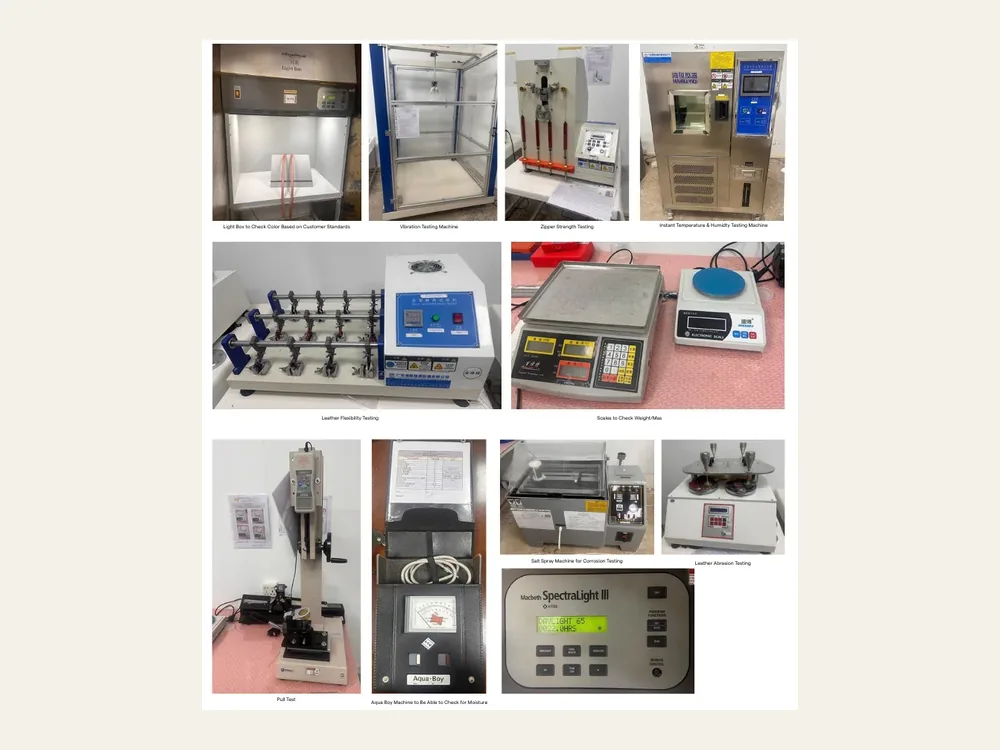
Strap Cross-Section
Name face, core, reinforcement, backing, lining, edge and their extents along the belt.
Incomplete: thick leather beltBuckle Fold
Define skive or layer transition, fold length, bar clearance, stitch or fastener positions and edge treatment.
Incomplete: strong buckle endHole and Slot Zones
Control geometry, pitch, edge distance, reinforcement, cut quality and relation to pouch or suspender interfaces.
Incomplete: standard holesStitch Lines
Specify thread article, gauge, stitch density, seam position, starts, ends and repair or defect rules.
Incomplete: reinforced stitchingValidate Pouch, Suspender and Garment Interfaces Physically
Use physical fitting checks to find rotation, slip, crowding, abrasion and access issues that drawings and isolated components can miss.
01Pouch Slot and StrapOpen the decision detail
Check slot width and thickness allowance, installation path, rotation, migration and removal without uncontrolled forcing.
02Buckle and Front AccessoriesOpen the decision detail
Confirm clearances among buckle, keepers, pouch edges, garment closure and the wearer's movement zone.
03Suspender AttachmentOpen the decision detail
Review clip, loop or connector geometry, position, movement, local reinforcement and release on the actual belt system.
04Garment Loops and WaistbandOpen the decision detail
Assess belt width and thickness, loop clearance, abrasion, bunching and whether the garment holds the intended position.
05Size ExtremesOpen the decision detail
Repeat key interface checks at the smallest and largest approved configurations because overlap and component position change.
06Change ControlOpen the decision detail
Revalidate when strap thickness, buckle, holes, slots, pouch, connector, garment or carried-item layout changes materially.
Evaluate HongDing through Workwear-Specific Outputs
Evaluate HongDing through the product questions, prototype checks and records it can provide for the proposed ordinary work belt program.
Named ordinary function, wearer, garment, accessories, environment, duration, prohibited uses and claim owner.
Buyer value: prevents unsafe scope driftComplete strap layers, stress zones, joints, hardware, pouch, suspender and garment connection points.
Buyer value: directs specification and testsMaterial articles, dimensions, layer extents, stitch, fasteners, hardware, holes, slots, tolerances and revisions.
Buyer value: controls sample and bulkActual belt, size, garment, accessories, ordinary contents, positions, conditioning and method used in a review.
Buyer value: limits result interpretationApproved product and size extremes plus the visible, dimensional and functional attributes each controls.
Buyer value: sample-to-bulk continuityIncoming, process, final, deviation, packing and shipment evidence against the accepted product revision.
Buyer value: traceable release decisionMove from Workwear Brief to Bulk Production and Reorder
Move from brief to production through clear product and interface approvals, while keeping later changes and reorders traceable.
Define Use and Exclusions
Name ordinary function, garment, accessories, wearer range, environment, claims and prohibited safety uses.
Map System and Risks
Identify load path, stress transitions, abrasion zones, attachment interfaces and unresolved failure modes.
Resolve Articles and Construction
Specify every material layer, hardware, stitch, fastener, dimension, tolerance, pack and commercial assumption.
Approve Prototype Configuration
Review fit, garment and accessory interfaces, function, appearance and buyer-defined tests on named assemblies.
Control Bulk and Release
Apply incoming, process and finished-system checks plus SKU, label and packing reconciliation.
Review Reorder Changes
Confirm article and component availability, retained samples, approved deviations, claims and live production terms again.
Request Workwear Evidence before Bulk Approval
Before bulk approval, review the actual belt, material, joint, hardware and interface records without extending one component claim to the complete product.
Approved layers, articles, dimensions, stress-zone construction, hardware, interfaces, labels and revision.
Connects: authorized product baselineSupplier and article identity, incoming checks and any project-relevant composition, finish or chemical evidence.
Connects: selected inputs onlyNamed belt, size, garment, accessories, ordinary contents, conditioning, direction, method, result and acceptance.
Connects: defined configuration onlyPouch, suspender, buckle and garment compatibility observations for the approved products and size extremes.
Connects: supplied or controlled interfacesSample plan, dimensions, workmanship, function, components, SKU counts, labels, packing and deviations.
Connects: sampled bulk lotBuyer-approved ordinary-use wording, evidence scope and explicit non-PPE, non-fall-protection boundary.
Connects: defensible public languageQuestions Workwear and Industrial Buyers Ask
These answers cover ordinary work belt use, garment and accessory interfaces, product checks and the non-PPE boundary.
Start an Ordinary Work Belt Program
Send the intended ordinary use, garment, carried items, fit and interface requirements. HongDing can identify prototype checks and prepare a project-specific basis for quotation.