
EN
Multi-Role Uniform Accessory Programs
Uniform Belt Manufacturer for Corporate, Hospitality and School Programs
A uniform belt program must work for the actual staff or student group, garment, wearing conditions, size system, approved colors, branding and distribution plan. HongDing helps connect those decisions to product SKUs, branch or individual packs and repeat-order records.
- Appearance controlled across materials, sizes and locations
- Finished-size datum and allocation logic frozen before packing
- Reorders reviewed against component, artwork and pack revisions
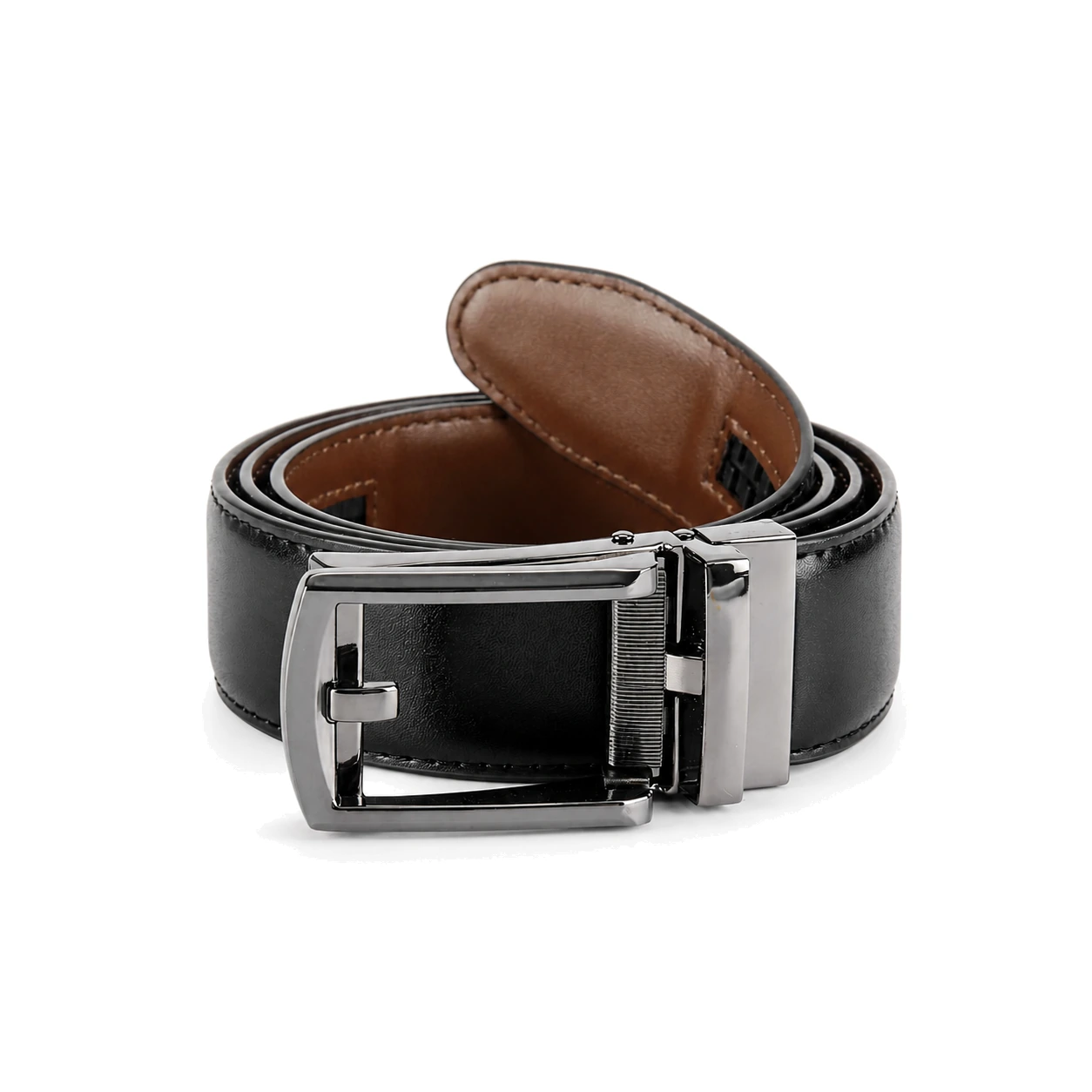
How Does HongDing Support Uniform and Corporate Belt Programs
Treat the belt as part of a larger uniform program that includes fit, identity, distribution and future replenishment.
01Staff and Garment BriefOpen the decision detail
Wearer or age group, role, garment, loops, wearing position and environment.
02Product ArchitectureOpen the decision detail
Strap, backing, edge, hardware, fasteners, label and pack articles.
03Fit ArchitectureOpen the decision detail
Measurement datum, effective range, size mix source and issue or exchange logic.
04Brand and Item DetailsOpen the decision detail
Physical colors, authorized artwork, hardware finish, item data and barcodes.
05Distribution SystemOpen the decision detail
Individual, role, department, branch, destination, carton and replenishment mapping.
06Shade DriftsAppearance risk
Strap, edge, thread or buckle finish no longer matches the approved substrate master.
Turn Uniform Requirements into Clear Product Decisions
Turn each uniform requirement into a clear product decision, approval reference and packing or reorder instruction.
Consistent Appearance
Physical masters for strap, edge, thread, keeper, buckle, logo, label and pack.
Role-Matched Product
Garment, environment, care, appearance, cost tier and evidence guide the route.
Usable Size System
Datum, range, tail, loops, label and size-mix source remain aligned.
Authorized Branding
Buyer rights, artwork revision, process, position and material interaction controlled.
Finished-Belt Evidence
Function, flex, rubbing, color, edge, dimension and market checks tied to the SKU.
Accurate Allocation
Product, size, role, branch, barcode, pack and carton identifiers reconciled.
Build a Uniform Belt Size Matrix from a Defined Belt Measurement
Build the size matrix from a defined finished-belt measurement so labels, issue lists, packs and reorders use the same datum.
Measurement Language
Body, garment, order and finished dimensions identified without interchange.
Prevents size-definition conflictFinished Datum
Buckle reference, intended hole or track, total length and tolerance dimensioned.
Controls productionEffective Range
Lower and upper fit, tail, keeper and loop relationship validated physically.
Controls wearer choiceMix Source
Buyer census, prior issue data or pilot-fit assumptions retained with revision date.
Controls quantity planningAllocation Translation
Approved size and color quantities mapped to role, location, pack and reserve stock.
Controls distributionStrap Master
Physical face, reverse, edge, thread and keeper color by approved article.
Department, Branch and Replenishment Control Is Part of the Product
Plan department, branch, wearer and replacement data before packing so the correct belt reaches the correct person or location.
Allocation Hierarchy
Program, SKU, size, color, role, department, branch, destination, pack and carton.
Identifier Stack
Item, barcode, size, color and pseudonymous allocation code matched at every pack level.
Quantity Reconciliation
Purchase order, production, allocation, pack, carton and packing-list totals compared.
Reserve Logic
Launch, fitting, exchange, replacement and replenishment quantities held separately.
Reorder Trigger
Demand signal, component status, mix revision and approval refresh defined before repeat release.
Privacy Boundary
The buyer controls personnel data, retention and lawful use beyond the minimum operational file.
From Uniform Brief to Bulk Distribution and Reorder
Move from brief to bulk only when the product, size, branding and allocation records agree.
Input 01
01 Program Brief
Define wearer or age group, role, garment, market, locations, claims, quantity and milestone.
Input 02
02 Product Route
Select strap, layers, edge, hardware, fasteners, label and pack articles.
Input 03
03 Size and Mix
Freeze datum, effective range, pilot or census source, SKU quantities and reserve logic.
Input 04
04 Identity Development
Approve physical colors, hardware finish, authorized artwork, copy, barcode and packs.
Input 05
05 Physical Sample
Build exact product and representative pack, then review function, fit and appearance.
Input 06
06 Approval Freeze
Sign component, size, color, artwork, label, pack and allocation revisions.
Evidence Uniform Buyers Can Request before Bulk Approval
Before production, review the physical product, size matrix, branding, allocation plan and external documents that apply to the current program.
Approved appearance, fit, edge, hardware, logo and pack targets plus relevant limits.
Datum, lengths, adjustment range, tail, garment loops, mix source, quantities and labels.
Physical masters, component revision, buyer authorization, process, position and pack copy.
Function, flex, rubbing, color, edge, joint, dimension and buyer-defined market checks.
Role or branch hierarchy, item, barcode, individual or set pack, cartons and reconciliation.
Facility, material and product documents separated by holder, site, SKU, market, date and purpose.
Define Every Wearer Control Every Pack Protect Every Reorder
These answers cover product, fit, branding, allocation and replenishment for uniform and corporate belt programs.
Start with the Size and Allocation System Your Team Will Use
Share the wearer groups, garments, material route, finished-size datum, SKU matrix, colors, artwork, labels, allocation plan and replenishment needs. HongDing can map the open decisions before sampling.