EN
Leather Belt Program Development
Leather Belt Manufacturer for Brand and Retail Programs
HongDing develops leather belts for brands, retailers and wholesale programs. We define the leather article, belt construction, finish, hardware, size range and branding before samples or bulk terms are confirmed.
- Leather article and complete-stack control
- Finishing scope separated from upstream tanning
- Project-specific approvals and commercial terms
Representative Leather Belt Products
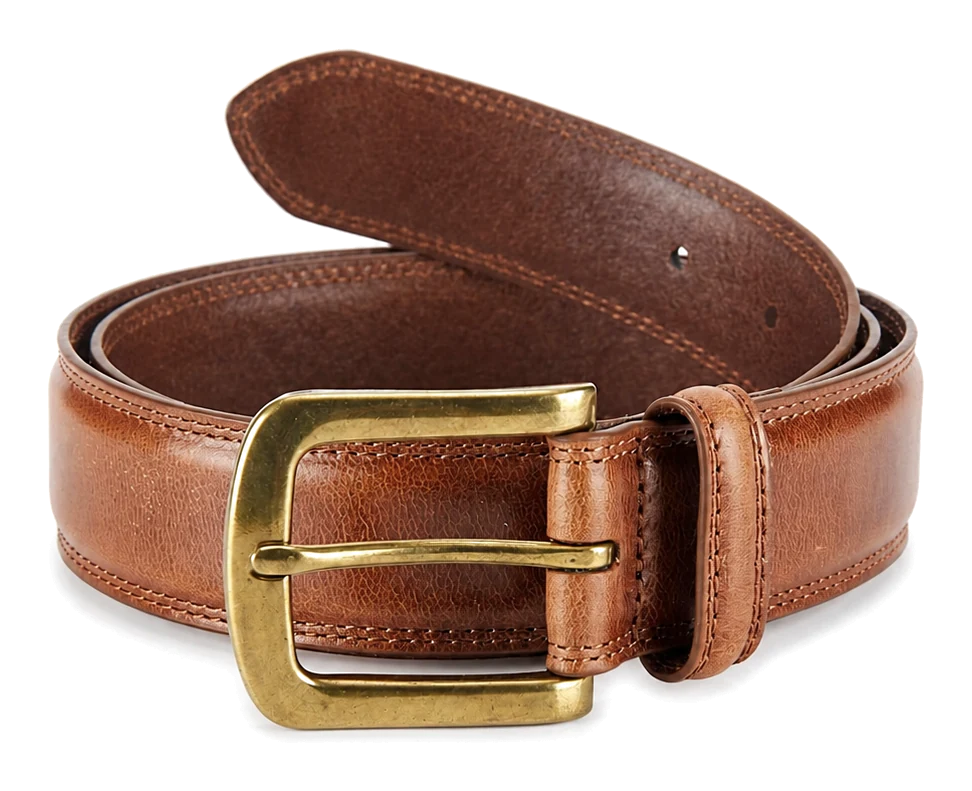
Compare eight leather belt directions for formal, casual and adjustable-fit programs. Materials, construction, hardware, dimensions and finish are confirmed for each project.
Choose Leather Belt Routes by Buyer and Channel
The right leather route depends on the sales channel, wearer, price position and intended use. These decisions set the acceptable natural variation, construction and approval standard.
Premium Dress and Business
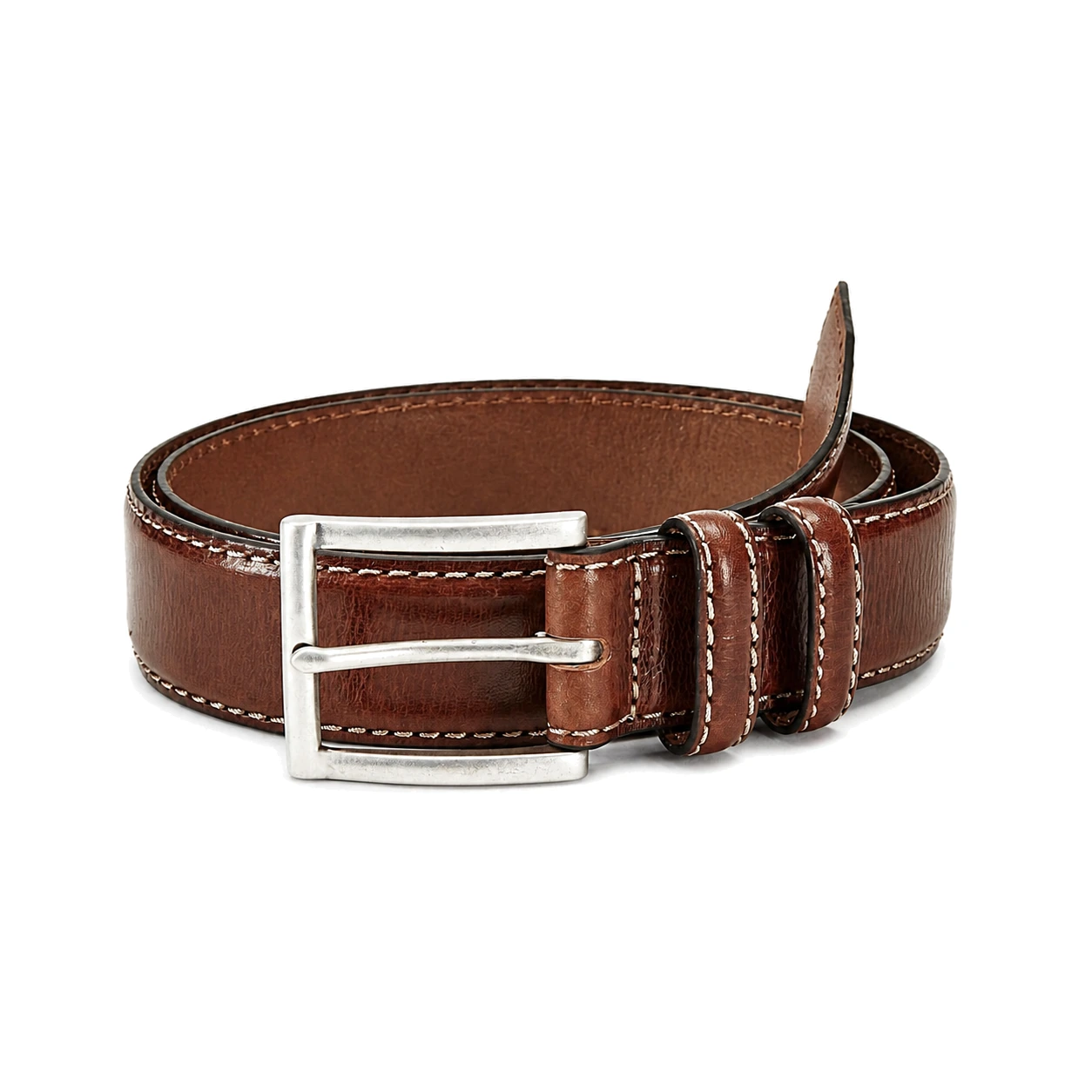
Controlled surface, profile, edge, stitch and hardware for menswear, tailoring, corporate or gift presentation.
Primary decision: refined consistencyCasual and Jeans
Grain, pull-up or distressed direction, visible stitch and buckle character coordinated with denim and casual footwear.
Primary decision: texture and wardrobe roleHeritage and Western
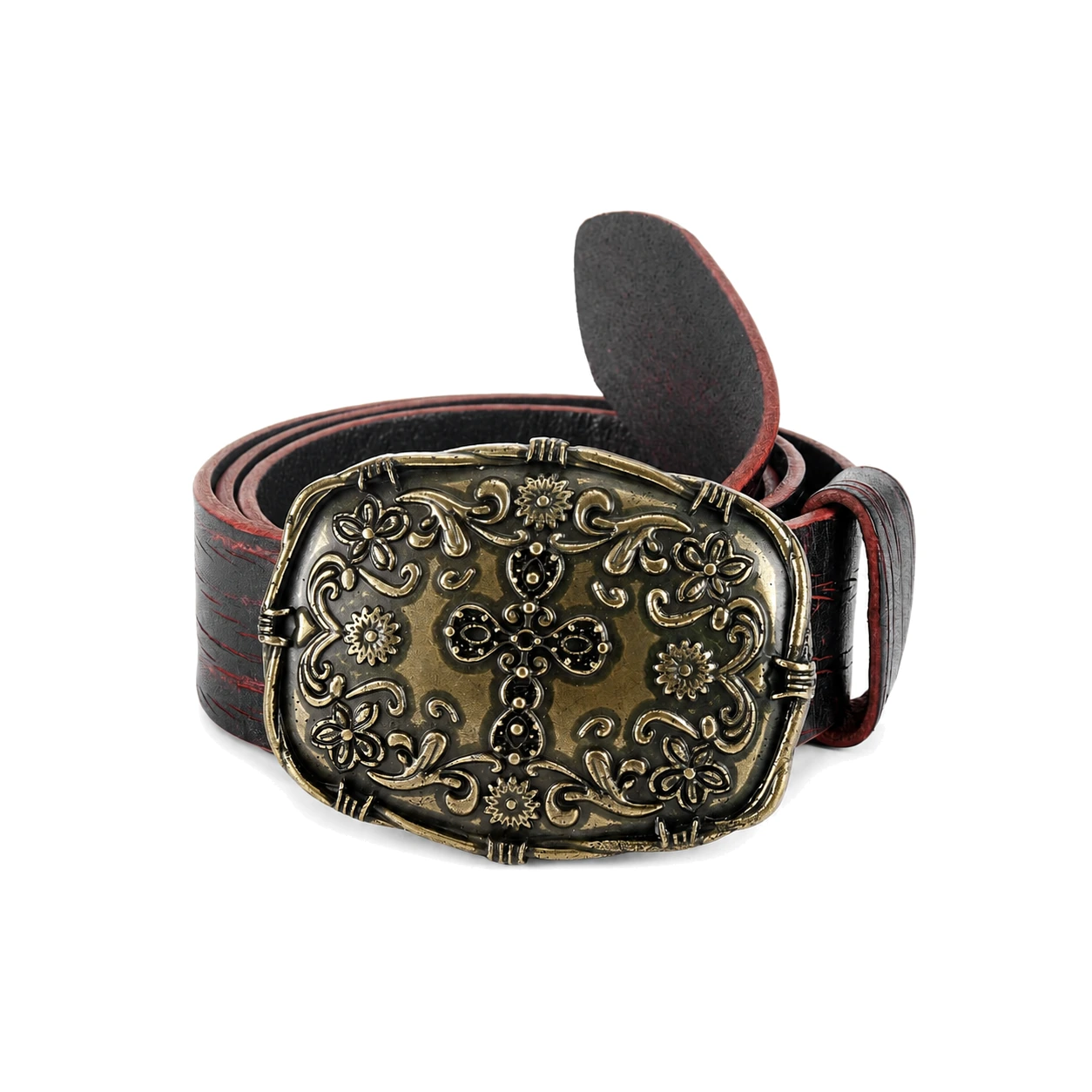
Tooling, embossing, conchos, heavier hardware or patina direction built on an article and temper compatible with the design.
Primary decision: surface craft and decorationWork-Style and Uniform
Complete construction and intended use defined before any durability, duty or protective claim is considered.
Primary decision: claim and stress boundarySpecify the Complete Leather Article and Belt Construction
A leather name alone is not enough. The specification should cover the face leather, core, reinforcement, lining, adhesive, edge and every local construction detail that affects the finished belt.
Face Article
Supplier or project code, material identity, grain treatment, tannage, finish, color, thickness and approved physical reference.
Controls the visible leather claimCore or Reinforcement
Material, position, dimensions, stiffness and local zones at holes, folds, snaps, clamps or decorations.
Controls structure and interfacesLining or Backing
Material identity, surface, color, thickness, bonding or stitch route and wearer-facing acceptance boundary.
Controls hand and back-side presentationEdge System
Raw, burnished, painted, folded or bound route plus preparation, color, layer visibility and repair criteria.
Controls visible layer transitionAlign Leather, Hardware, Edge and Stitch in One Matrix
Leather, hardware, edge and stitch should be approved together. One specification makes the main component and construction decisions visible before sampling.
Input 01
Leather-to-Buckle
Match inside width, pin or clamp geometry, fold, skive, thickness and permitted compression.
Input 02
Leather-to-Edge
Match surface finish and temper to raw, burnished, painted, folded or bound edge construction.
Input 03
Leather-to-Stitch
Match layer stack, thread, needle, stitch line, corner transition and edge distance.
Input 04
Leather-to-Logo
Match surface, coating, heat and pressure sensitivity to emboss, foil, print, engraving or hardware mark.
Input 05
Material Readiness
Existing approved article, new color or finish, nominated source, required evidence and available lot size.
Input 06
Hardware Readiness
Stock part, custom finish, buyer-nominated component, logo tooling, compatibility and replacement policy.
Approve Surface, Buckle, Logo and Packaging as One Private-Label System
Private-label quality depends on how the leather, buckle, logo, care information and packaging work together. Approve these customer-facing elements as one finished product.
Approved article and complete construction translated into market and retailer wording without overstating grade, origin or performance.
Physical color, grain, gloss, hand and acceptable variation linked to the article and finishing record.
Part code, base material, finish, dimensions, logo, attachment and project-specific function evidence.
Authorized logo files, revision, size, process, location, color and approver for every product and pack application.
Buyer-approved material, variation, care and claim language tied to the selected leather, not a generic premium narrative.
Complete product, labels, barcode, protection and presentation retained under the current SKU and BOM revision.
Match Material Evidence to Market and Claim Scope
Evidence must support the exact material, performance or market claim used for the current product. General facility records or unrelated certificates are not substitutes for project-specific proof.
01System or Facility RecordOpen the decision detail
Named holder, site, audit or management scope and current validity.
02Material Identity RecordOpen the decision detail
Supplier, article, layer or composition, finish and applicable lot.
03Chemical or Physical ReportOpen the decision detail
Test sample, components, method, conditions, limits, result and report date.
04Transaction or Batch LinkOpen the decision detail
Connection between approved supply, received material and production lot.
05Finished-Product Label ReviewOpen the decision detail
Approved wording for the actual BOM, market, retailer and sales channel.
06Change-Control TriggerOpen the decision detail
New article, supplier, finish, color, coating, hardware, market or claim returns to scope review.
Credentials and Systems Relevant to Buyer Review
Buyer due diligence should connect each record to the correct legal holder, operating site, assessment scope and current validity. Request the applicable evidence index for the project rather than relying on a logo alone.
 SMETAReview scope
Confirm the report holder, audited site, assessment scope and current review date for the buyer program.
 SedexReview scope
Platform participation supports supply-chain review but is not presented as a product certificate.
 Leather Working GroupReview scope
Connect the evidence to the named leather facility, certified scope and current validity.
 Better Work CambodiaReview scope
Confirm the named Cambodia facility, review period and applicable program scope.
 Global Security VerificationReview scope
Review the applicable site, security scope and validity before relying on the record.
Selected Brands and Retailers We Have Worked With
TRUSTED BY
Selected customer references across retail and branded programs.


Resolve Leather Belt Material and Program Questions before Approval
These answers clarify the article, construction, finishing, evidence and commercial decisions that most often change a leather belt quotation and approval file.
Start a Defined Leather Belt Program
Send the leather direction, construction, hardware, branding and target use you already know. Our first review will identify missing decisions before quotation and sampling.